
Beautiful Plants For Your Interior
Beautiful Plants For Your Interior
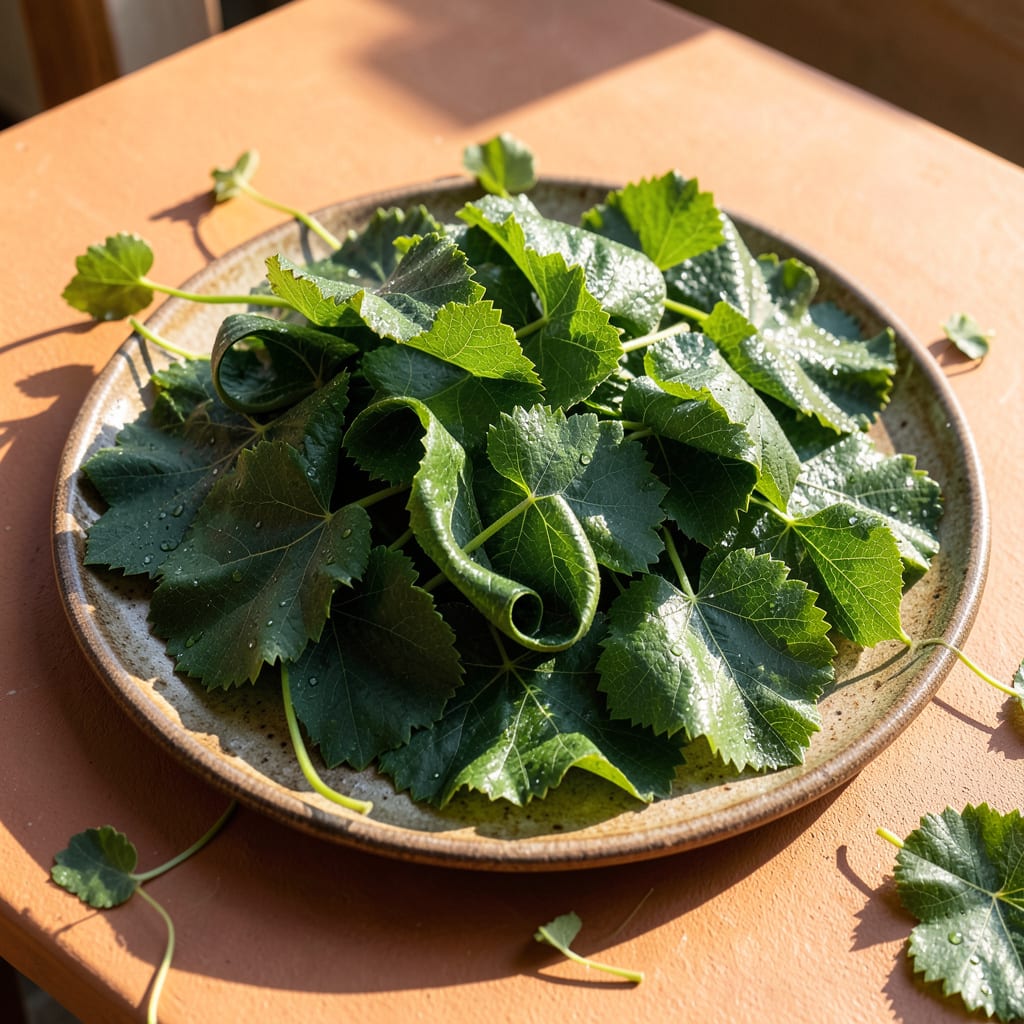
First time I saw my grape vine leaves curling, I panicked. Turns out, it’s usually either hungry roots or uninvited guests causing the trouble.
Most often, it’s a nutrient deficiency—usually nitrogen or potassium—or pests like aphids sucking the life out of new growth. Environmental stress, like too much water or not enough sun, can also twist those leaves into strange shapes.
Here’s the thing—you can fix this. A soil test and a closer look at the undersides of leaves will tell you exactly what’s going on. Then it’s just a matter of adjusting your care routine.
With the right approach, those leaves will unfurl and your vines will get back to producing healthy, productive growth. Let’s figure out which solution fits your situation.
Grape vine leaves curling is often a sign of underlying stress, and several factors can trigger this reaction. Understanding the root causes helps you address the problem effectively.
A lack of essential nutrients, particularly magnesium, potassium, or nitrogen, can lead to leaf curling. Magnesium deficiency often causes interveinal chlorosis (yellowing between veins) alongside curling, while potassium deficiency may result in scorched leaf edges. Nitrogen deficiency typically leads to uniform yellowing and stunted growth. A soil test can confirm which nutrients are lacking, allowing for targeted fertilization.
Pests like grape berry moths, aphids, or spider mites can stress the vine, causing leaves to curl as a defensive response. Aphids, for instance, suck sap from the leaves, leading to distorted growth. Look for visible pests, sticky residue (honeydew), or fine webbing under the leaves. Early intervention with organic insecticides or beneficial insects like ladybugs can mitigate damage.
Extreme temperatures, drought, or excessive moisture can also cause leaf curling. High heat or cold snaps disrupt cellular function, while waterlogged roots suffocate the vine, limiting nutrient uptake. Ensuring proper drainage and consistent watering (without overwatering) helps maintain optimal growing conditions.
Diseases such as powdery mildew or downy mildew can lead to curled, discolored leaves. These pathogens thrive in humid conditions and can spread rapidly if left unchecked. Fungicides and improved air circulation around the vines are key to prevention and treatment.
Addressing curling leaves on your grape vines starts with identifying the root cause. Here’s how to tackle the most common issues and prevent future problems.
If the issue is a lack of essential nutrients:
💡 Prevention: Fertilize vines in early spring and monitor soil health annually.
For pests like aphids, mites, or leafhoppers:
💡 Prevention: Inspect vines weekly for early signs of pests and maintain good airflow with proper pruning.
Overwatering or drought can both cause curling:
💡 Prevention: Water vines deeply 1–2 times per week, adjusting for rainfall, and use drip irrigation to avoid wetting the leaves.
Extreme heat or cold can stress vines:
💡 Prevention: Plant vines in a sheltered location and monitor weather forecasts to act proactively.
Check the undersides of leaves for tiny insects or sticky residue. Aphids and mites often leave visible webbing or honeydew. Early detection means easier treatment with neem oil or insecticidal soap.
Use a home soil test kit for fast results in 10-15 minutes. For detailed analysis, send a sample to your local agricultural extension office. This reveals exact deficiencies in magnesium, nitrogen, or potassium.
Yes! Both extremes cause stress. Overwatering suffocates roots, while drought starves them. Stick your finger 2 inches into soil—if it’s soggy or bone-dry, adjust your watering schedule immediately.
New growth should return to normal within 1-2 weeks of correcting the problem. Severely damaged leaves may not fully recover, but the vine will produce healthy new foliage.
