
Beautiful Plants For Your Interior
Beautiful Plants For Your Interior
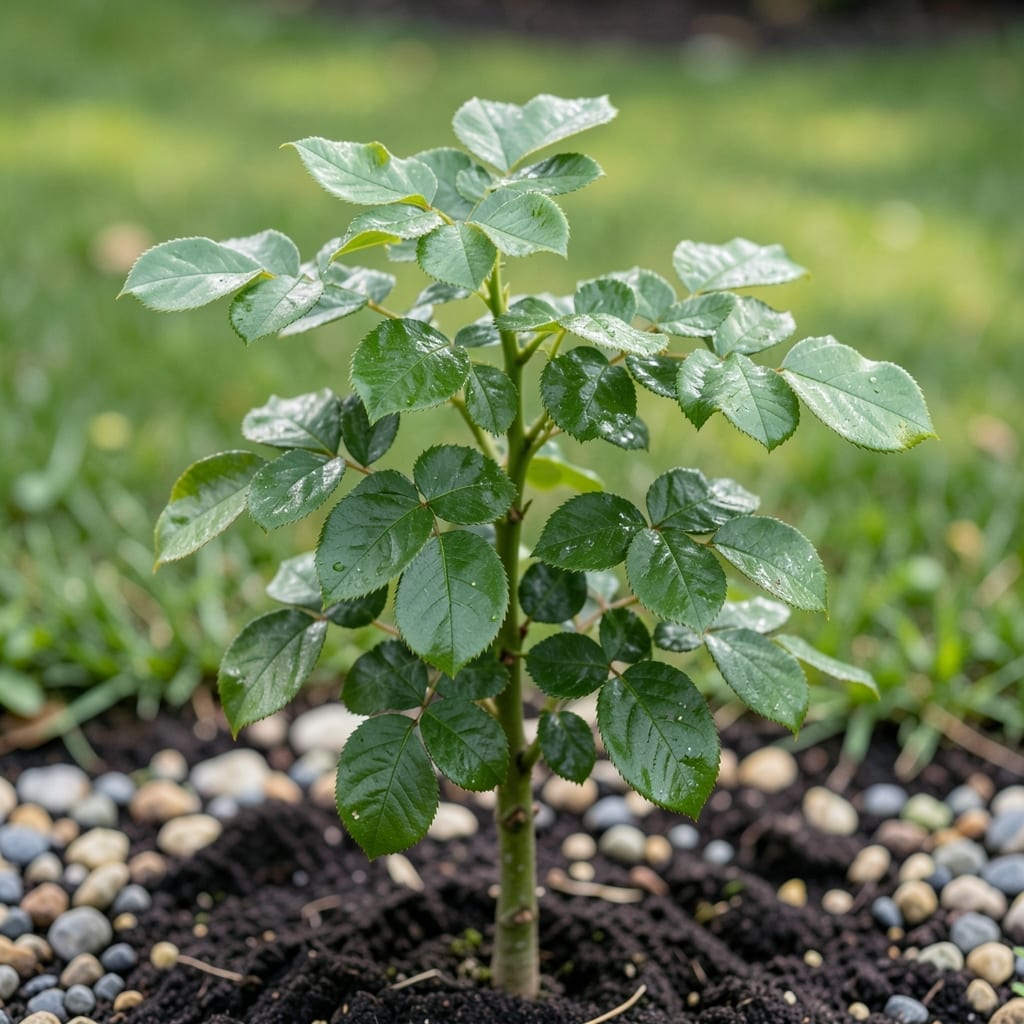
Rose leaves tell you everything you need to know about your plant’s health. I learned this the hard way after losing two bushes to black spot before I started paying attention to the early warning signs.
Catching issues early means your roses stay vibrant and productive. The right care routine prevents most problems before they start, and natural remedies work surprisingly well for common leaf issues.
📚 In This Guide
These simple steps ensure your plants stay vigorous while you unlock their natural benefits.
Choose leaves from mature, disease-free plants that show deep green color and no spots or yellowing. I always pick in the morning after dew has dried but before the sun gets too hot. This is when the oils are most concentrated.
Focus on the middle section of the plant—young leaves at the tips aren’t strong enough, and older leaves near the base may have accumulated dust or pests. Use clean hands or sharp shears to avoid tearing the stems.
Snip leaves with 1-2 inches of stem attached using clean pruners. This small section of stem helps preserve the leaf’s natural oils during drying. Never remove more than one-third of the foliage from a single plant at once.
If you’re harvesting multiple plants, work quickly and place leaves in a single layer on a clean tray. Avoid piling them up—this causes moisture buildup that leads to mold. I’ve ruined batches by skipping this step.
Lay leaves in a single layer on a screen or tray lined with paper towels. Place in a warm, dark, well-ventilated area. Stir or flip them daily to ensure even drying. They’ll be ready in 1-2 weeks when they crumble easily between your fingers.
Don’t rush the process with heat—high temperatures destroy the delicate compounds that make rose leaves valuable. A slow, natural dry preserves both color and therapeutic properties.
Once completely dry, store leaves in an airtight glass jar away from light and moisture. They’ll keep their potency for up to a year. For teas, use 1 tablespoon of crushed leaves per cup of hot water and steep for 5-7 minutes.
For topical applications, grind dried leaves into a fine powder and mix with a carrier oil. The fragrance will be strongest when you’ve harvested at the right time and handled the leaves with care throughout the process.
Here’s how to get the most out of your harvest while keeping plants healthy.
Harvesting Timing: I always stick to morning harvesting after the dew dries but before the sun gets intense, as mentioned in Step 1. This is when the essential oils are most concentrated in the leaves. Skipping this window can result in less potent leaves.
Drying Process: In Step 3, that 1-2 week drying time is non-negotiable for preserving potency. I learned the hard way that rushing with heat destroys the delicate compounds. A warm, dark, well-ventilated space with daily flipping works best.
Storage Wisdom: For Step 4, store your dried leaves in an airtight glass jar away from light and moisture. This maintains their potency for up to a year, as specified. I’ve found that clear jars exposed to sunlight lose their color and effectiveness much faster.
Healthy rose leaves are deep green, firm, and free of spots or discoloration. They should have smooth edges and a glossy texture. Yellowing, black spots, or curled edges often signal pests, disease, or nutrient deficiencies.
Dry fresh, pesticide-free leaves in a cool, dark place for teas or infusions. Crush them for poultices to soothe skin irritations. For aromatic benefits, steep in hot water for a calming herbal tea.
Yes! Rose leaves have anti-inflammatory properties. Crush dried leaves into a paste with water or honey and apply to affected areas. Always do a patch test first to check for sensitivity.
Yellow leaves often indicate overwatering, poor drainage, or nutrient deficiencies (like nitrogen or iron). Check soil moisture and fertilizer levels. Pests like aphids or diseases like black spot can also cause yellowing.
Dried rose petals or commercially available rose leaf tea work well. You can also use rose water or rose oil for similar therapeutic benefits in skincare or aromatherapy.