
Beautiful Plants For Your Interior
Beautiful Plants For Your Interior
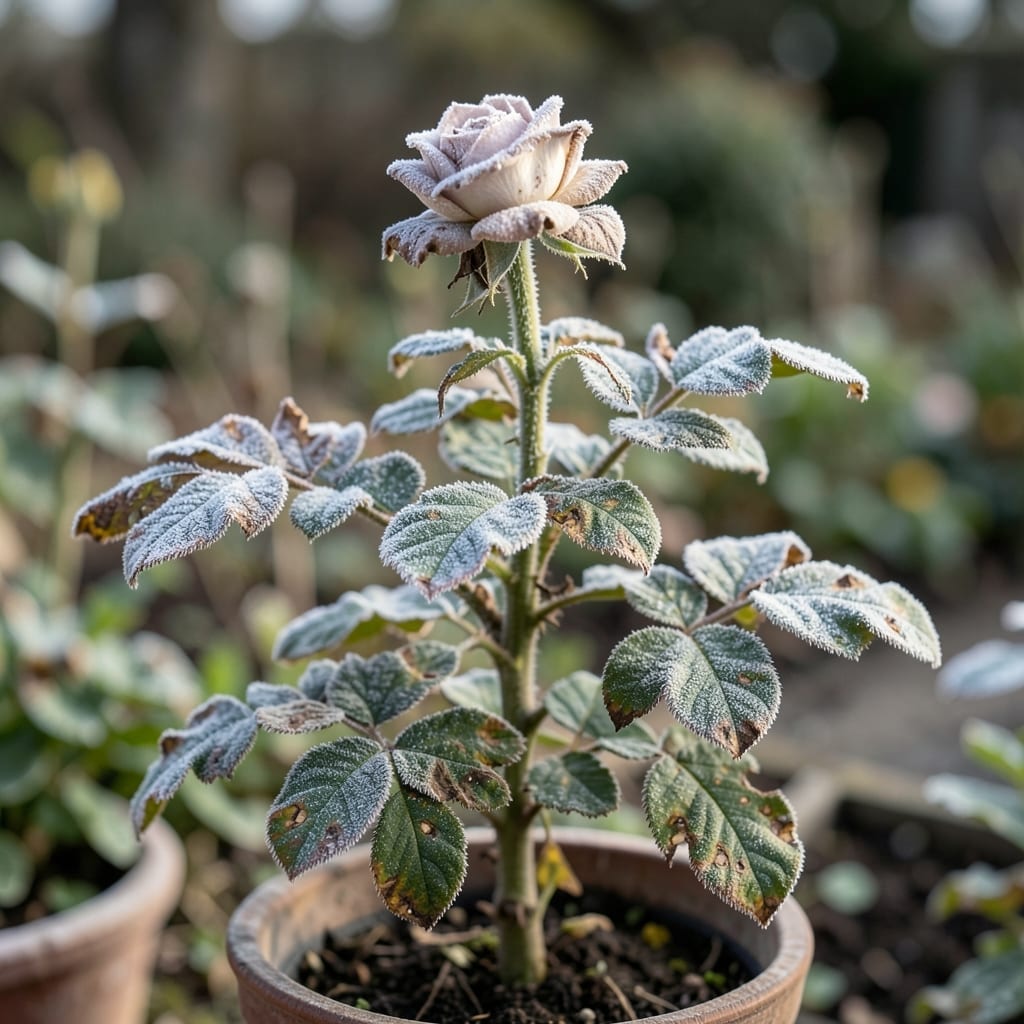
That first cold snap hit my roses hard last spring. Blackened edges, wilted tips—classic signs of frost damage that can stall growth if ignored.
Here’s the thing—most plants recover with the right care. Trim the worst leaves, protect new growth, and they’ll bounce back stronger for the next bloom cycle.
Short list of basics to nurse your roses back after a cold snap.
| Ingredient | Amount | Notes |
|---|---|---|
| Pruning Shears ✂️ | 1 piece | Sharp sterile blades |
| Rose Fertilizer 🧪 | 1 lb | Balanced 10-10-10 formula |
| Organic Mulch 🪵 | 2 gallons | Shredded bark or straw |
| Frost Cloth 📋 | 1 piece | Breathable fabric cover |
| Watering Can 💧 | 1 piece | With gentle shower head |
| Garden Gloves 🪴 | 1 piece | Durable thorn-resistant |
| Burlap Sacks 🌾 | 2 pieces | For temporary protection |
[recipe_ingredient_scaler]
Quality pruning shears make a difference here. Felco or Fiskars brands cut cleanly without crushing stems. Frost cloth is sold at Home Depot or garden centers—look for breathable fabric, not plastic. Mulch should be aged (the good stuff, not the bagged-up dirt from a sale).
No frost cloth? Old bedsheets or burlap work in a pinch—just drape loosely and remove during the day. Mulch can be straw or wood chips (or whatever drainage gravel you’ve got). If liquid fertilizer feels overkill, slow-release granules handle the same job.
Store frost cloth dry and folded. Shears stay sharp with occasional oil. Leftover mulch keeps in a sealed bin for next season (worth the extra dollar).
Here’s the method I use to nurse roses back to health after a cold snap.
Put on your garden gloves and inspect the plant carefully. Frost-damaged leaves will appear blackened, wilted, or mushy. I grab my pruning shears and make clean cuts at a 45-degree angle, removing only the damaged portions while leaving healthy growth intact.
This prevents the spread of decay and allows the rose to focus energy on new growth. Don’t remove more than one-third of the plant at once—you’ll know you’re overdoing it if the bush looks bare and stressed.
Use the watering can to give the plant a deep drink at the base, avoiding the remaining leaves. Roses need consistent moisture to recover, so I check that the soil is damp 1-2 inches down before and after watering.
Apply the 1 lb rose fertilizer around the drip line, following package instructions for amount. The balanced formula gives the plant a nutrient boost without overwhelming it. You’ll see new growth within 2-3 weeks if the roots are still healthy.
Spread the 2 gallons organic mulch evenly around the base, maintaining a 2-inch layer while keeping it 3 inches away from the stem to prevent rot. Shredded bark or straw works best for insulation and moisture retention.
This protects the root system from temperature fluctuations and conserves moisture. The mulch should look like a neat donut around the plant—not piled against the canes.
Drape the frost cloth over the plant when another cold night is forecasted, securing it loosely to allow air circulation. For taller bushes, I use the 2 pieces burlap sacks as an extra layer, wrapping them around the most vulnerable sides.
Remove all coverings during the day to allow sunlight and airflow. You’ll know it’s working when morning inspections show no new damage on exposed leaves.
Extreme frost causes cell damage, turning rose leaves black or crispy as moisture freezes and expands, rupturing tissues. This often happens after a sudden temperature drop below 28°F (-2°C).
Quick Fix: Prune damaged leaves with clean shears to prevent disease spread. Remove debris around the plant to reduce fungal risks.
Frost can disrupt water uptake, leaving leaves wilted even if the soil is moist. Roots may also suffer cold shock, slowing nutrient absorption.
Quick Fix: Water deeply at midday to thaw the soil and revive roots. Avoid evening watering to prevent refreezing.
Mild frost damage may cause yellowing or brown spots as cells partially die. This is common in early frosts when temperatures hover just below freezing.
Quick Fix: Apply a balanced fertilizer to support recovery, but avoid high-nitrogen options, which can stress the plant further.
Severe or repeated frost can damage buds and slow growth. The plant may focus on survival, delaying flowering until conditions improve.
Quick Fix: Protect with frost cloth or mulch during cold snaps. Prune dead wood in early spring to encourage new, healthy growth.