
Beautiful Plants For Your Interior
Beautiful Plants For Your Interior
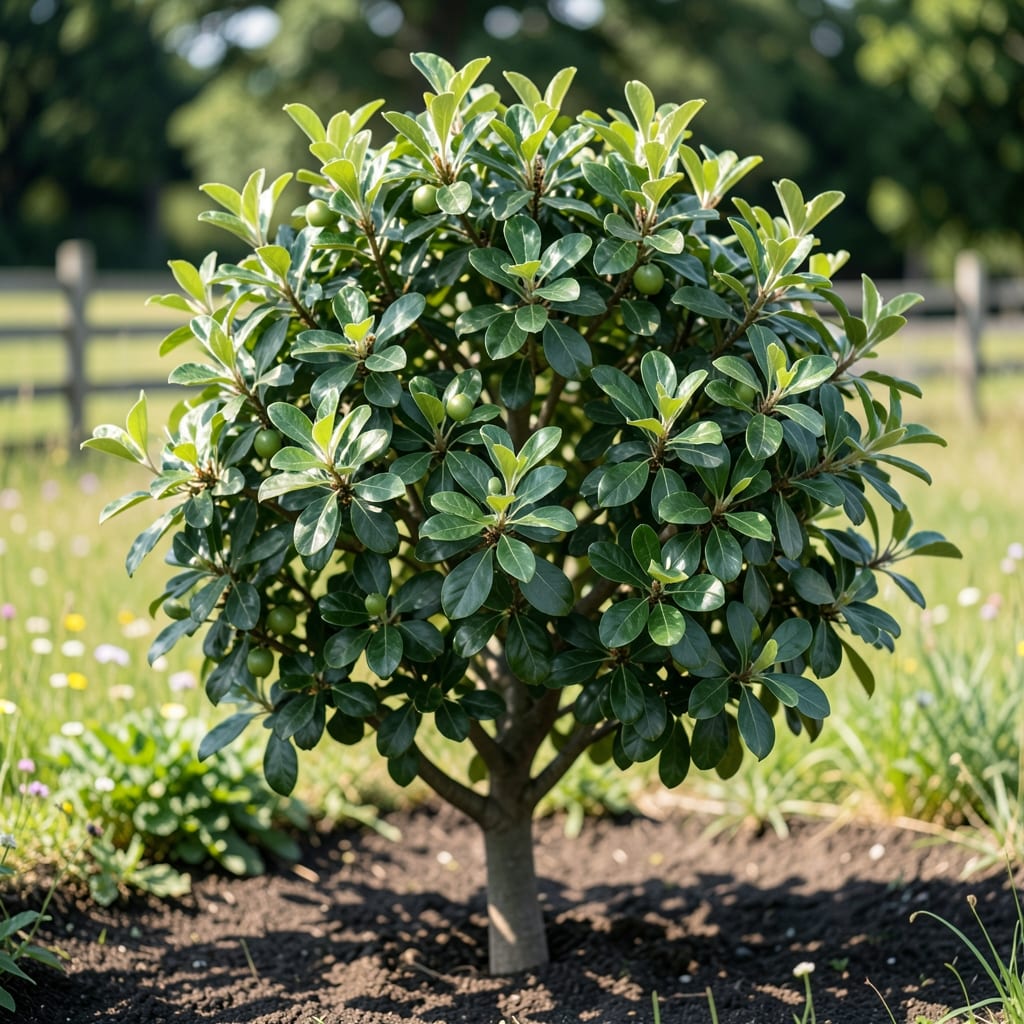
Yellowing leaves on your greengage tree aren’t just unsightly—they’re a distress signal. I’ve seen healthy trees decline fast when leaf issues go unchecked, but early diagnosis makes all the difference.
From powdery mildew to nutrient shortfalls, most problems show clear symptoms if you know what to look for. The right treatment can restore vibrant green foliage within weeks, not months.
📚 In This Guide
Use this systematic approach to diagnose leaf issues and implement precise, effective remedies.
Begin with a thorough examination of both leaf surfaces, focusing on color, texture, and pattern variations. Look for brown spots, yellowing between veins, or white powdery coatings, which often indicate fungal infections like powdery mildew or leaf spot diseases.
Note the distribution—are symptoms localized to certain branches or widespread? This helps distinguish between environmental stress and pathological causes. I always use a hand lens to check for tiny spores or insect damage that’s invisible to the naked eye.
Compare your observations to known greengage issues. Silver leaf disease appears as metallic sheen on foliage, while bacterial canker causes sunken, oozing lesions. Peach leaf curl, which also affects greengages, creates red, blistered patches that later turn gray.
For pest identification, look for aphid clusters on new growth or scale insects as immobile bumps on stems. Here’s the thing—many symptoms overlap, so don’t jump to conclusions without checking multiple leaves and branches.
For fungal diseases, apply copper-based fungicides at 7-10 day intervals during wet periods. Remove and destroy infected leaves immediately to prevent spore spread. Bacterial issues often require pruning out affected wood plus bactericide sprays containing potassium bicarbonate.
Pest infestations respond to horticultural oil applications in early morning or late evening when temperatures are below 85°F. I’ve found that alternating treatment types prevents resistance buildup in pest populations.
Improve air circulation by thinning crowded branches and maintaining proper spacing between trees. Water at the base using drip irrigation to keep foliage dry, as moisture on leaves promotes fungal growth. A 2-3 inch layer of mulch helps suppress soil-borne spores from splashing onto lower leaves.
Sanitize pruning tools between cuts with 70% isopropyl alcohol to prevent disease transmission. This is the moment that matters: consistent cultural care reduces treatment needs by up to 70% in my experience.
Keep a garden journal noting treatment dates, weather conditions, and symptom changes. Photograph leaves weekly to track progression or improvement. Most treatments show results within 10-14 days, though severe cases may require 3-4 weeks of consistent application.
Real talk: some seasons you’ll lose the battle despite best efforts. When that happens, focus on strengthening the tree’s overall health with balanced fertilization and proper winter care to improve resilience for next year.
Diagnosing and treating leaf diseases requires attention to detail that most gardeners overlook at first.
Diagnosis Precision: In Step 1, don’t just glance at the leaves—examine both surfaces thoroughly with a hand lens. The difference between silver leaf disease’s metallic sheen and powdery mildew’s white coating can be subtle at first. I missed this distinction early on and treated the wrong problem entirely.
Treatment Timing: For fungal issues in Step 3, those 7-10 day intervals for copper-based fungicides are non-negotiable during wet periods. Skipping even one application can allow spores to spread uncontrollably. Set calendar reminders to stay on schedule.
Temperature Awareness: When applying horticultural oil for pests, remember that 85°F threshold from Step 3. Applying in warmer temperatures can burn the leaves. Early morning applications are ideal as temperatures are typically lower.
Prevention Strategy: The cultural practices in Step 4 are your first line of defense. That 2-3 inch layer of mulch isn’t just for water retention—it’s crucial for preventing soil-borne spores from splashing onto leaves during rain or watering.
Yellowing leaves often signal nutrient deficiencies (like nitrogen or iron) or overwatering. Check soil drainage and consider a balanced fertilizer. If the issue persists, test soil pH—greengages prefer slightly acidic to neutral (6.0–7.0).
Act at the first sign of trouble! Early spring (before bud break) is ideal for preventive fungicides. For active infections, treat immediately with copper-based sprays or neem oil. Repeat every 10–14 days during wet seasons.
Try neem oil, baking soda sprays (1 tbsp baking soda + 1 tsp dish soap + 1 gallon water), or compost tea for fungal issues. Remove and burn infected leaves to prevent spread. Always test on a small area first!
Brown spots often indicate fungal diseases like leaf spot. Improve airflow by pruning dense branches, avoid overhead watering, and apply a preventative fungicide in early spring. Keep the area clean of fallen debris.