
Beautiful Plants For Your Interior
Beautiful Plants For Your Interior
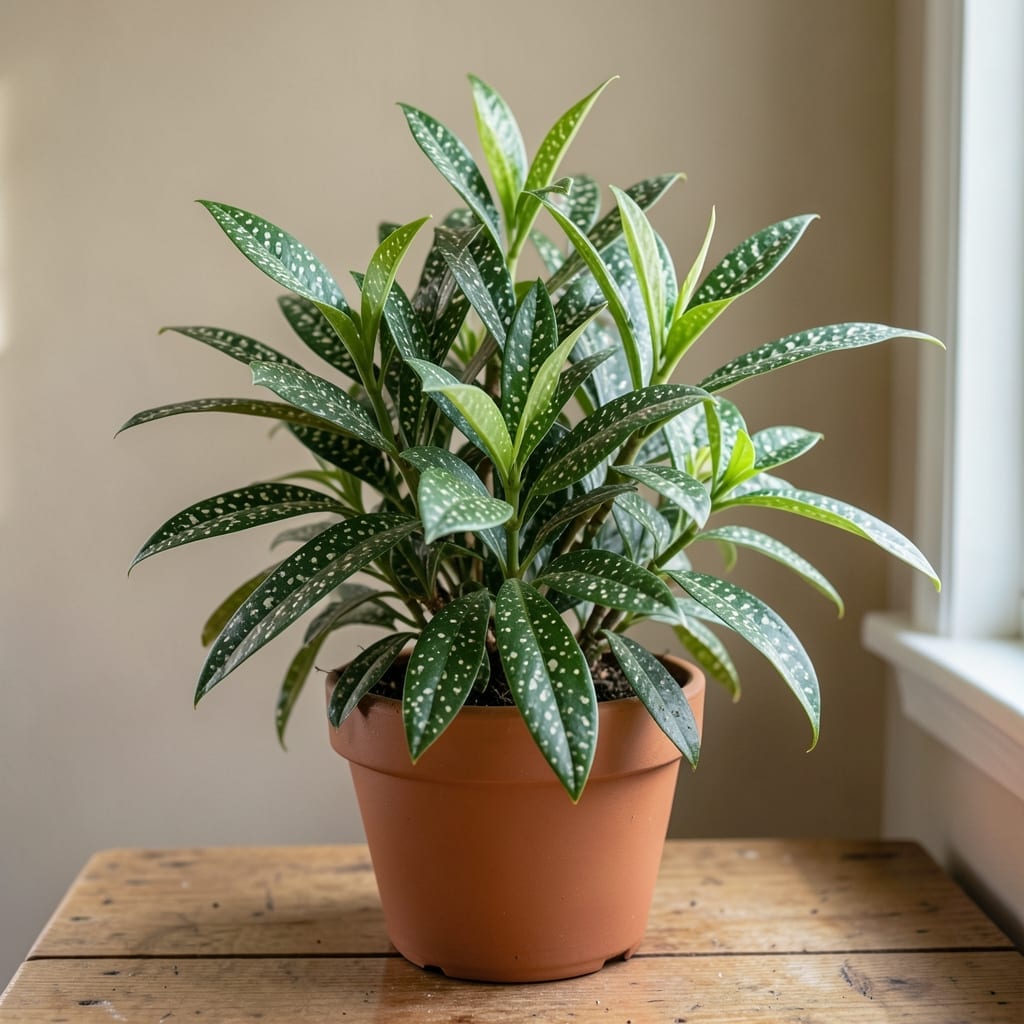
Those white spots on your green plant could be natural variegation or a sign of trouble. I’ve seen both in my own garden, and the difference matters for your plant’s health.
Natural patterns often appear as soft, symmetrical markings, while pest or disease spots look random and spread quickly. A close look reveals the truth.
If it’s variegation, enjoy the unique beauty. If not, we’ll tackle the issue with simple fixes to restore your plant’s vibrant green.
Either way, you’ll walk away knowing exactly what you’re dealing with and how to keep your foliage thriving.
White spots on green plants often signal an underlying issue, whether natural or environmental. Here’s a breakdown of the most common causes:
Some plants, like Variegated Monstera or Calathea orbifolia, naturally develop white spots due to genetic mutations. These mutations affect chlorophyll production in certain leaf cells, creating stunning white or cream patterns. This is harmless and even prized in ornamental plants.
Powdery mildew and leaf spot diseases often manifest as white, powdery, or circular spots. These fungi thrive in humid, poorly ventilated conditions. Overhead watering or crowded foliage can worsen the spread. Treat with fungicides and improve airflow to prevent recurrence.
Mealybugs, spider mites, and scale insects leave behind white, cottony, or speckled residues. Mealybugs, in particular, cluster in leaf axils and undersides, secreting a waxy white substance. Inspect leaves closely and treat with neem oil or insecticidal soap.
Hard water or excessive fertilizer use can cause calcium or magnesium buildup, leading to white, crusty spots. This is common in tap-watered houseplants. Switch to distilled or rainwater, and flush the soil periodically to remove excess salts.
Direct, intense sunlight can scorch leaves, leaving bleached or white patches. This often occurs in plants abruptly moved from low to high light. Acclimate plants gradually and provide shade during peak afternoon hours.
If your green plant has developed white spots, don’t panic—most causes are treatable. Below are practical fixes for common issues, along with prevention tips to keep your plant thriving.
Fungal or bacterial leaf spots often appear as white, yellow, or brown patches. Trim affected leaves with sterilized scissors to prevent spreading. Apply a copper-based fungicide or neem oil spray weekly until the issue resolves. Prevention tip: 💡 Avoid overhead watering and ensure good air circulation around the plant.
Mealybugs, spider mites, or scale insects can leave white, cottony spots or webbing. Wipe leaves with a damp cloth or cotton swab dipped in rubbing alcohol to remove pests. For severe cases, use insecticidal soap or neem oil. Prevention tip: ✨ Inspect new plants before bringing them home and quarantine if needed.
White or yellow spots can result from too much direct sunlight. Move your plant to a spot with bright, indirect light. If the damage is mild, the plant will often recover on its own. Prevention tip: 🎯 Gradually acclimate plants to brighter light to avoid shock.
Hard water can leave white mineral spots on leaves. Gently wipe leaves with a damp cloth and distilled or filtered water. Prevention tip: 🌡️ Use room-temperature rainwater or distilled water for watering to avoid buildup.
If the white spots are part of the plant’s natural variegation (like in Epipremnum aureum or Spathiphyllum), no action is needed! Prevention tip: 🔥 Research your plant’s natural patterns to avoid unnecessary treatments.
Not always. Some plants naturally develop white patterns as part of their variegation. This is harmless and often sought after for its beauty.
Natural variegation appears symmetrical and consistent. Pest or disease spots are random, spread quickly, and often feel crusty or sticky.
Wipe leaves with a cotton swab dipped in rubbing alcohol to remove visible pests. Follow with neem oil or insecticidal soap for thorough treatment.
Yes. Direct, intense sunlight can scorch leaves, creating bleached patches. Move the plant to indirect light and acclimate gradually.