
Beautiful Plants For Your Interior
Beautiful Plants For Your Interior
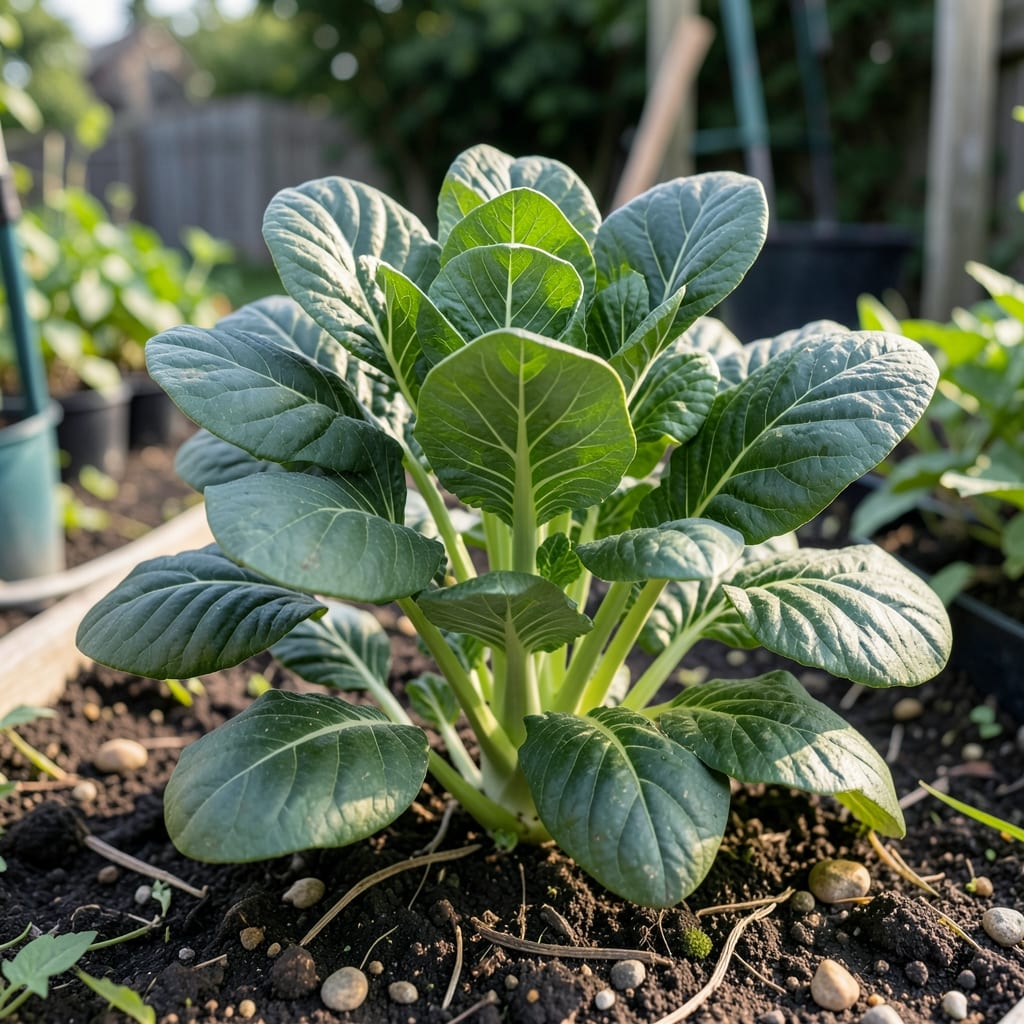
Green mustard leaves deliver bold flavor and fast growth with minimal effort. I planted my first patch on a whim and had harvestable greens within 30 days.
These hardy plants thrive in cool weather, tolerate partial shade, and bounce back after cutting. You’ll get multiple harvests from a single planting, and the peppery kick makes them a garden favorite.
📚 In This Guide
Here’s the method I use every season to grow vibrant, peppery greens with minimal effort.
Choose a spot with full sun to partial shade—mustard greens tolerate shade better than many leafy vegetables. I always work the soil to a depth of 8-10 inches, breaking up clumps and removing rocks. This ensures roots can spread easily and access nutrients without obstruction.
Mix in a 2-3 inch layer of compost to improve fertility and drainage. Mustard greens prefer soil that’s rich but well-draining. Test your soil by squeezing a handful—it should hold together briefly, then crumble when you open your hand.
Plant seeds ¼ to ½ inch deep and 2 inches apart in rows spaced 12-18 inches apart. Mustard seeds are tiny, so I use the corner of a ruler or a small stick to create shallow furrows. This keeps spacing consistent and prevents overcrowding as plants mature.
Cover seeds lightly with soil and press down gently to ensure good soil-to-seed contact. Water immediately after planting with a gentle spray to avoid displacing seeds. You’ll see germination in 5-10 days when soil temperature stays above 40°F.
Keep the soil consistently moist but not waterlogged—mustard greens need 1-1.5 inches of water per week. I water at the base of plants in the morning to allow foliage to dry before evening. This prevents fungal diseases that thrive in damp conditions.
Once seedlings reach 2-3 inches tall, thin them to 6 inches apart. Pull the weakest seedlings to give the strongest ones room to grow. It feels counterintuitive to remove healthy plants, but proper spacing prevents competition for light and nutrients.
Mustard greens grow quickly in cool weather (ideal temperature is 60-70°F). I apply a balanced fertilizer when plants are about 4 inches tall to encourage leafy growth. Watch for yellowing leaves, which often signal a need for more nitrogen.
Begin harvesting outer leaves when plants reach 6-8 inches tall, about 30-40 days after sowing. Use clean scissors to snip leaves about 1 inch above the soil. Regular harvesting encourages bushier growth and extends your harvest window.
Check plants daily for pests like aphids or flea beetles, which love mustard greens. I spray with water to dislodge aphids and use row covers to protect against flea beetles. Catching problems early prevents them from spreading to the entire crop.
Harvest the entire plant before bolting occurs (when it sends up flower stalks), as leaves become bitter after this point. In my experience, mustard greens bolt when temperatures consistently exceed 75°F, so plan accordingly for your climate.
These practical pointers will help you avoid the most common pitfalls when growing these greens.
Soil Preparation: In Step 1, when working the soil to that 8-10 inch depth, take your time breaking up clumps. I learned the hard way that compacted soil can stunt root growth. Also, that 2-3 inch compost layer is non-negotiable—it provides the nutrients mustard greens crave.
Planting Depth Matters: For Step 2, stick to the ¼ to ½ inch depth when sowing seeds. Planting too deep delays germination, while shallow planting can expose seeds to drying out. And those 12-18 inch row spacings? They’re perfect for air circulation, which prevents fungal issues.
Watering Wisdom: The 1-1.5 inches of water per week mentioned in Step 3 might seem like a lot, but mustard greens are thirsty plants. Water in the morning as suggested—it’s the best way to prevent damping off. And when thinning to 6 inches apart, don’t hesitate. Crowded plants are weak plants.
Temperature Timing: Step 4’s ideal 60-70°F range is key. If your climate heats up beyond 75°F, as noted in Step 5, harvest quickly before bolting makes leaves bitter. I once lost a whole crop by waiting too long in a heatwave.
Yes! Use a deep pot (8-12 inches) with well-draining soil and full sun. Keep the soil moist, and harvest young leaves for the best flavor.
They typically mature in 30-40 days. For baby greens, you can start harvesting as early as 20-25 days after sowing.
Watch for aphids, flea beetles, and powdery mildew. Use row covers or organic sprays, and ensure good airflow to prevent fungal issues.
Absolutely! Their peppery flavor works well in salads, stir-fries, or soups. Adjust seasoning to taste, as mustard greens are slightly stronger.
Yellowing may signal overwatering, nutrient deficiency, or poor drainage. Check soil moisture and fertility, and ensure the container has drainage holes.