
Beautiful Plants For Your Interior
Beautiful Plants For Your Interior
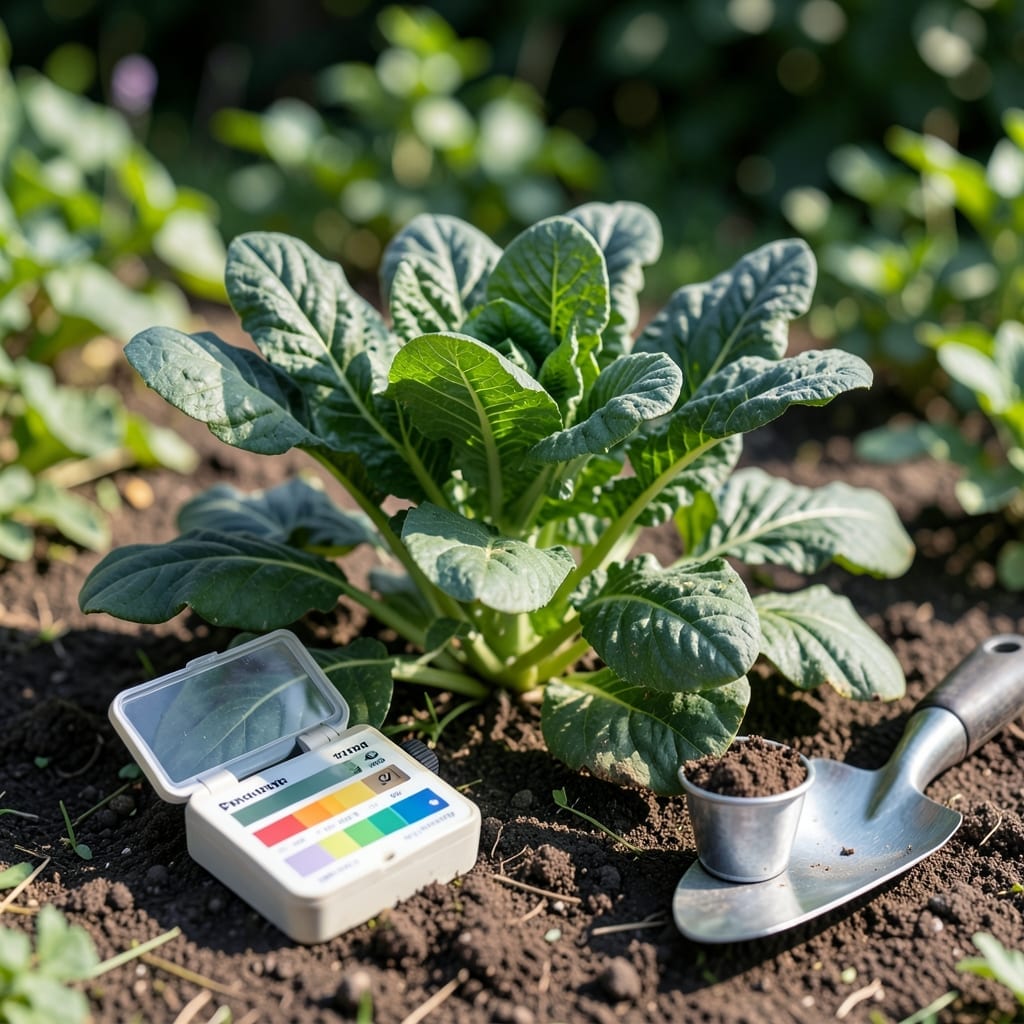
Growing vibrant 🥬 Mustard Greens starts with understanding their soil needs, and pH 5.5 hits the sweet spot for this hardy leafy green.
Whether you’re a seasoned gardener or just starting, nailing the right acidity level can make the difference between a thriving crop and a struggling patch.
I’ve seen firsthand how the wrong pH can stunt growth or turn leaves yellow. The good news? Adjusting your soil is easier than you think.
Let me walk you through why 5.5 is the magic number and how to create the perfect environment for healthy, abundant Mustard Greens.
I’ve found that mustard greens perform best when the soil pH is between 5.5 and 6.5. This slightly acidic range ensures optimal nutrient uptake, particularly for nitrogen, phosphorus, and potassium, which are vital for leafy growth.
At pH 5.5, the soil creates an environment where mustard greens can access essential minerals without competition from toxic elements like aluminum, which becomes soluble in highly acidic conditions.
If the soil pH drops below 5.5, mustard greens may struggle with stunted growth or yellowing leaves, a sign of nutrient deficiencies. On the other hand, soil that’s too alkaline can lock out iron and manganese.
I always recommend testing your soil before planting. A simple pH test kit can reveal whether your soil is within the ideal range. If it’s not, amendments like lime or sulfur can help adjust it.
In my experience, organic matter like compost not only improves soil structure but also helps stabilize pH over time. This is especially useful for gardeners who want to avoid frequent adjustments.
Mustard greens at pH 5.5 also tend to have a milder flavor, which many gardeners prefer. This pH level reduces bitterness, making the greens more palatable for fresh eating.
Another benefit of maintaining pH 5.5 is improved microbial activity in the soil. Beneficial bacteria and fungi thrive in this range, breaking down organic matter and releasing nutrients for your plants.
If you notice purple veins on the leaves, it could indicate a phosphorus deficiency, often linked to incorrect pH. Adjusting the soil to 5.5-6.5 usually resolves this issue within a few weeks.
For container gardening, I suggest using a well-draining potting mix with a pH around 5.5. This ensures your mustard greens have the best start, even in limited space.
With the right pH, you’ll see faster germination and healthier plants that are more resistant to pests and diseases. It’s a small effort for a big reward in your garden 🌱
Testing your soil pH for mustard greens is simpler than you think. I recommend starting with a DIY soil test kit, available at most garden centers. These kits provide quick results and are budget-friendly for home gardeners. pH 5.5 is ideal for optimal nutrient absorption. 🌱
For more accuracy, consider sending a sample to a professional lab. They’ll give you detailed readings and amendment recommendations. Once you know your baseline, you can adjust accordingly. I’ve found this especially helpful for larger garden plots. 🌿
If your soil is too acidic below pH 5.5, garden lime is your best friend. Apply it evenly and water it in. For soil that’s too alkaline, elemental sulfur works well. Always follow package instructions for application rates. ✂️
Don’t overlook organic matter like compost. It helps buffer pH changes while boosting soil fertility. I’ve seen remarkable improvements in plant health when I combine pH adjustments with regular compost additions. The results speak for themselves. 🪴
Remember that pH adjustments take time. It can take weeks or even months for changes to fully integrate into the soil. Plan ahead, especially if you’re preparing a new garden bed for mustard greens. Patience pays off! ☀️
Finally, monitor your mustard greens for signs of stress. Yellowing leaves or stunted growth can indicate pH issues. Regular testing ensures your soil stays in the 5.5 to 6.5 sweet spot for these hardy greens. 🌱