
Beautiful Plants For Your Interior
Beautiful Plants For Your Interior
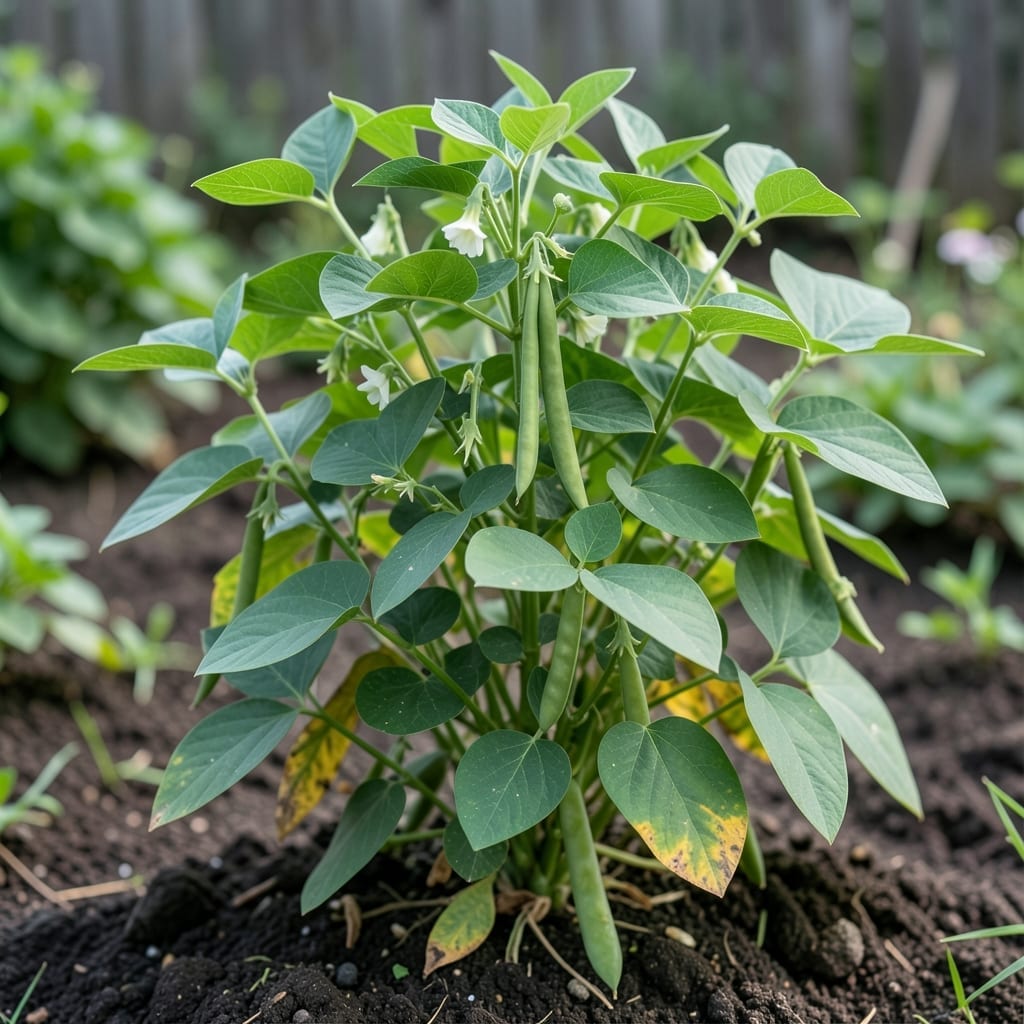
Yellow leaves on green beans aren’t just unsightly—they’re a distress signal. I’ve seen entire rows turn pale overnight from something as simple as overwatering or the wrong soil pH.
The usual suspects are nitrogen deficiency, waterlogged roots, or compacted soil choking the plant. But here’s the thing—most fixes take less than a week to show results once you pinpoint the issue.
You’ll spot the difference fast: new growth returns to that deep green, stems strengthen, and pods start forming again. The solution often involves adjusting water, amending soil, or adding a targeted nutrient boost.
Works for bush beans, pole beans, and even container-grown varieties. Let’s get to the root of the problem.
Green bean plants turning yellow often signal underlying issues that disrupt their health. Below are the most common causes, explained with actionable insights.
Yellowing leaves, or chlorosis, frequently stem from a lack of essential nutrients like nitrogen, magnesium, or iron. Nitrogen deficiency typically starts in older leaves, while magnesium deficiency appears as interveinal yellowing (yellow between green veins). Iron deficiency causes young leaves to turn pale yellow. Test your soil to confirm deficiencies and amend with organic matter or targeted fertilizers.
Excess water suffocates roots, preventing oxygen uptake and leading to yellowing. Poor drainage exacerbates this, creating waterlogged conditions that foster root rot. Check soil moisture before watering—stick your finger 1-2 inches into the soil. If it’s damp, hold off. Ensure pots have drainage holes, and amend heavy clay soils with compost to improve structure.
Extreme temperatures, either too hot or too cold, can stress green bean plants, causing leaves to yellow. Beans thrive in 60–80°F (15–27°C). Heat stress often pairs with wilting, while cold stress slows growth. Use shade cloth for heat relief or row covers to protect from sudden cold snaps.
Fungal diseases like root rot or powdery mildew, and pests such as aphids or spider mites, sap plant vitality, leading to yellowing. Inspect leaves for spots, webbing, or sticky residue (a sign of aphids). Remove affected foliage, improve air circulation, and apply neem oil or insecticidal soap for pests. For fungi, use copper-based fungicides and avoid overhead watering.
Addressing yellowing green bean plants starts with identifying the root cause. Below are targeted fixes for common issues, along with prevention tips to keep your plants thriving.
If yellowing stems from nitrogen, magnesium, or iron shortages, amend the soil:
Prevention tip: 💡 Test soil annually and rotate crops to avoid depletion.
Let the top inch of soil dry between waterings. If drainage is poor:
Prevention tip: 🌡️ Use a moisture meter to avoid guesswork.
For aphids or spider mites, spray plants with neem oil or insecticidal soap. For fungal issues (e.g., rust):
Prevention tip: ✨ Space plants 4–6 inches apart and avoid overhead watering.
Green beans need 6–8 hours of sun daily. If leaves scorch:
Prevention tip: 🎯 Plant in a sunny, sheltered spot from the start.
Older leaves yellowing first often indicates a nitrogen deficiency. The plant moves nitrogen to newer growth, leaving older leaves to fade. Add compost or a balanced fertilizer to restore nutrients.
Once leaves turn yellow, they typically won’t regain their green color. Focus on fixing the root cause to prevent new leaves from yellowing. Remove severely yellowed leaves to redirect energy.
Water when the top 1–2 inches of soil feels dry. Overwatering can cause yellowing, so ensure good drainage. In hot weather, check soil moisture daily.
Yes, aphids and spider mites can sap plant vitality, leading to yellow leaves. Check undersides of leaves for pests or webbing. Use neem oil or insecticidal soap for treatment.