
Beautiful Plants For Your Interior
Beautiful Plants For Your Interior
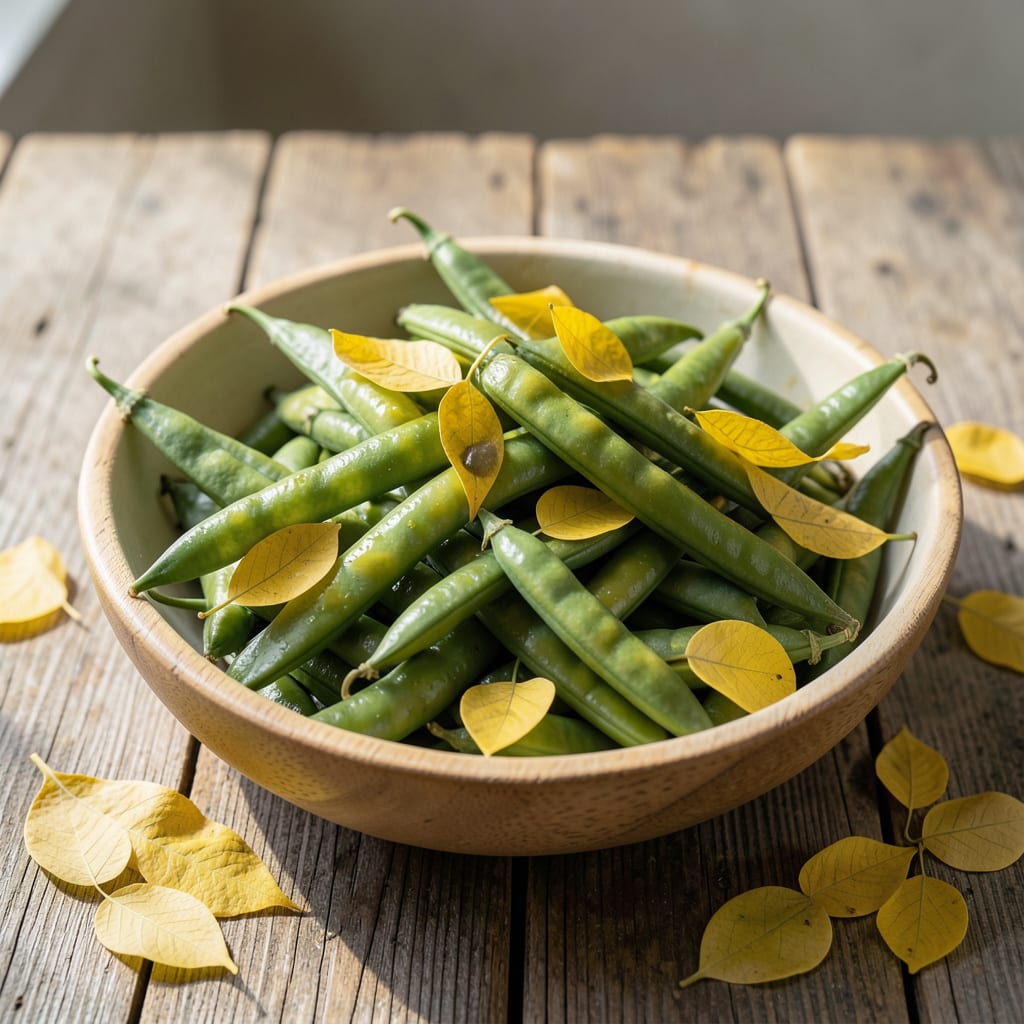
Yellow leaves on pole beans always signal a problem, but it’s fixable. I’ve saved countless vines by catching the issue early—whether it’s lack of nitrogen, overwatering, or pest damage.
The color change doesn’t mean your plants are doomed. Most cases stem from simple issues like poor soil, inconsistent moisture, or aphids sucking the life out of them.
You’ll see improvement within 1-2 weeks once you address the root cause. Healthy green leaves return fast with the right organic fixes.
Prevention is easier than cure, and I’ll show you how to keep your beans thriving from seed to harvest.
Yellow leaves on pole beans are a distress signal from your plants, often tied to environmental stress, nutrient deficiencies, or disease. Here are the most common causes, explained scientifically and with actionable insights:
Nitrogen, magnesium, or iron shortages frequently cause chlorosis (yellowing) in leaves. Nitrogen deficiency starts in older leaves as the plant redistributes it to new growth, while magnesium (central to chlorophyll) shows as interveinal yellowing. Iron deficiency, common in alkaline soils, also triggers yellowing between veins. Fix: Test soil and amend with compost, blood meal (for nitrogen), or Epsom salt (for magnesium).
Soggy roots suffocate, preventing nutrient uptake and leading to yellow, wilting leaves. Pole beans prefer consistent moisture but hate waterlogged soil. Fix: Ensure well-draining soil and water only when the top inch is dry. Raised beds can help in heavy clay soils.
Extreme heat, cold snaps, or sudden temperature swings disrupt photosynthesis, causing leaf yellowing. Beans thrive in 70–80°F; above 90°F, they may drop leaves to conserve water. Fix: Use shade cloth during heatwaves or plant in a sheltered spot.
Fungal infections like rust or powdery mildew create yellow spots or patches. Sap-sucking pests (aphids, spider mites) drain nutrients, leaving stippled yellow leaves. Fix: Remove infected leaves, improve airflow, and apply neem oil or insecticidal soap for pests.
Lower leaves may yellow as part of the plant’s lifecycle, especially after heavy fruiting. Fix: Prune yellowed leaves to redirect energy to healthy growth.
Tackling yellow leaves on your pole beans starts with identifying the root cause. Below are targeted, organic solutions for the most common issues, along with prevention tips to keep your plants thriving.
Fix: Check soil moisture 1-2 inches deep. If dry, water deeply at the base (not overhead) to encourage strong roots. For waterlogged soil, improve drainage by amending with compost or creating raised beds.
Prevention: Mulch with straw to retain moisture and water consistently—aim for 1-1.5 inches per week, adjusting for rain.
Fix: For nitrogen deficiency (uniform yellowing), side-dress with compost or apply a diluted fish emulsion. For magnesium (yellow between veins), sprinkle 1 tablespoon of Epsom salt per plant and water in. Potassium shortages (yellow edges) can be fixed with wood ash or greensand.
Prevention: Test soil before planting and amend with aged compost. Rotate crops yearly to avoid depletion.
Fix: Spray aphids or spider mites off with a strong water stream. For persistent pests, apply insecticidal soap or neem oil (mix 1 tbsp per gallon of water) at dusk. Remove heavily infested leaves by hand.
Prevention: Encourage beneficial insects like ladybugs by planting marigolds or dill nearby. Inspect leaves weekly for early signs.
Fix: Remove and destroy infected leaves immediately to halt spread. Treat with a copper-based fungicide or a DIY mix of 1 tsp baking soda + 1 quart water + a drop of dish soap. Apply every 7-10 days.
Prevention: Space plants 4-6 inches apart for airflow, water early in the day, and avoid wetting foliage. Crop rotation helps break disease cycles.
Fix: Shield plants from extreme heat with shade cloth (30-50%) during peak sun. For cold stress, use row covers at night. If soil is too compacted, loosen it gently with a fork.
Prevention: Plant pole beans in a sunny but sheltered spot. Use trellises to reduce foliage crowding and improve air circulation.
With these fixes, your pole beans should bounce back to their vibrant green in no time! 🌿
Not always. Natural aging causes lower leaves to yellow first. Disease or pests usually create patterns like spots or mottling.
With proper fixes, new growth should appear green within 7-14 days. Existing yellow leaves won’t recover but will be replaced.
Yes, too much fertilizer (especially nitrogen) burns roots, preventing nutrient uptake. Always follow package rates and test soil first.
Remove only severely damaged or diseased leaves. Minor yellowing may recover, and leaves still contribute to photosynthesis.
