
Beautiful Plants For Your Interior
Beautiful Plants For Your Interior
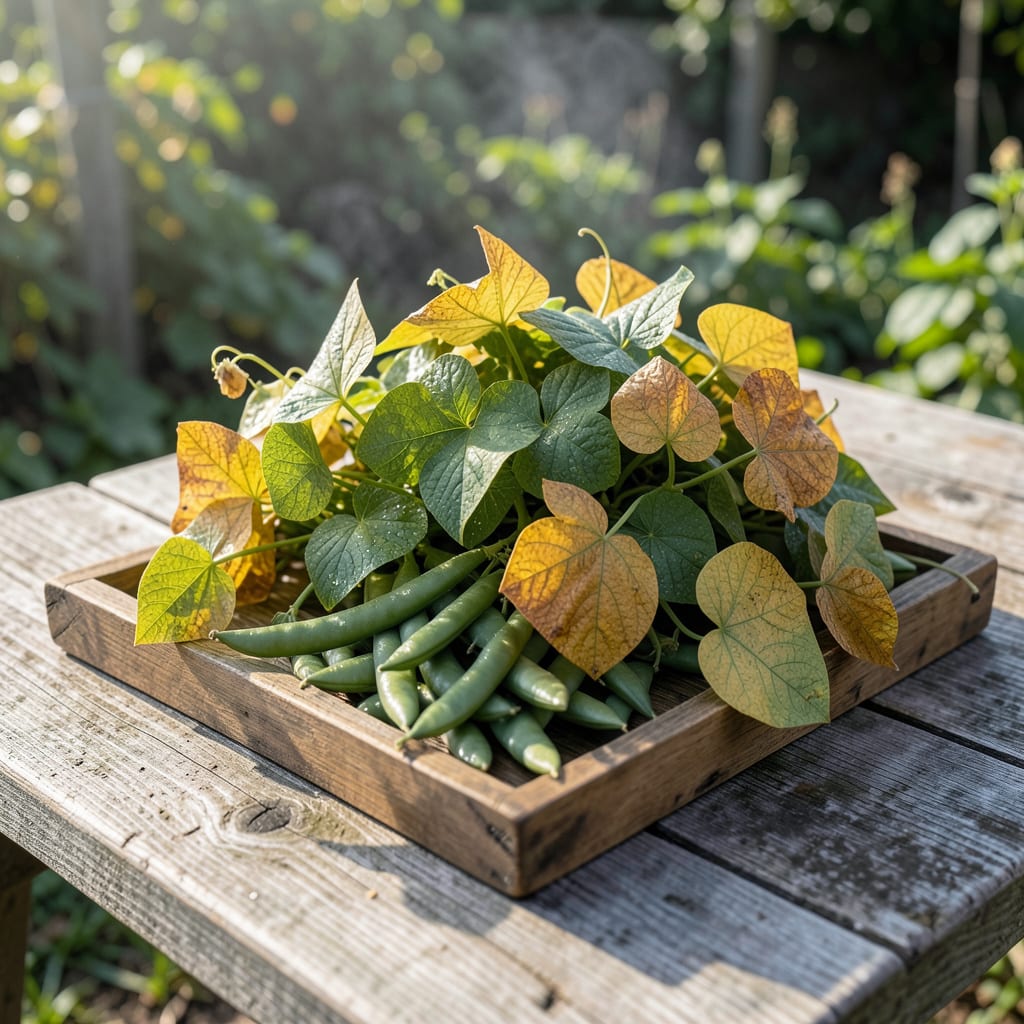
Yellow leaves on bush beans don’t mean the end of your harvest. I’ve saved many a bean plant by catching this early.
First check the soil—soggy means overwatering, dry means thirst. Then look closer for pests or yellow patterns that reveal nutrient shortages.
Most fixes take 24-48 hours to show improvement. Adjust water, feed with compost tea, or treat pests based on what you find.
Your plants can bounce back stronger. The key is acting fast and diagnosing correctly before the problem spreads.
Yellowing leaves on bush beans often signal underlying issues that disrupt chlorophyll production or nutrient flow. Below are the most common causes, explained with actionable insights.
Excess moisture suffocates roots, reducing oxygen uptake and hindering nutrient absorption. This leads to chlorosis (yellowing) as roots fail to deliver essential minerals like nitrogen and magnesium. Fix: Ensure well-draining soil and water only when the top inch is dry.
Nitrogen, magnesium, or iron deficiencies are prime culprits. Nitrogen deficiency causes uniform yellowing (older leaves first), while magnesium deficiency triggers interveinal chlorosis (yellow between veins). Iron deficiency affects younger leaves. Fix: Test soil and amend with compost or targeted fertilizers.
Extreme heat, cold snaps, or excessive sun can scorch leaves, turning them yellow. Heat stress disrupts photosynthesis, while cold slows metabolic processes. Fix: Provide shade cloth in peak heat or row covers for cold protection.
Spider mites, aphids, or fungal infections (e.g., rust or powdery mildew) drain plant resources, causing discoloration. Check leaf undersides for pests or spots. Fix: Use neem oil or insecticidal soap for pests; improve airflow to deter fungi.
Here’s how to tackle each common cause of yellowing leaves in bush beans with practical, easy-to-follow solutions.
Fix: Let the soil dry out between waterings—stick your finger an inch into the soil to check moisture. If the soil is soggy, reduce watering immediately. Ensure your pots or garden beds have drainage holes to prevent root rot. For container-grown beans, elevate pots to avoid water pooling.
Prevention: Use well-draining soil mixed with compost. Water deeply but less frequently—about 1 inch per week is ideal for most climates.
Fix: For nitrogen deficiency (yellow lower leaves), work compost or a balanced fertilizer (10-10-10) into the soil. If iron or magnesium is lacking (yellowing with green veins), apply chelated iron or Epsom salt (1 tablespoon per gallon of water) as a foliar spray.
Prevention: Test your soil annually and amend it before planting. Rotate crops to avoid depleting nutrients.
Fix: If leaves yellow due to heat stress, provide afternoon shade with a shade cloth. For cold damage, cover plants with row covers on chilly nights. Ensure beans get 6–8 hours of sunlight daily but protect them from extreme conditions.
Prevention: Plant beans in late spring when soil temps are above 60°F (15°C). Mulch around plants to regulate soil temperature.
Fix: For aphids or spider mites, blast them off with water or apply neem oil. If fungal diseases (like rust) are the culprit, remove infected leaves and treat with a copper-based fungicide.
Prevention: Keep the garden clean of debris, and avoid overhead watering to reduce fungal spores. Introduce beneficial insects like ladybugs to control pests naturally.
💡 Pro Tip: Yellow leaves won’t turn green again, so focus on correcting the issue to save the rest of the plant. Always sanitize tools between uses to prevent disease spread!
Water deeply once or twice weekly, allowing the top 1 inch of soil to dry between waterings. Overwatering causes root stress and yellowing leaves.
No, yellow leaves won’t recover. Focus on fixing the underlying issue to prevent further damage and save the rest of the plant.
Use a balanced liquid fertilizer or compost tea for quick absorption. For magnesium, try an Epsom salt spray (1 tablespoon per gallon of water).
Check leaf undersides for tiny bugs or webbing. Spider mites and aphids leave visible damage and can cause yellow spots or stippling.
