
Beautiful Plants For Your Interior
Beautiful Plants For Your Interior
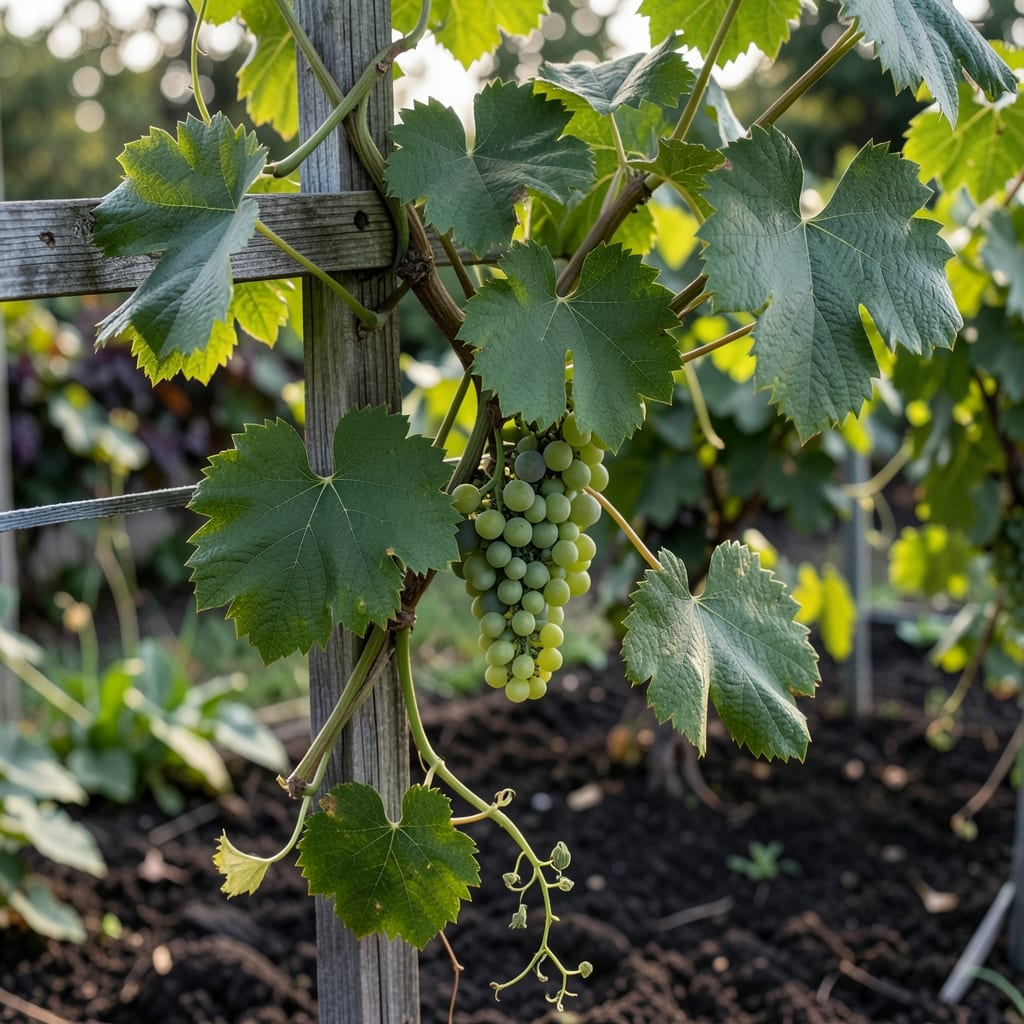
Those little bumps on your grape vine leaves aren’t just ugly—they’re a red flag. I’ve seen firsthand how quickly a small issue can spread through an entire vine if left unchecked. The good news is most causes are treatable once you know what you’re dealing with.
From phylloxera to fungal infections, the culprits vary but the symptoms often look similar at first glance. I keep a magnifying glass handy in my garden journal for exactly this reason—early detection makes all the difference.
Organic solutions exist for every scenario, whether it’s a pest problem or environmental stress. The key is matching the right treatment to the actual issue, not just the symptoms you see.
We’ll walk through how to diagnose what’s happening and the 3 most effective organic fixes to get your vines healthy again. No harsh chemicals needed.
Bumps on grape vine leaves are usually a sign of underlying issues, often tied to pests, diseases, or environmental stress. Below are the most common causes, explained with actionable insights.
Many bumps form due to tiny invaders. Phylloxera, a root and leaf-feeding aphid, creates galls or bumps as it injects saliva into leaf tissue, disrupting normal growth. Similarly, grape leafhoppers and spider mites cause stippling or blister-like raised areas by piercing cells to feed. Check the undersides of leaves for clusters of these pests or their eggs.
Fungi like powdery mildew (Erysiphe necator) can induce bump-like lesions as hyphae grow beneath the leaf surface, forming raised, white or grayish patches. High humidity and poor air circulation accelerate this. Another culprit, downy mildew (Plasmopara viticola), causes yellowish bumps on upper leaf surfaces with a downy growth underneath.
Extreme conditions can trigger physiological responses. Oedema (water edema) occurs when roots absorb water faster than leaves can transpire, causing cells to burst and form blister-like bumps. This often happens after heavy rain or overwatering in cool, humid weather. Conversely, heat stress or nutrient imbalances (e.g., excess nitrogen) may lead to abnormal growths as the vine struggles to process resources.
Some grape varieties naturally develop minor leaf deformities, including bumps, due to genetic traits. Additionally, hormonal imbalances from improper pruning or damage can cause localized overgrowth, resulting in raised areas. These are less common but worth noting if other causes are ruled out.
Tackling bumps on grape vine leaves starts with identifying the cause and applying targeted solutions. Here’s how to address the most common issues effectively.
If aphids, mites, or leafhoppers are the culprits, use neem oil or insecticidal soap to treat the leaves. Mix 1 tablespoon of neem oil with a gallon of water and spray the undersides of leaves weekly until the pests are gone. For prevention, introduce beneficial insects like ladybugs or lacewings to your garden.
Fungal diseases like powdery mildew or downy mildew thrive in damp conditions. Apply a copper-based fungicide every 7–10 days during wet weather. Improve air circulation by pruning dense foliage, and avoid overhead watering to keep leaves dry. Prevention tip: Clean up fallen leaves and debris to reduce fungal spores.
Yellow bumps or stunted growth may signal a lack of nitrogen, potassium, or magnesium. Test your soil and amend it with compost or a balanced organic fertilizer. For magnesium, add Epsom salt (1 tablespoon per gallon of water) as a foliar spray. Prevention tip: Rotate crops and enrich soil annually with organic matter.
Overwatering causes edema, leading to blister-like bumps. Let the soil dry slightly between waterings, and ensure proper drainage. Prevention tip: Use mulch to retain moisture evenly and avoid soggy soil.
💡 Pro Tip: Always inspect new plants for pests or disease before introducing them to your vineyard to avoid spreading problems!
No, they can also stem from fungal infections, environmental stress, or even genetic factors. Always inspect closely for other symptoms before jumping to conclusions.
Edema bumps are often blister-like and appear after heavy rain or overwatering. They’re usually soft and water-filled, unlike the hard galls caused by pests.
Yes, neem oil is generally safe for all grapes when diluted properly. Test on a small area first, and avoid applying in direct sunlight or extreme heat.
If pests or fungal spores are the cause, they can spread to nearby plants. Isolate affected vines and treat promptly to prevent further contamination.