
Beautiful Plants For Your Interior
Beautiful Plants For Your Interior
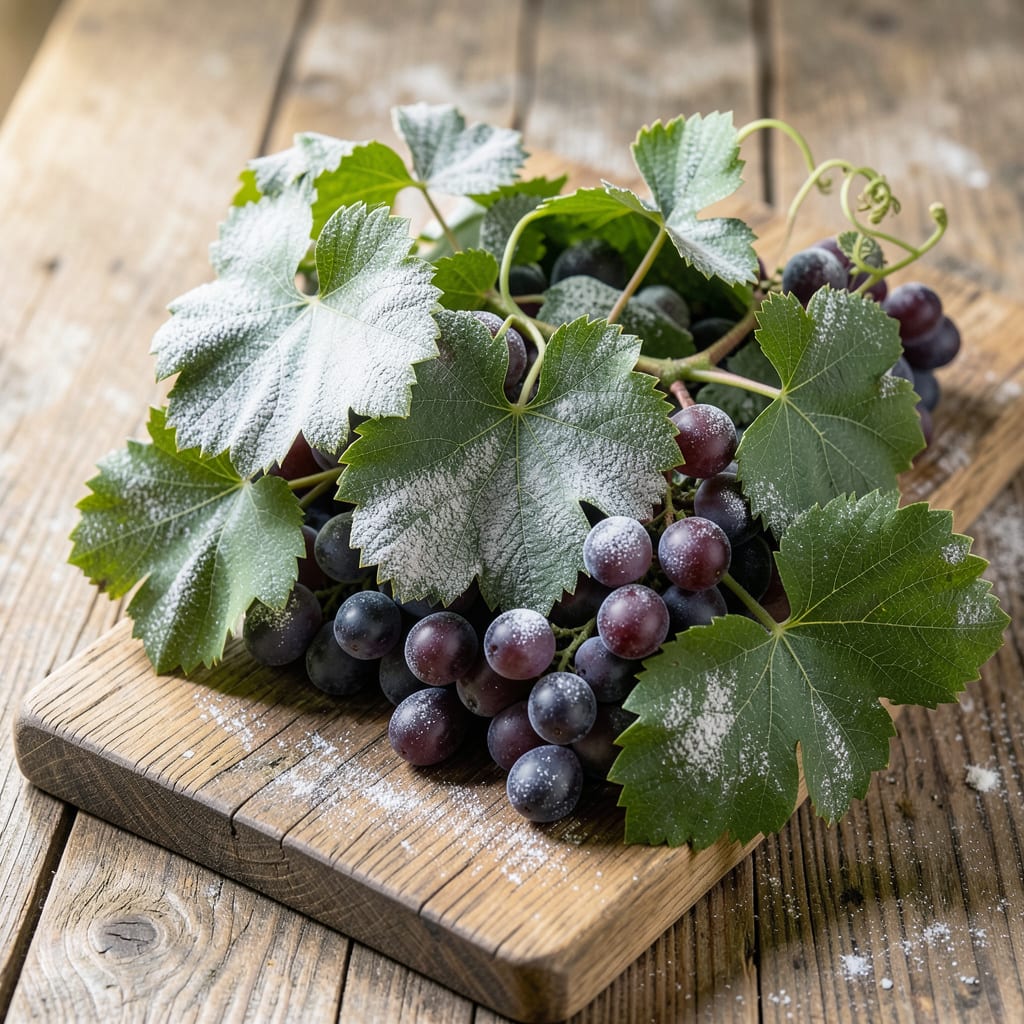
That white powder on your grape leaves isn’t dust—it’s trouble. I first spotted it on my vines during a humid July, and ignoring it cost me half my harvest that year.
Powdery mildew spreads fast, coating leaves and fruit in a white fungal layer that weakens the plant. The good news? It’s treatable with the right approach and some consistent effort.
After testing both organic and chemical options, I found a 3-step system that stops the spread and prevents future outbreaks. The key is catching it early and staying ahead of it.
Works for backyard vines and small vineyards alike. Here’s how to take back control of your grape plants.
Powdery mildew on grape vines thrives under specific environmental and biological conditions. Understanding these triggers helps in both prevention and early intervention. Below are the primary causes:
This fungal disease prospers in humid environments (60-80% relative humidity) paired with temperatures between 60-80°F (15-27°C). Unlike other fungi, powdery mildew does not require free water to germinate—high humidity alone suffices. These conditions are common in densely planted vineyards or during late spring and early summer.
Stagnant air traps moisture around leaves and fruit, creating an ideal microclimate for Erysiphe necator, the fungus responsible. Overcrowded canopies, lack of pruning, or dense planting exacerbate this issue. Improving airflow through strategic pruning or vineyard layout adjustments can significantly reduce risk.
Some grape cultivars are genetically more vulnerable. Vitis vinifera varieties like Chardonnay, Cabernet Sauvignon, and Pinot Noir are highly susceptible, while others (e.g., Vitis labrusca) show resistance. Growers should select resistant rootstocks or varieties where possible.
While powdery mildew doesn’t need water to infect, overhead watering can increase humidity in the canopy, indirectly promoting growth. Drip irrigation at the soil level is a safer alternative to minimize leaf wetness.
The fungus overwinters as mycelium in infected buds or as cleistothecia (resting spores) on vine debris. In spring, these spores release conidia, which spread via wind to new growth. Removing and burning pruned material and applying dormant sprays can break this cycle.
Powdery mildew on grape vines is manageable with the right approach. Below are targeted solutions based on the root cause, along with prevention tips to keep your vines healthy long-term.
Prune dense foliage to allow sunlight and air to reach the inner canopy. Space shoots at least 6–12 inches apart to reduce humidity, which discourages fungal growth. Prevention tip: Train vines on a trellis to keep them open and well-ventilated.
Water at the base of the plant in the early morning so leaves dry quickly. Avoid overhead sprinklers, which wets foliage and promotes mildew. Prevention tip: Use drip irrigation to deliver water directly to the roots.
For mild cases, spray affected areas with baking soda solution (1 tbsp baking soda + 1 tsp dish soap + 1 gallon of water). For severe infections, use sulfur-based fungicides or neem oil, following label instructions. Prevention tip: Rotate treatments to prevent fungal resistance.
Boost plant vigor with balanced fertilization and proper pruning. Remove and destroy infected leaves or canes immediately to stop the spread. Prevention tip: Choose mildew-resistant grape varieties like ‘Chardonnay’ or ‘Cabernet Sauvignon’ for long-term protection.
💡 Pro Tip: Monitor vines weekly during humid seasons and act at the first sign of white, powdery spots to prevent outbreaks.
It appears as a white, powdery coating on leaves, stems, and fruit. Early signs include small white spots that quickly spread into larger patches. Left untreated, leaves may curl and drop prematurely.
Wash grapes thoroughly before eating, as the mildew itself isn’t toxic. However, severe infections can affect flavor and quality. Avoid consuming heavily infected fruit.
For organic options like baking soda or neem oil, apply every 7-10 days during humid weather. Chemical fungicides may require 14-day intervals, but always follow label instructions.
Yes! Improve airflow with pruning, use drip irrigation, and remove infected plant debris. Plant resistant varieties and maintain vine health to reduce susceptibility.
