
Beautiful Plants For Your Interior
Beautiful Plants For Your Interior
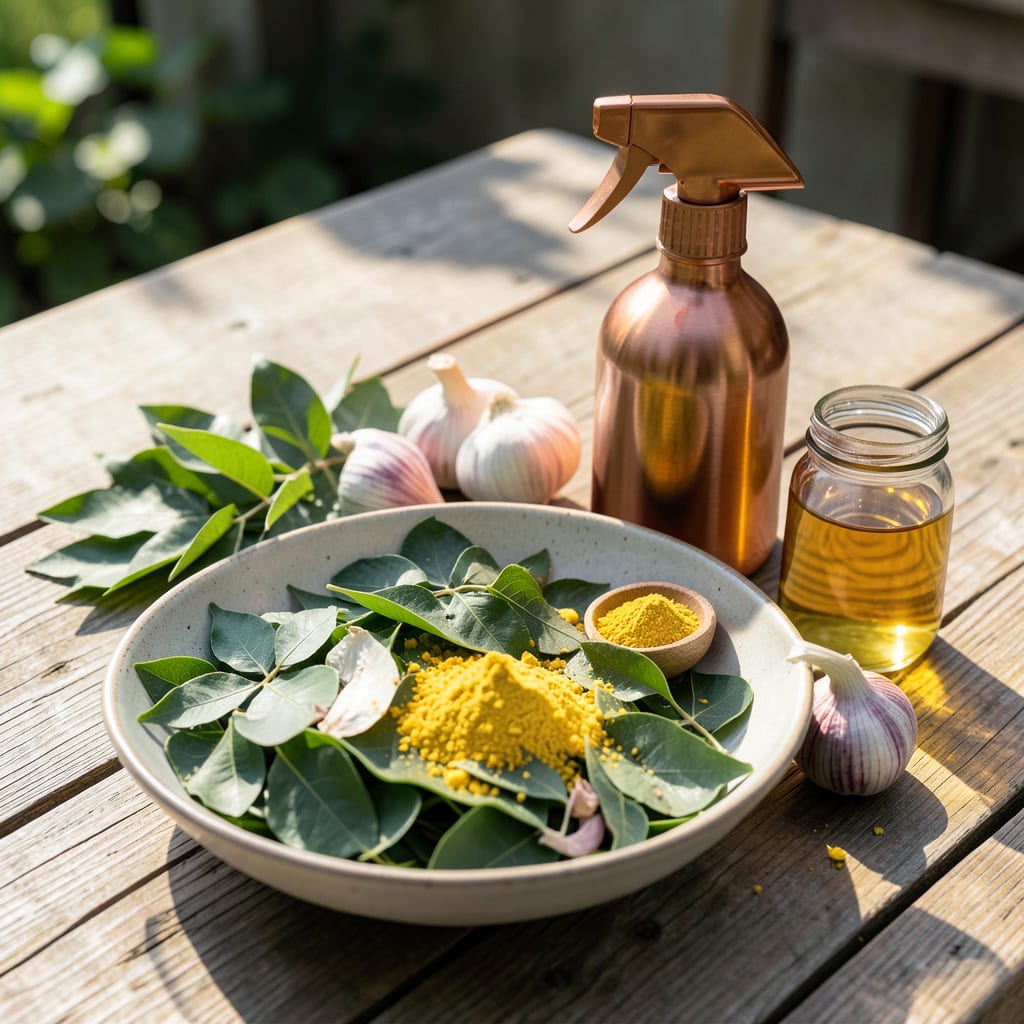
Yellow patches on leaves, fuzzy gray growth underneath—downy mildew hits fast and spreads faster. I lost an entire cucumber crop to this before learning how to stop it in its tracks.
The fix isn’t complicated: immediate removal of infected leaves, improved air circulation, and a simple organic spray. Most gardeners make the mistake of waiting too long to act, but early intervention saves plants.
Within 48 hours of treating properly, you’ll see the spread slow and new growth stay clean. The same method works for lettuce, roses, and basil—anything this fungus targets.
Prevention is even easier than treatment. A few habit changes now means you might never see this problem again.
Downy mildew doesn’t strike at random—it thrives under specific environmental conditions and poor plant care. Understanding these triggers helps you stop outbreaks before they start.
This disease loves dampness. Relative humidity above 85% and prolonged leaf wetness (from rain, dew, or overhead watering) create the perfect breeding ground. The pathogen, Plasmopara viticola (in grapes) or Pseudoperonospora spp. (in other plants), produces spores that germinate in 4–12 hours under wet conditions. Even misting plants in the evening can invite trouble if foliage stays wet overnight.
Unlike powdery mildew (which prefers warmth), downy mildew flourishes in cool, 59–75°F (15–24°C) weather. Spring and fall are prime seasons for outbreaks, especially in crowded gardens or greenhouses with poor airflow. Sudden temperature drops with high humidity? That’s a red flag.
Stagnant air traps moisture against leaves, giving spores time to infect. Dense plantings, overgrown canopies, or cluttered garden beds block airflow, while solid fences or walls can worsen the problem. Even potted plants placed too closely together are at risk.
The pathogen survives in soil, debris, and irrigation water. Using untreated rainwater or reused irrigation from infected plants spreads spores. Similarly, planting in soil where downy mildew previously thrived (without crop rotation) invites recurrence.
Some plants are magnets for downy mildew, including cucumbers, lettuce, grapes, basil, and roses. Heirloom or non-resistant varieties often lack genetic defenses, making them easier targets. Check seed packets or plant tags for downy mildew-resistant labels when possible.
Downy mildew can be stubborn, but these targeted fixes will help you reclaim your garden. Address the root cause first, then apply the right treatment.
Downy mildew thrives in damp, still conditions. Prune crowded foliage to allow air circulation, and water at the base of plants (never overhead) to keep leaves dry. For potted plants, ensure containers have drainage holes and use a well-draining soil mix.
Prevention tip: 💡 Space plants farther apart to reduce humidity buildup.
At the first sign of yellow spots or fuzzy growth, remove infected leaves and destroy them (do not compost). For mild cases, spray plants with a baking soda solution (1 tsp baking soda, 1 quart water, ½ tsp liquid soap). For severe infections, use copper-based fungicides or neem oil, following label instructions.
Prevention tip: ✨ Apply a preventative spray (like sulfur or potassium bicarbonate) every 7–10 days during wet seasons.
Weak plants are more susceptible. Strengthen soil with compost or organic matter to improve drainage and nutrient uptake. Avoid over-fertilizing with nitrogen, which promotes tender growth that’s prone to disease.
Prevention tip: 🎯 Rotate crops annually to disrupt disease cycles in the soil.
If downy mildew is a recurring problem, swap vulnerable plants for resistant cultivars. For example, opt for mildew-resistant cucumbers (e.g., ‘Diva’) or grapes (e.g., ‘Chardonnay’). Research varieties bred for your climate.
Prevention tip: 🌡️ Monitor weather forecasts—apply protective sprays before extended rainy periods.
Yes, a baking soda spray (1 tsp baking soda, 1 quart water, ½ tsp soap) can stop early outbreaks. It changes leaf pH, making it harder for spores to grow. Reapply every 5-7 days for best results.
Spores linger in soil and plant debris. Without removing infected material and improving airflow, new growth gets reinfected. Always rotate crops and clean garden tools between uses.
No, avoid eating affected leaves or fruits. While not toxic, the fungus can alter taste and texture. Wash all produce thoroughly, even if it appears healthy.
Remove infected leaves immediately and isolate the plant. Then apply a copper fungicide or neem oil spray. This combo halts spores within 24-48 hours.
