
Beautiful Plants For Your Interior
Beautiful Plants For Your Interior
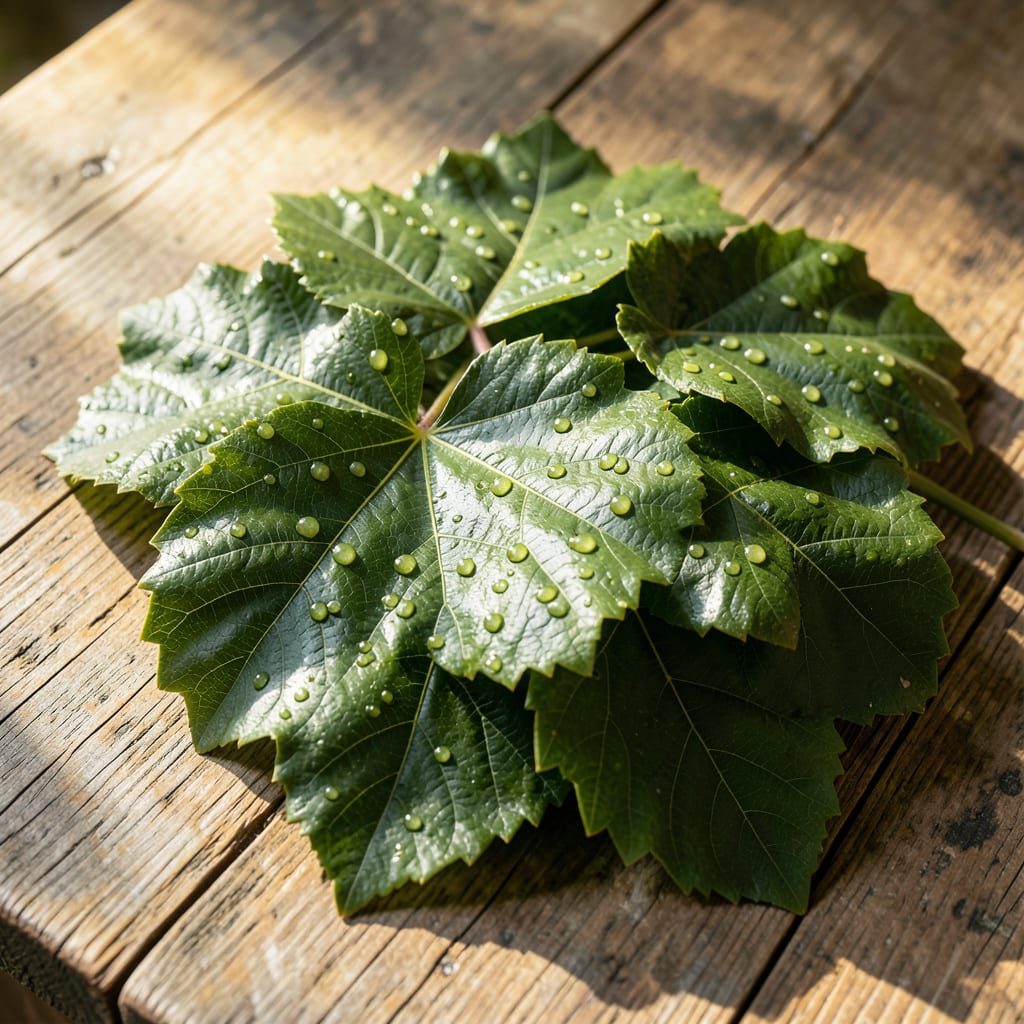
Those strange bumps on your grape leaves aren’t random—they’re a message. I’ve seen my share of panicked gardeners mistaking harmless galls for deadly infestations, and the confusion always costs time.
What you’re dealing with could be phylloxera pests, leaf galls, or even just environmental stress. Each leaves distinct clues: tiny yellow bumps, red blisters, or hard swellings. The good news? Most are treatable if caught early.
You’ll learn to spot the differences between pest damage and disease, plus the exact steps to save your vines without harsh chemicals. Early action prevents the problem from spreading to next year’s harvest.
Works for backyard vines and commercial growers alike. Here’s how to diagnose and fix it for good.
Bumps on grape leaves are often a sign of underlying issues, ranging from pests to diseases. Understanding the root cause helps in effective management. Below are the most common reasons, explained with scientific precision.
Many bumps are galls formed by tiny insects like grape phylloxera (Daktulosphaira vitifoliae) or grape leaf blister mites (Colomerus vitis). These pests inject saliva or lay eggs into leaf tissue, triggering abnormal cell growth. Phylloxera galls often appear on the underside of leaves, while blister mites create pouch-like swelling on the surface. Action: Inspect leaves with a magnifying glass and apply horticultural oil or insecticidal soap for control.
Fungi like powdery mildew (Erysiphe necator) can cause raised, blister-like bumps as hyphae penetrate leaf cells. These are often accompanied by a white, powdery coating. High humidity and poor air circulation exacerbate the issue. Action: Improve ventilation, remove infected leaves, and apply sulfur-based fungicides preventatively.
Non-biological factors, such as herbicide drift or nutrient deficiencies (e.g., boron or calcium), may cause leaf deformities. Overwatering or drought stress can also lead to cell enlargement, resulting in bumps. Action: Test soil for deficiencies, adjust irrigation, and avoid chemical exposure.
Less common but possible, bacteria like Pseudomonas syringae can cause leaf galls or raised lesions. These often appear water-soaked or necrotic. Action: Prune infected tissue and apply copper-based bactericides during the growing season.
Dealing with bumps on grape leaves often means addressing the root cause. Below are actionable solutions tailored to common culprits, along with tips to keep your vines healthy long-term.
Fix: Start by blasting pests off with a strong stream of water. For stubborn cases, apply neem oil or insecticidal soap directly to the affected leaves, focusing on the undersides where pests hide. Repeat every 5–7 days until the bumps disappear.
Prevention: Introduce beneficial insects like ladybugs or lacewings to your garden. Regularly inspect leaves for early signs of infestation.
Fix: Remove and destroy heavily infected leaves to prevent spread. Apply a copper-based fungicide or baking soda spray (1 tbsp baking soda + 1 tsp dish soap + 1 gallon of water) to the remaining foliage. Ensure good air circulation around the plants.
Prevention: Avoid overhead watering to keep leaves dry. Prune vines to improve airflow and reduce humidity.
Fix: If bumps are caused by edema (water pressure in cells), adjust your watering schedule to allow the soil to dry slightly between waterings. Move potted vines to a location with better light or airflow if needed.
Prevention: Maintain consistent moisture levels and ensure your grapes receive 6–8 hours of sunlight daily. Mulch around the base to retain soil moisture evenly.
Always clean your pruning tools with rubbing alcohol between cuts to avoid spreading disease. Healthy, well-maintained vines are less likely to develop bumps in the first place!
Not always. Many bumps are harmless galls caused by insects. However, severe infestations or fungal infections can weaken the vine. Inspect the leaves closely for signs of spreading or discoloration.
Pest-related bumps often appear on the underside of leaves, while fungal bumps may have a powdery coating. Use a magnifying glass to check for tiny insects or eggs. When in doubt, compare with online images for accurate identification.
Yes! A baking soda spray or neem oil can effectively treat fungal infections and pests. Mix 1 tablespoon of baking soda with 1 gallon of water and a few drops of dish soap for a simple, safe solution.
