
Beautiful Plants For Your Interior
Beautiful Plants For Your Interior
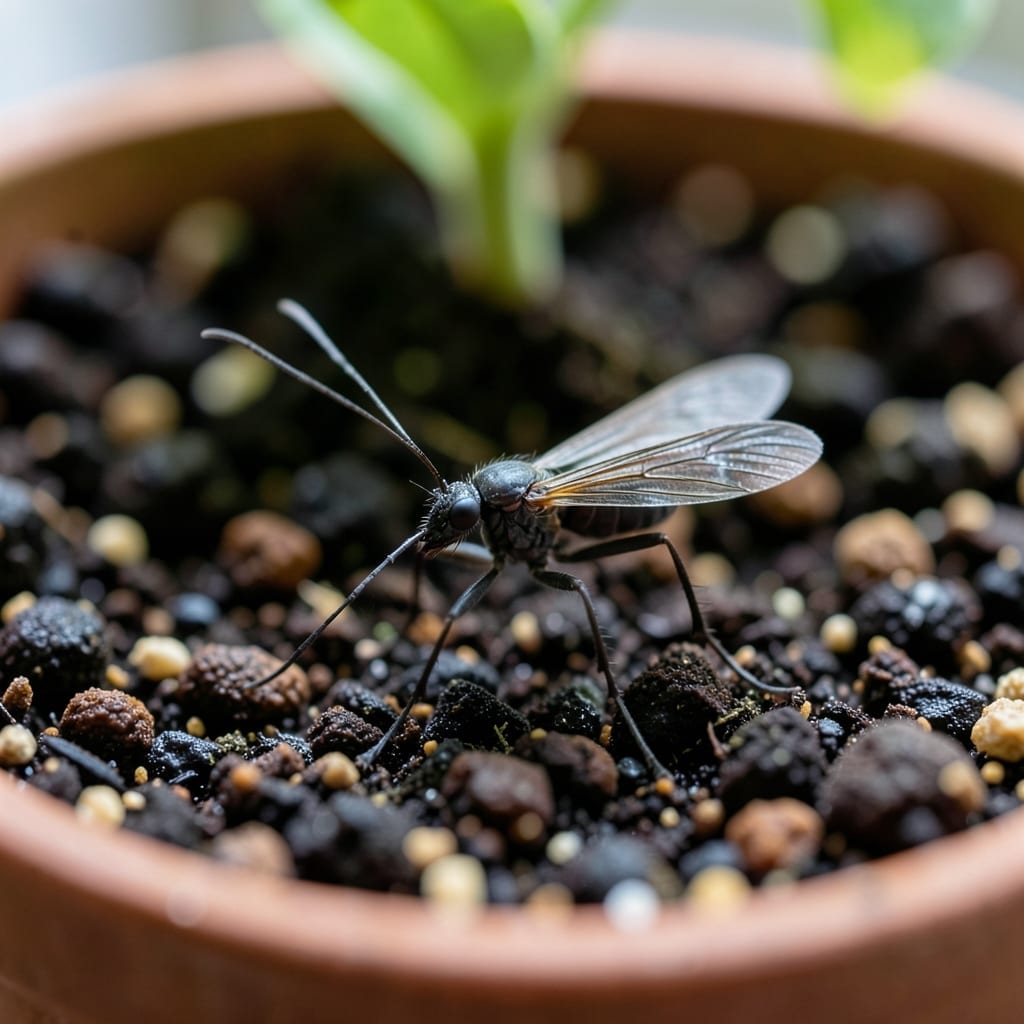
Tiny black flies hovering over your plants are more than annoying—they’re a sign your soil is too moist. I’ve battled gnat infestations in my own collection and discovered a simple solution hiding in my kitchen.
Coffee grounds work because gnats hate the smell and the drying effect on topsoil. It’s not magic, just good science: the grounds create an inhospitable environment while adding nutrients to your plants.
You’ll see results within 2-3 days as adult gnats disappear and larvae can’t survive. The best part? Your plants get a nitrogen boost while the pests get the boot.
Prevention is easier than cure—let the top inch of soil dry between waterings. This method works for all houseplants, from ferns to fiddle leaf figs.
Gnats thrive in houseplants for a few key scientific reasons, often tied to moisture, organic matter, and poor drainage. Understanding these causes helps you target the problem effectively.
Fungus gnats love damp soil because their larvae feed on fungi and decomposing plant material. When you overwater, the top layer of soil stays soggy, providing the perfect humid environment for gnats to lay eggs. Root rot from excess moisture also attracts these pests, as decaying roots release nutrients they crave.
Dead leaves, fallen petals, or uneaten plant food break down into organic matter, which fungus gnat larvae consume. If your pot has a layer of decomposing material on top—like old mulch or unincorporated compost—it becomes a buffet for developing gnats. Even coffee grounds, if not mixed into the soil, can contribute to this issue when left to mold on the surface.
Pots without drainage holes or those using dense, non-porous soil (like pure peat) retain water longer, creating stagnant conditions. This lack of airflow slows decomposition, allowing organic matter to linger and attract gnats. Compacted soil further exacerbates the problem by preventing water from evaporating or draining properly.
Gnats in houseplants are a nuisance, but they’re also a sign your green friends need a little extra care. Here’s how to tackle the problem head-on, using simple, natural solutions—including coffee grounds—to restore balance to your indoor garden.
Gnats thrive in damp soil. If you’ve been a little too generous with water, hold off on watering until the top 1-2 inches of soil are dry. This breaks the gnat life cycle. For severe cases, repot the plant in fresh, dry soil. Prevention tip: 💡 Stick your finger in the soil before watering—if it’s moist, wait!
Coffee grounds are a natural gnat deterrent. Sprinkle a thin layer (about ¼ inch) on the soil surface after watering. The acidity and coarse texture discourage gnats from laying eggs. Refresh every 2-3 weeks. Prevention tip: ✨ Mix used grounds into potting soil for long-term protection.
Decaying leaves or uneaten fruit attract gnats. Remove dead foliage and fallen debris from the soil and surrounding area. Wipe down pots and saucers with soapy water to eliminate hidden eggs. Prevention tip: 🎯 Keep your plant area tidy and inspect regularly.
For a quick fix, set up apple cider vinegar traps. Fill a shallow dish with vinegar and a drop of dish soap. The scent lures gnats, and the soap traps them. Replace every few days. Prevention tip: 🌡️ Combine traps with other methods for best results.
Apply a thin layer every 2-3 weeks or when you notice new gnat activity. Mixing them into the top inch of soil works better than leaving them on the surface.
Fresh grounds are too acidic and may harm your plants. Always use used, cooled coffee grounds that have been brewed first. This makes them safe and effective.
They return if the soil stays too moist or organic debris remains. Let the topsoil dry between waterings and remove dead leaves. Persistent issues may need repotting with fresh soil.
In moderation, they’re safe and even beneficial, adding nitrogen. But too much can make soil too acidic. Use a ¼-inch layer and monitor plant health.