
Beautiful Plants For Your Interior
Beautiful Plants For Your Interior
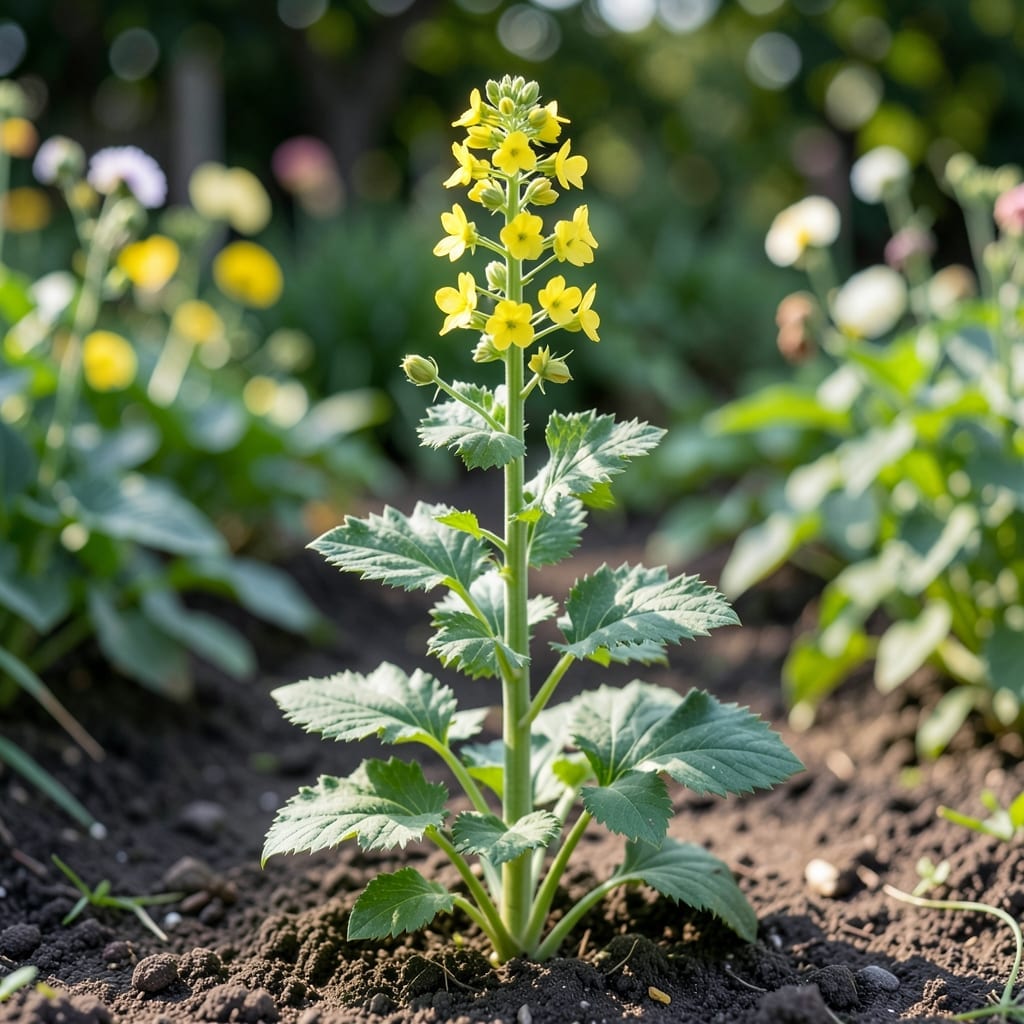
Garlic mustard yellowing often signals fungal infections like powdery mildew or root rot, nutrient deficiencies, or environmental stress. Early diagnosis and treatment can save your plants.
I’ve seen yellow leaves on garlic mustard most often when soil stays soggy for days, creating perfect conditions for fungus. 🔥 Nutrient issues tend to show up first on older leaves, while sudden discoloration often points to temperature swings or poor drainage. Testing soil moisture and checking for spots on stems helps pinpoint the exact cause faster.
💡 In This Article
Fungal infections like powdery mildew create white, powdery spots that turn leaves yellow as they spread. Root rot, caused by Phytophthora or Pythium fungi, attacks roots in waterlogged soil, cutting off nutrient flow and causing yellowing from the bottom up. 🔥
Nutrient deficiencies manifest differently: nitrogen shortage yellows older leaves first, while iron deficiency affects new growth. Soil pH imbalances (above 7.5 or below 6.0) can lock out essential nutrients, even if they’re present in the soil. ✨
Environmental stress plays a major role too. Overwatering creates anaerobic conditions that suffocate roots, while drought stress causes leaves to yellow and crisp. Temperature swings below 40°F or above 85°F disrupt photosynthesis, leading to chlorosis. 💫
Pest damage often mimics disease symptoms. Aphids and whiteflies suck sap from leaves, causing yellow stippling. Root-feeding nematodes create patchy yellowing as they damage the root system. Always check leaf undersides for tiny pests. ⚡
Light conditions matter more than many realize. Garlic mustard thrives in partial shade, and full sun exposure can bleach leaves yellow, especially in hot climates. Conversely, deep shade reduces photosynthesis efficiency, leading to pale, yellowish foliage. 🌟
Look for white powdery spots or fuzzy growth on leaves, which indicate powdery mildew. Root rot often shows wilting and yellowing starting from the bottom up.
Waterlogged soil leads to root rot, while pH above 7.5 or below 6.0 can lock out nutrients. Overly dry soil also stresses plants, causing yellow leaves.
Aphids and whiteflies create yellow stippling by sucking sap. Root-feeding nematodes cause patchy yellowing as they damage roots.
Yes, full sun can bleach leaves yellow, especially in hot climates. Garlic mustard prefers partial shade for optimal growth.
Remove the entire plant if yellowing spreads despite treatment. Destroy it—never compost—to prevent spreading disease.