
Beautiful Plants For Your Interior
Beautiful Plants For Your Interior
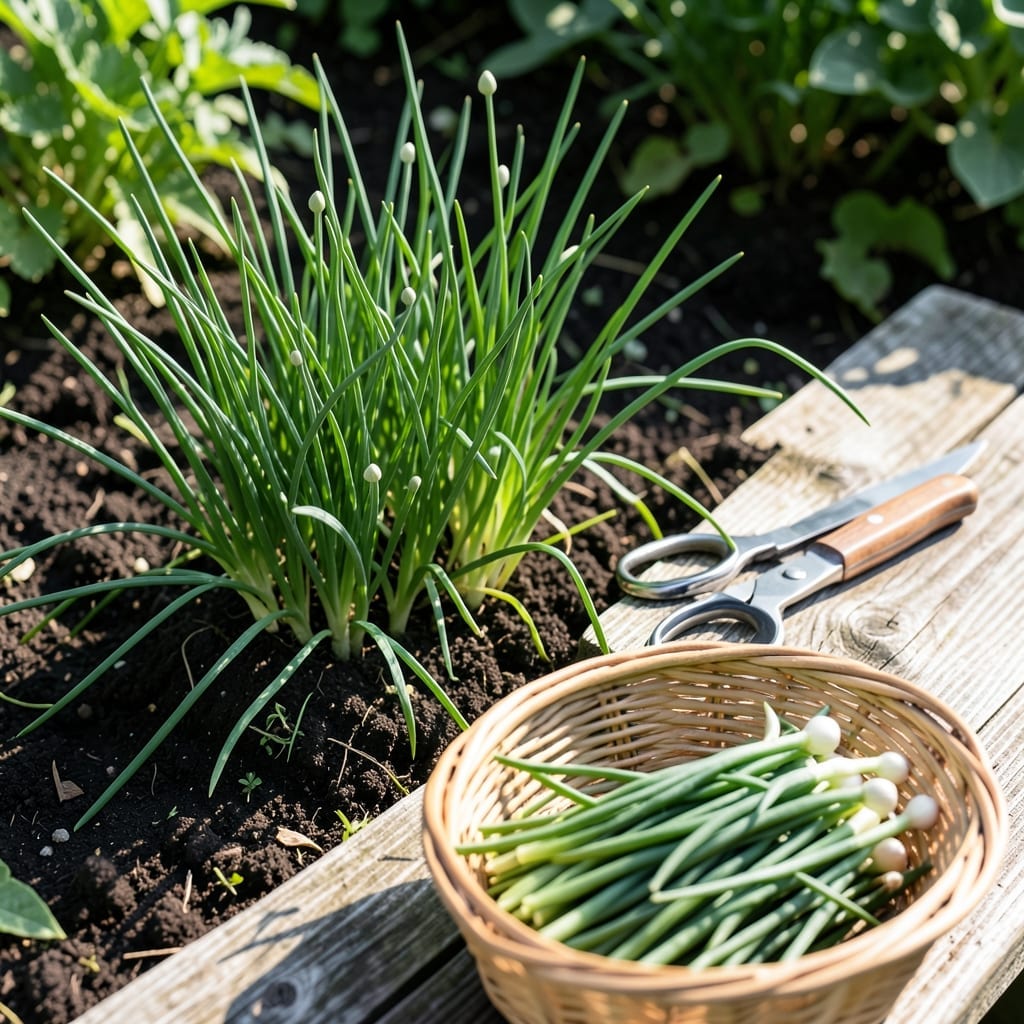
There’s nothing quite like snipping fresh 🌱 Garlic Chives from your garden to add that perfect mild garlic-onion kick to your dishes. But timing and technique make all the difference in keeping your plants thriving.
I used to struggle with knowing exactly when to pick without harming my plants. Through trial and error, I discovered the easiest way to harvest that ensures continuous growth and maximum flavor.
You’ll want to start checking your plants in May, as this is when they typically reach their peak. The key is looking for those telltale signs that your Garlic Chives are ready.
Let me walk you through the simple process that’ll keep your kitchen stocked with fresh herbs all season long. It’s simpler than you might think.
Timing is everything when it comes to harvesting garlic chives. I’ve found that the best flavor comes from leaves that are 6-12 inches long and firm to the touch. This usually happens about 60-90 days after planting, depending on your climate.
You’ll know your garlic chives are ready when the stems are sturdy and the plant has multiple healthy shoots. If you see flower buds forming, that’s another sign it’s time to harvest—though you can leave some to bloom for a pretty garden display.
| Sign | Description |
|---|---|
| Leaf Length | 6-12 inches long |
| Stem Condition | Firm and upright |
| Shoot Count | 5-6+ healthy shoots |
| Flower Buds | Visible (optional to leave) |
I always check for weak or floppy stems as a sign the plant isn’t ready. If your garlic chives have short, thin leaves or fewer than 5-6 shoots per clump, give them more time to mature. Patience pays off with a fuller harvest.
Seasonally, garlic chives thrive from May to October in most zones. In my garden, I start harvesting in late spring and continue through early fall. The plant’s growth slows in extreme heat, so adjust your timing accordingly.
For continuous growth, I harvest only a third of the plant at a time. This allows the remaining leaves to keep photosynthesizing and promotes regrowth. It’s a simple trick that keeps my garlic chives productive all season.
If you’re growing in containers, watch for soil moisture. Potted garlic chives may need more frequent watering, especially during hot summer days. But don’t overdo it—well-draining soil is key to preventing root rot.
I’ve noticed that morning harvests yield the best flavor. The leaves are crisp and full of essential oils after the cool night. Avoid picking after heavy rain or in the midday heat, as the leaves can be limp or less flavorful.
Finally, keep an eye on flower development. While the white star-shaped blooms are beautiful, they can make the leaves bitter if left too long. I snip off the flower stalks if I want to prioritize leaf production.
By following these simple cues, you’ll enjoy a steady supply of garlic chives with maximum flavor and healthy regrowth. It’s one of the easiest herbs to maintain in the garden! 🌿
Harvesting garlic chives properly keeps your plants healthy and productive all season. I always start by checking that the leaves are 6-12 inches long before picking. This ensures the plant has enough energy stored for regrowth.
Using the right tools makes a big difference. I recommend sharp scissors or pruning shears to make clean cuts without tearing the stems. This reduces stress on the plant and helps prevent disease.
Harvesting Steps:
I always avoid cutting too low on the stem, as this can lead to rot or disease. Leaving a small portion of the stem intact helps the plant heal faster and produces new growth more efficiently.
For continuous harvests, I pick regularly but lightly. This encourages the plant to produce more shoots, giving me a steady supply throughout the growing season. Garlic chives are forgiving, but consistency is key.
After harvesting, I inspect the plant for any signs of stress or pests. Healthy plants recover quickly, but if I notice yellowing leaves or weak stems, I adjust my care routine to help it bounce back.
With these simple techniques, you’ll enjoy fresh garlic chives all season while keeping your plants thriving and productive for years to come. ✂️🌱