
Beautiful Plants For Your Interior
Beautiful Plants For Your Interior
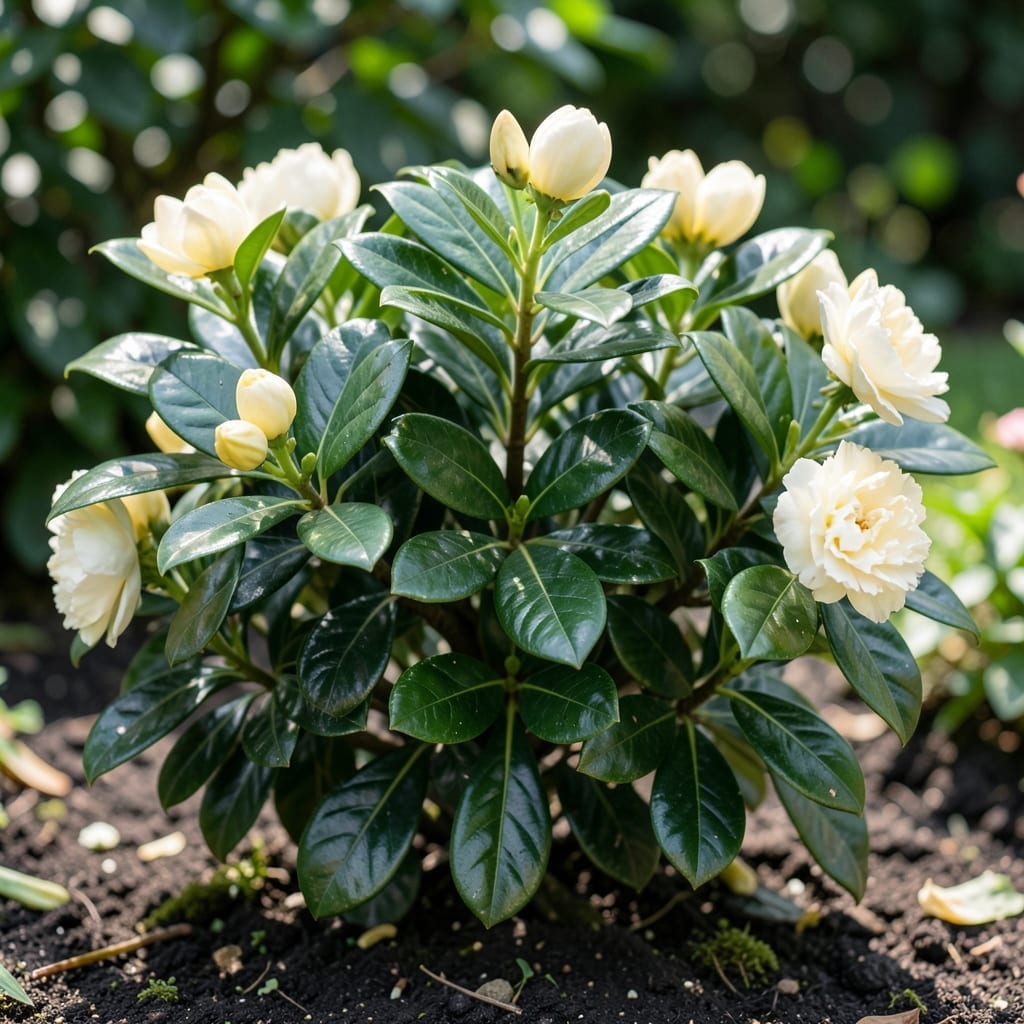
Yellow gardenia flowers caught me off guard last summer. I’d spent months babying those plants, only to watch the blooms fade from pure white to a sickly yellow.
Turns out, it’s usually one of three culprits: too much water, not enough nutrients, or uninvited pests throwing a party in the soil. The fix is simpler than you’d think—adjust your care routine and watch them bounce back.
My gardenias recovered within 2-3 weeks once I dialed in the watering and added a balanced fertilizer. The blooms returned to their vibrant white, and the plants looked healthier than ever.
Prevention is key: well-draining soil, consistent moisture, and regular inspections keep problems from starting. Healthy gardenias reward you with fragrant blooms all season long.
When your gardenia’s pristine white blooms start turning yellow, it’s usually a sign of stress or imbalance. Here are the most common causes, broken down with actionable fixes.
Gardenia flowers yellow often due to a lack of iron or magnesium in the soil. These plants thrive in acidic soil (pH 5.0–6.0), and when the pH rises, nutrients like iron become unavailable. Fix: Test your soil and amend it with sulfur or iron chelates to lower pH. A foliar spray of Epsom salt (magnesium sulfate) can also help.
Too much water or soggy roots can lead to root rot, which disrupts nutrient uptake and causes yellowing. Gardenias prefer moist but well-draining soil. Fix: Ensure pots have drainage holes, and water only when the top inch of soil feels dry. Use a moisture meter to avoid guesswork.
While gardenias love bright light, direct afternoon sun can scorch their delicate petals, turning them yellow. Conversely, too little light weakens the plant, leading to pale or yellow blooms. Fix: Place gardenias in dappled sunlight or morning sun with afternoon shade for optimal growth.
Gardenia flowers are sensitive to temperature swings. Exposure to cold drafts (below 60°F) or extreme heat can trigger yellowing. Fix: Keep indoor gardenias away from AC vents or heaters, and move outdoor plants to a sheltered spot during temperature extremes.
Sap-sucking pests like aphids, scale, or spider mites can weaken the plant, causing yellowing flowers. Check the undersides of leaves and stems for signs of pests. Fix: Spray with neem oil or insecticidal soap to eliminate infestations.
If your gardenia’s flowers are turning yellow, don’t panic—these fixes can restore their vibrant white blooms. Below are the most common causes and their practical solutions, along with prevention tips to keep your gardenias thriving.
Yellowing often signals a lack of iron or magnesium. Use a chelated iron supplement or Epsom salt (1 tablespoon per gallon of water) to treat deficiencies. For prevention, fertilize monthly in spring and summer with an acid-loving plant food (pH 5.0–6.0). Avoid over-fertilizing, which can burn roots.
Soggy roots cause yellow leaves and flowers. Let the top inch of soil dry before watering again. Ensure pots have drainage holes, and use a well-draining, peat-based mix. For in-ground gardenias, amend clay soil with compost. Pro tip: 💡 Water at the base to avoid wetting foliage, which can invite fungal issues.
Gardenias need bright, indirect light. If flowers yellow and leaves scorch, move the plant to a spot with morning sun and afternoon shade. For leggy growth with pale blooms, increase light exposure gradually. In extreme heat, use shade cloth to protect them.
Spider mites, aphids, or scale can stress plants, leading to yellow flowers. Spray leaves with neem oil or insecticidal soap weekly until pests are gone. Prevention: 🌿 Keep the area clean and inspect leaves regularly. Introduce beneficial insects like ladybugs for long-term control.
Gardenias dislike sudden temperature swings. Keep them in 65–75°F (18–24°C) during the day and above 60°F (15°C) at night. If growing indoors, avoid drafts from vents or doors. Outdoors, mulch around the base to insulate roots.
Remember: Consistency in care—water, light, and nutrients—is key to preventing yellow blooms and keeping your gardenias lush and healthy!
Water when the top 1 inch of soil feels dry. Typically, this means 2-3 times per week in warm weather, but adjust based on humidity and drainage. Overwatering is a common cause of yellowing.
Gardenia thrives in acidic soil with a pH between 5.0–6.0. Test your soil regularly and amend with sulfur or peat moss if needed. Iron deficiency often appears when pH is too high.
Avoid standard fertilizers, as they may raise soil pH. Instead, use a formula for acid-loving plants. Apply monthly in growing season, but reduce frequency if leaves turn yellow or brown.
Flowers are more sensitive to stress than leaves. If only blooms yellow, check for direct sun exposure or temperature swings. Adjust light or move the plant to a more stable environment.