
Beautiful Plants For Your Interior
Beautiful Plants For Your Interior
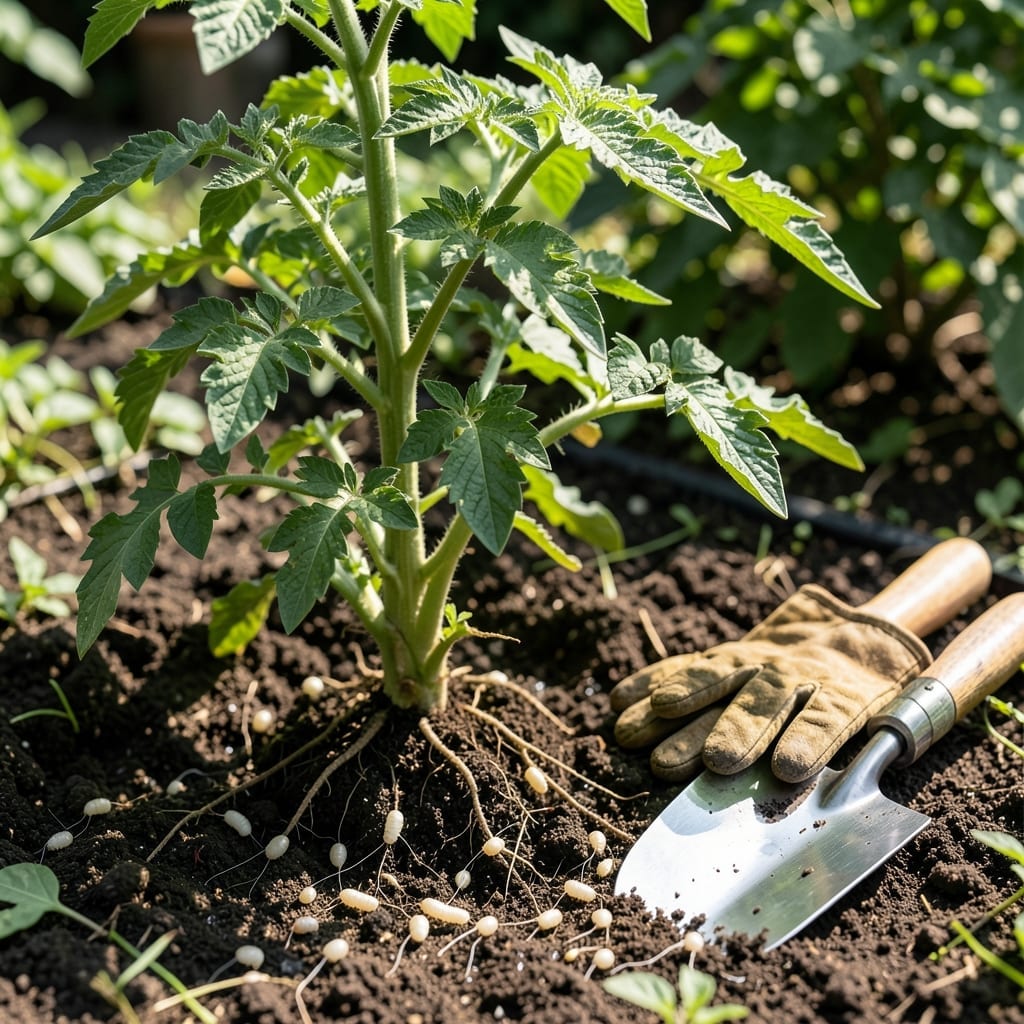
Hidden invaders can turn your garden upside down before you even notice. I’ve lost entire beds to root-eating pests that worked silently underground.
Here’s the thing—healthy soil is your first defense. The right balance of moisture, nutrients, and beneficial microbes makes it harder for pests to take hold.
You’ll spot the difference quickly: plants with strong roots, vibrant leaves, and growth that outpaces any damage. The key is catching problems early and responding with organic solutions.
Works for raised beds, containers, or in-ground gardens. These methods protect your plants without harsh chemicals.
Understanding why pests thrive in your garden soil is the first step to keeping them at bay. These unwelcome visitors don’t appear randomly—they’re drawn by specific conditions. Below are the most common causes, explained scientifically yet simply.
Decomposing plant material and compost are garden gold, but excess organic matter creates a buffet for pests like fungus gnats, cutworms, and slugs. As microbes break down matter, they release heat and moisture, which attract soil-dwelling insects looking for food and ideal breeding grounds. Action: Balance compost use and avoid burying fresh plant debris too close to roots.
Soggy soil suffocates plant roots and invites pests that thrive in damp environments. Root-knot nematodes, for example, multiply rapidly in waterlogged conditions, while pill bugs and sow bugs seek out moist, decaying material. Overwatering also washes away beneficial microbes that would otherwise compete with pests. Action: Improve drainage with perlite or sand, and water only when the top inch of soil is dry.
When soil is compacted, oxygen and water can’t circulate properly, stressing plant roots and making them more vulnerable to attack. Grubs and wireworms love dense, undisturbed soil where they can feed undetected. Additionally, poor soil structure limits the movement of predatory insects (like ground beetles) that would naturally control pest populations. Action: Aerate soil regularly and mix in organic amendments to loosen its texture.
Monoculture planting (growing the same crop in the same spot year after year) depletes soil nutrients and creates an open invitation for pests. Corn rootworms, for instance, target corn roots with precision when given the chance. A lack of plant diversity also means fewer natural predators to keep pest numbers in check. Action: Rotate crops annually and interplant with pest-repelling species like marigolds or basil.
Tackling garden pests in soil starts with identifying the issue and applying targeted fixes. Here’s how to address common culprits and keep your garden thriving:
If microscopic nematodes are damaging roots, introduce beneficial nematodes (like Steinernema or Heterorhabditis) to prey on the pests. Plant marigolds as a natural deterrent—their roots release nematode-repelling compounds. Prevention tip: 💡 Rotate crops yearly to disrupt nematode life cycles.
White grubs (larvae of beetles) munch on roots, weakening plants. Apply neem oil to soil to deter adults from laying eggs, or use milky spore (Bacillus popilliae) to target grubs organically. Prevention tip: 🌡️ Keep soil healthy with compost—strong plants resist grub damage better.
Soil mites thrive in damp conditions. Sprinkle food-grade diatomaceous earth to dehydrate them, or release predatory mites (like Hypoaspis miles) for biological control. Prevention tip: ✨ Avoid overwatering and improve drainage to make soil less hospitable.
These pests love moist soil and decaying matter. Use yellow sticky traps to catch adults, and sprinkle cinnamon on soil to kill larvae. Prevention tip: 🎯 Let the top layer of soil dry between waterings to discourage egg-laying.
For all pests, solarizing soil (covering with clear plastic in summer) can wipe out larvae and eggs. Consistency is key—combine fixes with prevention for long-term results!
Look for wilting plants, yellowing leaves, or visible holes in roots. Dig carefully near affected plants to spot grubs, mites, or nematodes. Stunted growth often signals underground issues.
Neem oil and diatomaceous earth work well for many pests without harming plants. For grubs, milky spore is a natural bacteria that targets them specifically. Always follow package instructions.
Yes, but solarize it first by covering with clear plastic for 4-6 weeks in summer. This kills eggs and larvae. Alternatively, mix in compost to boost beneficial microbes that compete with pests.
Pests return due to poor soil health or lack of biodiversity. Rotate crops, avoid overwatering, and add pest-repelling plants like marigolds. Healthy soil is your best defense.