
Beautiful Plants For Your Interior
Beautiful Plants For Your Interior
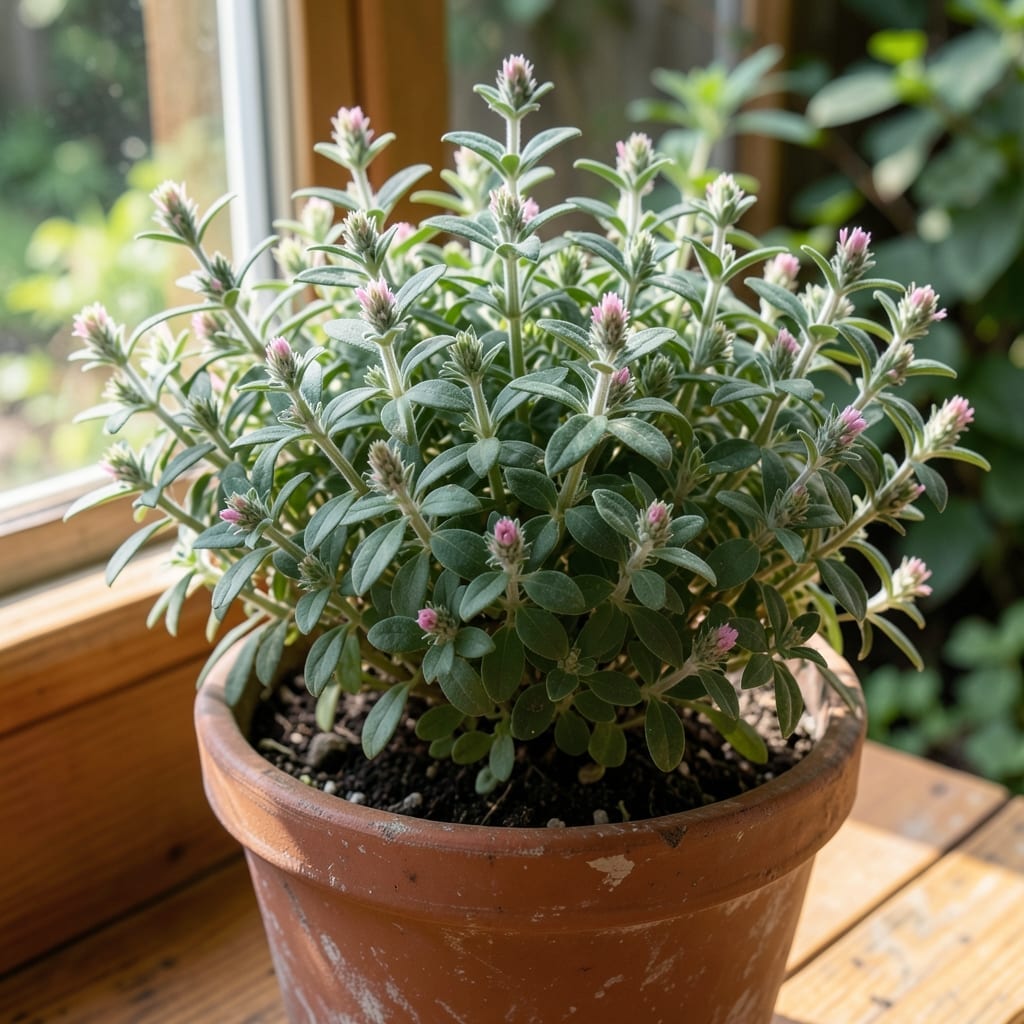
Oregano leaves are small, oval to rounded, with slightly pointed tips. They grow in opposite pairs along square stems, featuring a vibrant green color with a slightly fuzzy texture.
I find oregano fascinating because its square stems are a dead giveaway—most herbs have round ones. The fuzzy texture helps the plant retain moisture in dry climates, which is why it thrives in Mediterranean conditions. When crushed, the leaves release an unmistakable aroma that’s far more potent than their subtle appearance suggests. ✨
💡 In This Article
The shape of oregano leaves starts as small, rounded ovals when young, gradually developing slightly pointed tips as they mature. A mature leaf typically measures 0.5 to 1.5 inches long, with a width about half its length. The edges appear smooth but may have tiny, almost imperceptible serrations under close inspection. 🌟
What’s truly distinctive is the arrangement. Oregano leaves grow in opposite pairs along the stem, meaning each node produces two leaves directly across from each other. The stems themselves are square—a key identifier—with visible ridges you can feel when rolling between your fingers. This pattern is consistent across the Origanum vulgare species.
The vein structure is pinnate, with a central midrib and smaller veins branching outward like a feather. This creates a subtle texture on the leaf surface. The color can vary from bright green in full sun to a deeper, slightly grayish-green in partial shade.
The fuzzy texture, caused by tiny hairs called trichomes, helps the plant conserve water in arid conditions. ✨
As the plant ages, the leaves may develop a slightly leathery texture while maintaining their aromatic properties. The underside of the leaf is often lighter in color, with more prominent veins. These visual cues remain consistent whether the oregano grows wild in Mediterranean regions or in your home garden. 💫
Interestingly, oregano leaves can change appearance based on growing conditions. In dry, sunny climates, they tend to be smaller and more concentrated in oils, while those grown in cooler, moister environments may appear slightly larger and less fragrant. This adaptability contributes to the plant’s hardiness and widespread cultivation.
Yes, young leaves start as bright green but may develop a slightly grayish-green hue in partial shade. In cold weather, they can turn purple while maintaining their oval shape and fuzzy texture.
Crush a leaf between your fingers. True oregano releases a strong, spicy aroma. Also, check for square stems and opposite leaf pairs—these are the most reliable visual cues.
Oregano leaves are smaller, more oval, and fuzzy, while mint leaves are larger and smooth. Oregano’s aroma is earthy and spicy, whereas mint smells sweet and refreshing.
The underside is lighter in color with more prominent veins. Both sides have a fuzzy texture, but the top may feel slightly smoother due to the arrangement of tiny hairs.