
Beautiful Plants For Your Interior
Beautiful Plants For Your Interior
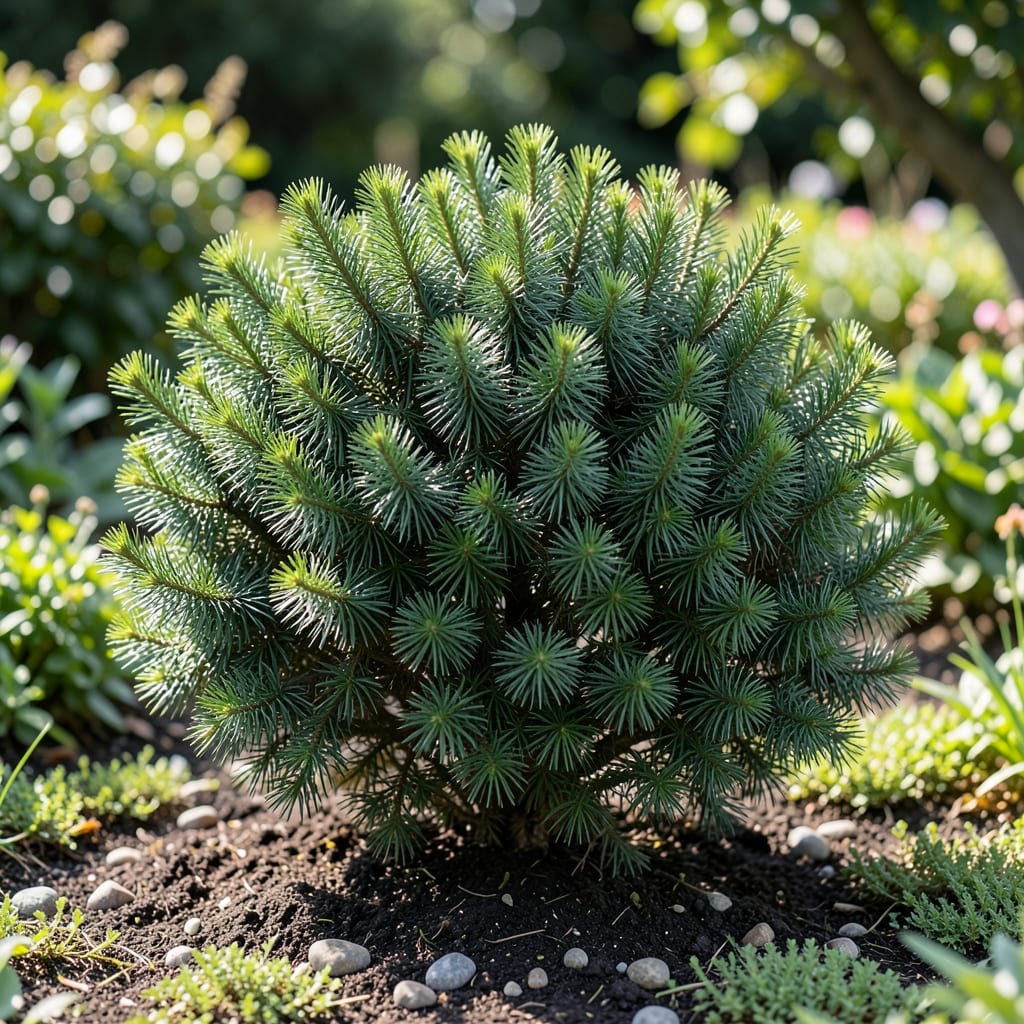
The common name for Podocarpus is Japanese yew, though it’s also known as Buddhist pine or plum yew, reflecting its cultural and botanical significance.
I find the variety of names fascinating—each reflects a different cultural lens. Japanese yew highlights its use in traditional gardens, while Buddhist pine connects to spiritual practices. The plum yew name comes from its fruit resembling plums, adding a botanical dimension. 🌟
This plant holds deep meaning across Asia, often symbolizing longevity and resilience in landscaping. Its adaptability makes it a favorite for both ornamental and practical purposes. 💫
💡 In This Article
In Japan, this evergreen is called kusamaki and is prized for its resilience in traditional gardens. It often appears in temple courtyards, where its dense, dark green foliage provides year-round structure. The plant’s ability to thrive in both sun and shade makes it a symbol of adaptability in Japanese horticulture. 🌟
Chinese culture refers to it as luó hàn sōng, associating it with Buddhist practices. Monks historically planted these trees near monasteries for their meditative qualities—the slow growth and enduring nature mirror spiritual patience. The aromatic wood was also used in incense, with its subtle, pine-like fragrance enhancing rituals. ✨
The name plum yew comes from its fleshy, purple cone-like structures that resemble plums. These aren’t true fruits but modified stems called arils, which attract birds that help disperse seeds. This botanical feature explains why it earned the “yew” suffix, despite belonging to a completely different plant family than true yews. 💫
In Korea, it’s known as neolcha namu and appears in folk medicine. Practitioners used its leaves in teas to treat respiratory ailments, though modern science advises caution due to potential toxicity. The plant’s cultural footprint extends to Vietnam, where it’s planted near pagodas as a protective barrier against negative energy. ⚡
What ties these traditions together is the tree’s remarkable longevity—some specimens live over 1,000 years. This lifespan contributes to its symbolic association with immortality in multiple Asian cultures, making it a living bridge between generations in sacred spaces. 🔥
Each name reflects a cultural or botanical trait. Japanese yew highlights its use in traditional gardens, while Buddhist pine ties to spiritual practices. Plum yew comes from its fruit resembling plums.
No, despite the name, it belongs to the Podocarpaceae family, not the Taxaceae family like true yews. The similarity comes from its needle-like leaves and red arils, which resemble yew berries.
Yes! It thrives in well-draining soil with pH 6.0-7.0 and tolerates both sun and shade. Water 1-2 times weekly and prune in early spring for best results.
Some Podocarpus trees in Asia exceed 1,000 years old. Their longevity contributes to cultural associations with immortality and resilience.