
Beautiful Plants For Your Interior
Beautiful Plants For Your Interior
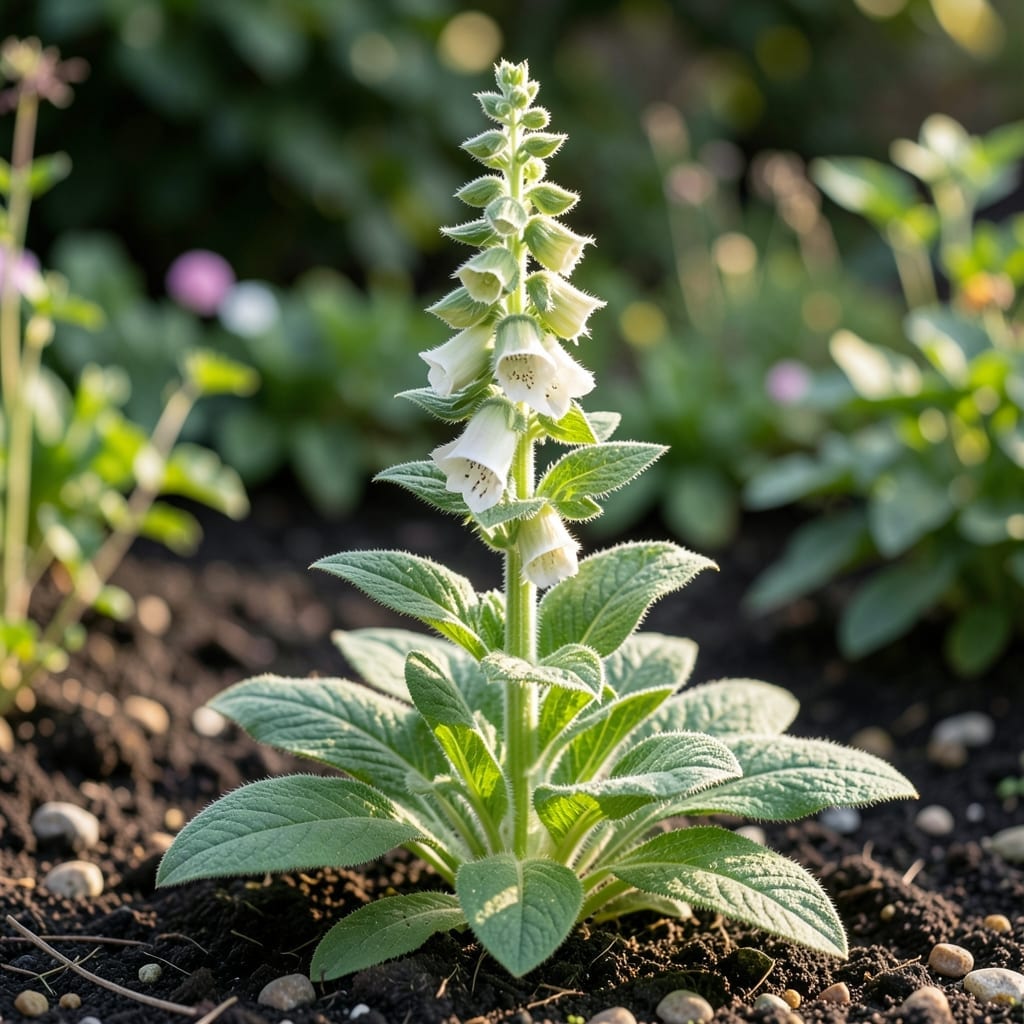
Foxglove leaves are large, soft, and slightly hairy with a lance-shaped form, featuring prominent veins. They grow in a rosette at the base and alternate along the stem, typically deep green with a slightly wrinkled texture.
I love how these leaves form a striking base for the plant’s tall flower spikes. The texture feels almost velvety to the touch, and the deep green color provides a perfect backdrop for the vibrant blooms. Gardeners often use this foliage to add lush, architectural interest to shady borders. ✨
What’s fascinating is how the vein patterns create a network-like appearance, making them easy to spot even from a distance.
💡 In This Article
The lance-shaped leaves typically measure 8-12 inches long and 3-5 inches wide, with a pointed tip that tapers gracefully. This elongated shape helps channel rainwater directly to the roots, a clever adaptation for their woodland origins. 🌿
What sets them apart is the texture—covered in fine, soft hairs that give a velvety feel. These hairs, called trichomes, help reduce water loss and protect against pests. The surface often appears slightly puckered between the prominent veins, creating a quilted effect.
The veins form a raised network pattern that’s particularly striking on the underside. In species like Digitalis purpurea, these veins may have a reddish tint, adding subtle color variation. The alternation along the stem creates a spiral effect that maximizes sunlight capture. ✨
Color can range from deep forest green to gray-green varieties, with some cultivars displaying silver tones. The rosette formation at the base creates a lush ground cover before the flower stalks emerge, making it a favorite for cottage gardens.
Interestingly, the leaf edges are entire (smooth) rather than serrated, which helps distinguish foxglove from similar-looking plants. This smooth margin contributes to its elegant, almost architectural appearance in garden settings. 💫
The fine hairs, called trichomes, create that soft texture. These help reduce water loss and protect against pests, giving the leaves their velvety feel.
Look for the smooth, entire edges and prominent raised veins. Unlike comfrey or mullein, foxglove leaves have a distinct lance shape and grow in a rosette pattern.
No, they vary from deep forest green to gray-green. Some cultivars even display silver tones, especially in partial shade. The color can deepen with maturity.
Never consume any part of the plant. All foxglove parts are highly toxic to humans and pets due to cardiac glycosides. Always wear gloves when handling.