
Beautiful Plants For Your Interior
Beautiful Plants For Your Interior
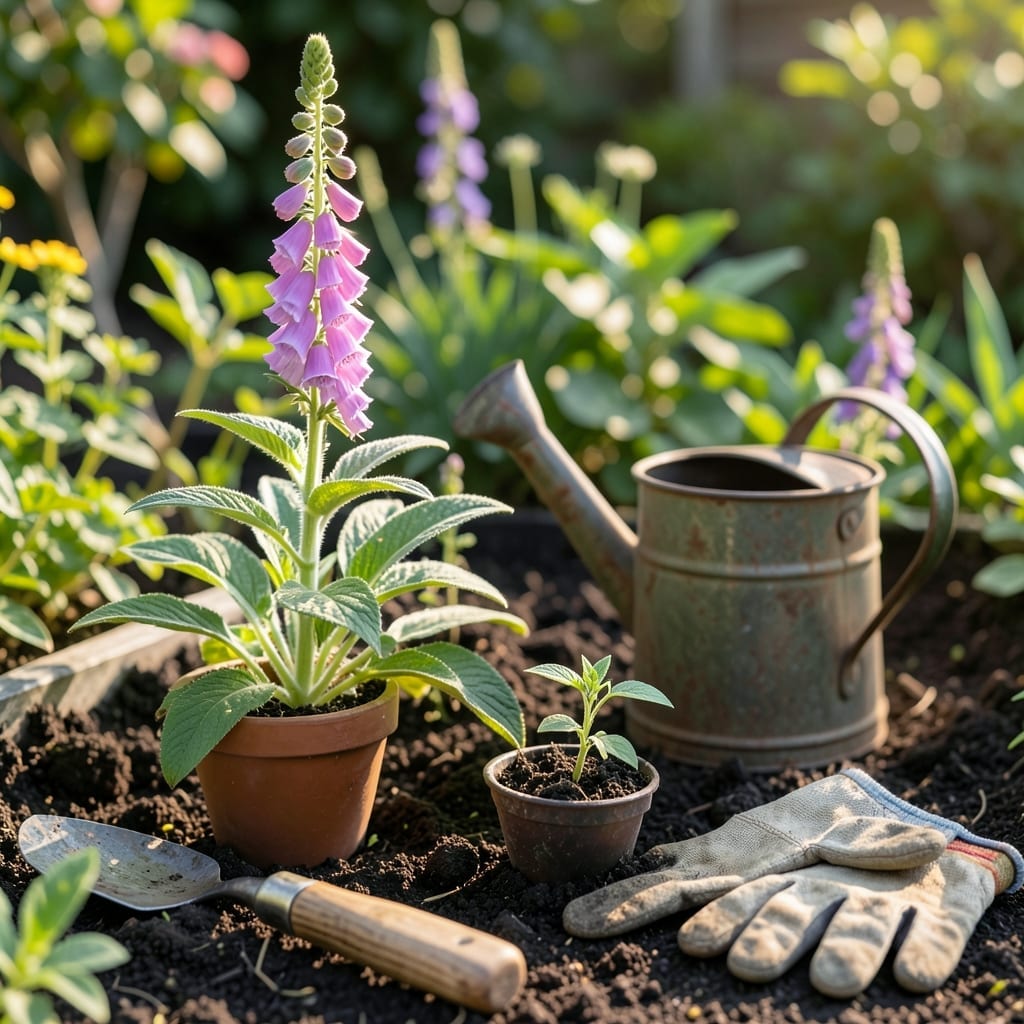
There’s something magical about watching Foxglove 🌸 rise in your garden, their tall spikes crowned with those iconic bell-shaped blooms. But here’s the catch – these beauties have specific needs that can trip up even seasoned green thumbs.
I remember my first attempt ended with sad, wilted plants. Turns out, mastering the basics of planting Foxglove makes all the difference between heartbreak and a garden showstopper.
Whether you’re starting from seeds or nursery plants, the secrets to success are simpler than you think. With the right approach, you’ll be rewarded with stunning displays year after year.
Let me walk you through everything you need to know to get these dramatic flowers thriving in your space. The results will be worth every bit of effort.
Planting foxglove plants starts with proper timing. I always begin indoors 8-10 weeks before the last frost for seeds, or plant seedlings outdoors after all danger of frost has passed.
For outdoor planting, choose a location with partial shade and rich, well-draining soil. Foxgloves prefer slightly acidic to neutral soil, so test your soil pH if possible.
If you’re starting with foxglove seeds, keep the soil consistently moist but not soggy. Germination typically takes 2-3 weeks at 60-70°F temperatures.
For nursery-grown seedlings, harden them off for a week before transplanting. This means gradually exposing them to outdoor conditions, starting with a few hours of shade.
I’ve found that April or early May works best for most regions. In warmer climates, you can also plant in early fall for spring blooms.
Spacing is crucial with foxgloves. Crowded plants can lead to powdery mildew or poor air circulation. Remember, these are biennial plants – they’ll grow foliage the first year and bloom the second.
After planting, water your foxgloves 1-2 inches per week, more during hot, dry spells. The key is to keep the soil consistently moist but never waterlogged.
Finally, be patient. While you might see some first-year blooms with early planting, most foxgloves will reward your patience with spectacular spikes of bell-shaped flowers in their second year.
🌸To grow foxglove plants successfully, I focus on replicating their native woodland conditions. They thrive in partial shade with 4-6 hours of morning sun and afternoon shade. The soil should be moist but well-draining with a slightly acidic to neutral pH. 🌱
I’ve found that USDA zones 4-8 are ideal for foxgloves, where they can establish strong root systems. Companion plants like ferns or hostas work well, as they share similar light and moisture needs. Avoid planting in full sun or waterlogged areas, as this can stress the plants. 🌿
| Requirement | Specification |
| Sunlight | Partial shade, 4-6 hours |
| Soil pH | 6.1-7.3 |
| Water Needs | 1-2 inches weekly |
| Soil Type | Moist, well-draining |
| USDA Zones | 4-8 |
In my garden, I ensure consistent moisture without waterlogging, especially during the first growing season. Mulching with organic matter helps retain moisture and regulate soil temperature. Foxgloves are biennials, so they’ll focus on foliage the first year and bloom the second. ✂️
I avoid over-fertilizing, as foxgloves prefer moderate fertility. A balanced fertilizer applied in early spring is sufficient. If the soil is too rich, the plants may produce more leaves but fewer flowers. Keep an eye out for pests like aphids or slugs, which can damage young plants.
For best results, I plant foxgloves in sheltered spots to protect them from strong winds, which can snap their tall flower spikes. Staking may be necessary for taller varieties, especially in exposed areas. With the right conditions, these plants will reward you with stunning blooms year after year.
Remember, foxgloves are toxic if ingested, so I always wear gloves when handling them and keep them away from pets and children. Their beauty is worth the extra care, and they’ll thrive with minimal effort once established. 🌷