
Beautiful Plants For Your Interior
Beautiful Plants For Your Interior
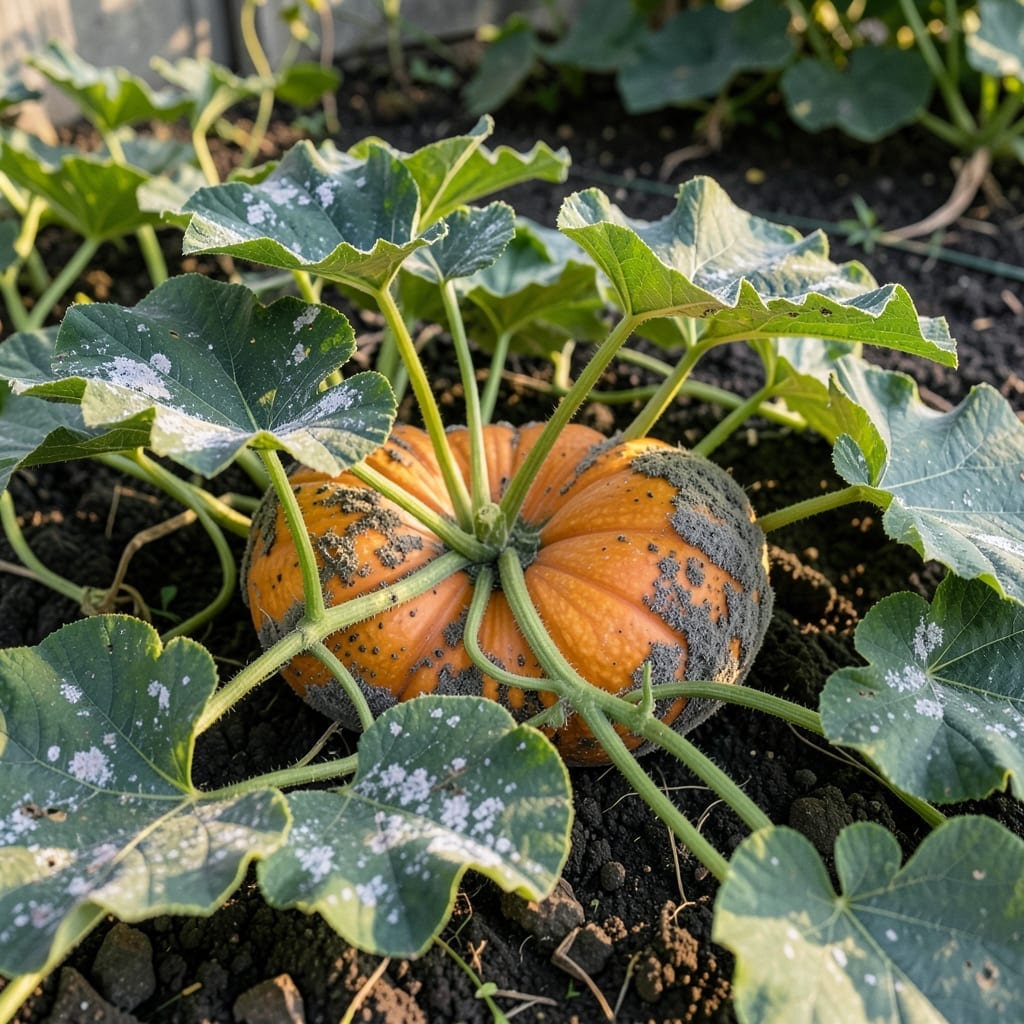
That white powder on your pumpkin isn’t just ugly—it’s stealing nutrients. I’ve watched entire pondside patches turn to mush overnight because of unchecked fungus.
Most gardeners miss the early signs: yellow spots, stunted growth, or subtle webbing. By the time you see the classic powdery mildew, the infection’s already spread to your water garden’s ecosystem.
Here’s the thing—removal is simple if you act fast. A 30-minute treatment can save your pumpkins and protect your pond’s balance. No harsh chemicals needed.
Prevention boils down to airflow and clean water. Small changes now prevent big headaches later. Your pumpkins—and your pond—will thank you.
Fungal growth on pumpkins often stems from environmental and biological factors. Here are the most common causes:
Pumpkins thrive in well-drained soil, but standing water or high humidity creates the perfect breeding ground for fungi like Phytophthora or Powdery Mildew. Overwatering, poor drainage, or wet foliage can accelerate spores’ spread, especially in shaded pondside areas.
Decaying leaves, dead plant matter, or uneaten pumpkin flesh in ponds releases nutrients that feed fungal spores. Stagnant organic material not only attracts fungi but also weakens pumpkin plants, making them more susceptible to infections like Fusarium wilt.
Fungi thrive in warm, damp conditions (70–85°F) but can also exploit sudden temperature drops that stress pumpkins. Cool nights combined with daytime humidity (common near ponds) slow the plant’s defenses, allowing spores to take hold.
Dense pondside foliage or crowded pumpkin patches restrict airflow, trapping moisture on leaves and stems. Stagnant air prevents surfaces from drying quickly, giving fungi like Alternaria time to germinate and spread.
Actionable tip: Space plants 2–3 feet apart and prune excess foliage to improve ventilation.
Tackling fungus on pumpkins in your pond requires quick action and the right approach. Below are targeted solutions for common causes, along with prevention tips to keep your pumpkins healthy and your pond thriving.
Stagnant water creates a breeding ground for fungus. Install a small pond pump or fountain to keep water moving. This disrupts fungal spores and boosts oxygen levels, which helps prevent regrowth. For existing fungus, remove affected pumpkins and clean them with a diluted vinegar solution (1 part vinegar to 3 parts water) before returning them to the pond.
Prevention tip: 💡 Run the pump for at least 4–6 hours daily to maintain consistent circulation.
Leaves, twigs, and rotting plant material feed fungal growth. Scoop out debris weekly using a fine net, and trim back overhanging plants to reduce falling organic matter. For stubborn fungus, treat the pond with hydrogen peroxide (3% solution, 1 cup per 100 gallons) to kill spores without harming plants or fish.
Prevention tip: 🎯 Cover the pond with a mesh net during fall to catch leaves before they decompose.
Fungus thrives in damp, shaded areas. Relocate pumpkins to sunnier spots in the pond (at least 6 hours of sunlight daily) to dry out excess moisture. If humidity is unavoidable, space pumpkins apart to improve airflow. For active infections, sprinkle cinnamon powder (a natural antifungal) lightly on affected areas.
Prevention tip: ✨ Rotate pumpkins occasionally to ensure even sun exposure and reduce moisture buildup.
High ammonia or low oxygen levels weaken pumpkins, making them fungus-prone. Test water quality with a kit and perform a 25% water change if parameters are off. Add barley straw (a natural fungicide) to the pond—it slowly releases compounds that inhibit fungal growth.
Prevention tip: 🌡️ Maintain a balanced ecosystem with beneficial bacteria supplements to break down waste and keep water healthy.
Only if the flesh beneath is firm and unaffected. Cut away all discolored areas with a 1-inch margin. Never eat moldy or soft spots, as some fungi produce harmful toxins. When in doubt, discard it.
Isolate affected pumpkins immediately. Remove fallen leaves and debris daily. Improve airflow by spacing plants 2-3 feet apart. This breaks the fungus’s life cycle.
A 1:3 vinegar-water solution works well for light infections. For prevention, add barley straw to water—it releases natural fungicides over 4-6 weeks. Always test on a small area first.