
Beautiful Plants For Your Interior
Beautiful Plants For Your Interior
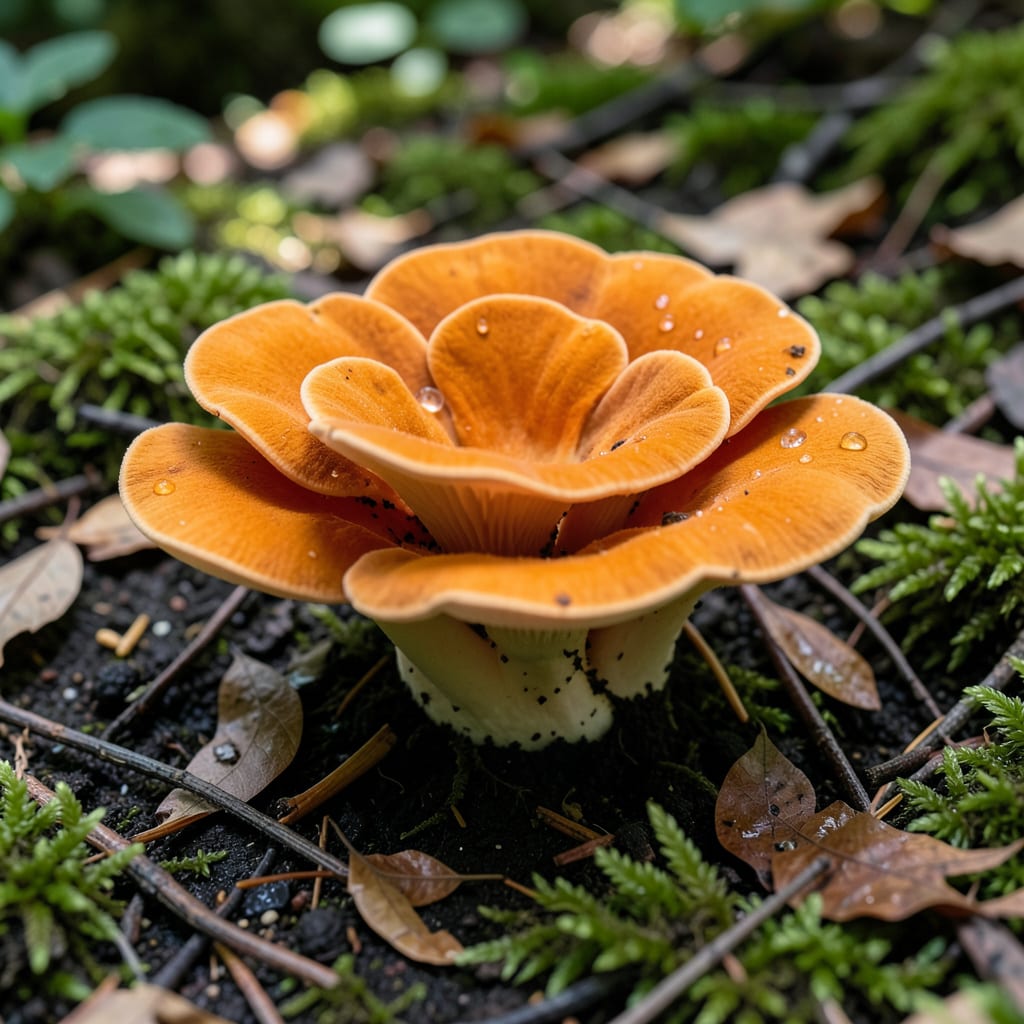
That bright orange patch in your soil isn’t just ugly—it’s your garden waving a red flag. I’ve dealt with my share of fungal surprises, and this one usually means your soil’s either too wet, too compacted, or both.
Most of these orange invaders are harmless to plants, but some can spread or indicate bigger problems below the surface. The good news? You can tackle this without chemicals or backbreaking work.
With a few simple steps, you’ll clear the fungus and prevent it from coming back. The process takes about 20 minutes and uses stuff you already have in your shed.
Works in flower beds, vegetable patches, or even lawn edges. Here’s exactly how to handle it.
The appearance of orange fungus on the ground is typically tied to specific environmental and biological conditions. Below are the primary causes, explained with actionable insights:
Orange fungi, such as Fuligo septica (commonly known as “dog vomit slime mold”), thrive in damp, waterlogged soils. Heavy rainfall, overwatering, or poor drainage creates the perfect breeding ground. These organisms feed on decaying organic matter, so areas with decomposing leaves or wood are especially vulnerable.
Fungi break down dead plant material, and orange varieties often emerge in soil rich in decomposing wood, mulch, or leaf litter. This process is natural but can become unsightly or invasive if organic debris accumulates without proper cleanup.
Most orange fungi prefer temperatures between 60–80°F (15–27°C) with high humidity. Late spring to early fall is peak season for growth, especially in shaded, moist areas where sunlight and airflow are limited.
Soils with excessive nitrogen or low pH (acidic) can encourage fungal growth. Over-fertilization or the use of fresh, nitrogen-rich compost may inadvertently promote orange fungi like slime molds or Aleuria aurantia (orange peel fungus).
Addressing these root causes—improving drainage, removing decaying matter, and balancing soil conditions—can help prevent recurrences.
Dealing with orange fungus on the ground requires targeted action based on the underlying cause. Below are practical solutions for common scenarios, along with prevention tips to keep your outdoor spaces fungus-free.
If the fungus thrives in leaf litter or wood chips, remove the debris first. Rake up fallen leaves, twigs, and mulch to eliminate its food source. Pro tip: 💡 Aerate the soil afterward to improve drainage and discourage regrowth. A simple garden fork works for small areas.
Fungus loves damp conditions. Reduce watering frequency and ensure your yard has proper drainage. For lawns, dethatch to improve airflow. In garden beds, mix in sand or gravel to enhance drainage. 🎯 Quick fix: Redirect downspouts away from affected areas.
If the fungus grows on decaying wood (e.g., stumps or fallen logs), remove the material entirely. For live trees with fungal growth, prune infected branches and apply a fungicide labeled for wood-rotting fungi. Always sterilize pruning tools with rubbing alcohol between cuts.
✨ Prevention: Inspect trees annually for signs of decay and address wounds promptly to prevent fungal entry.
Orange slime mold or dog vomit fungus (Fuligo septica) often appears in pet areas. Scoop up visible growth and sanitize the spot with a 1:10 bleach-water solution (rinse afterward if pets frequent the area). Discourage wildlife by securing trash bins and removing food sources.
🌡️ Pro tip: These fungi are harmless but unsightly—baking soda sprinkles can help dry out small patches naturally.
Most orange ground fungi are harmless but avoid handling slime molds like dog vomit fungus. Wash hands thoroughly after contact.
Typically no—it feeds on decaying matter, not living plants. However, excessive growth may indicate poor soil health needing attention.
In ideal moist conditions, some types can double in size within 24-48 hours. Act quickly to remove organic debris and improve drainage.
Only if your compost reaches 140°F+ to kill spores. Otherwise, dispose in sealed bags to prevent reinfestation.
