
Beautiful Plants For Your Interior
Beautiful Plants For Your Interior
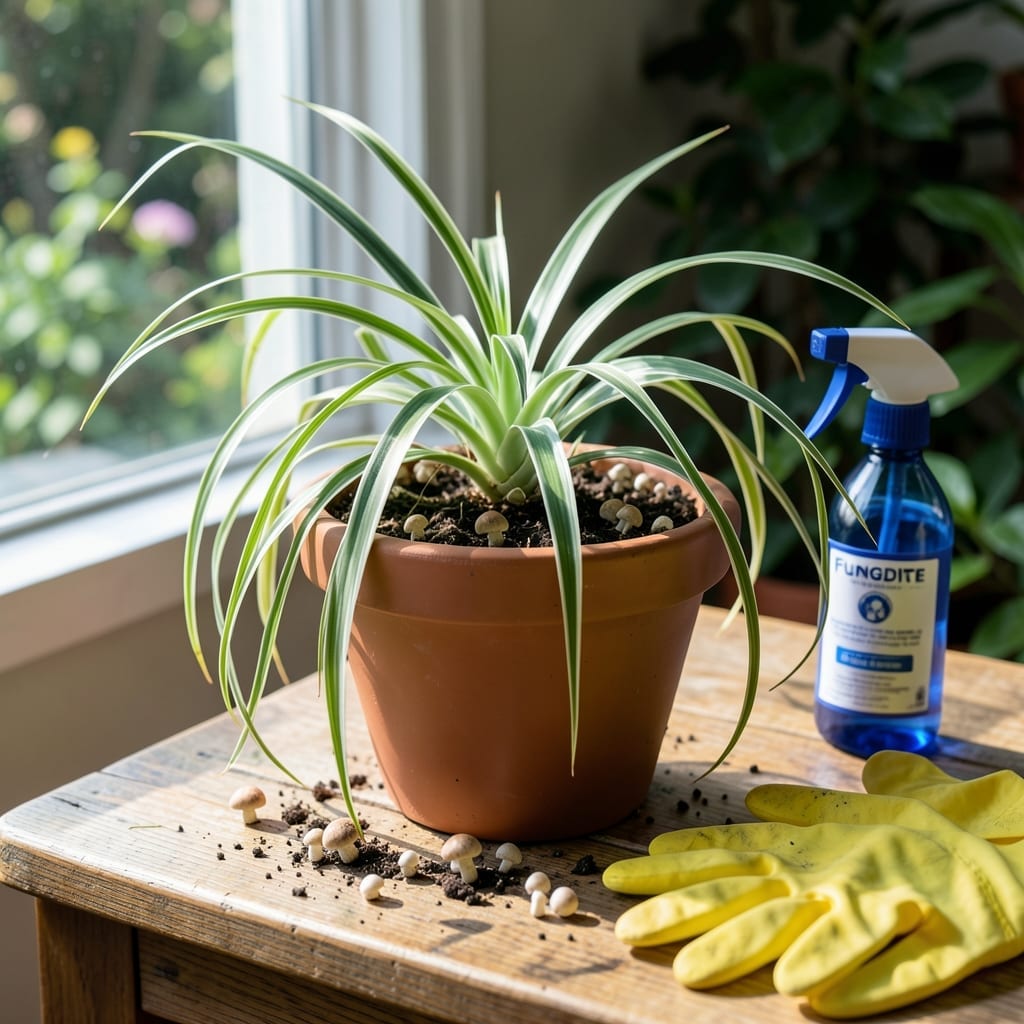
Those little mushrooms in your houseplants aren’t a death sentence. I’ve dealt with this dozen times—it’s usually just excess moisture meeting organic matter.
The fix is simpler than you’d expect. You can use everyday items like cinnamon or hydrogen peroxide as natural fungicides, or opt for commercial products if the issue spreads. The key is acting fast before it affects the roots.
Your plants will bounce back with healthier growth once you address the moisture balance. I’ve saved even my most stubborn ferns with this approach.
Prevention is even easier: adjust watering habits and improve drainage. Here’s how to keep it from happening again.
Mushrooms sprouting in your houseplants aren’t a sign of healthy soil—they’re a red flag for underlying conditions. Here’s why they appear and what’s fueling their growth.
Overwatering is the #1 cause of mushroom growth in potted plants. Fungi thrive in damp, poorly draining soil where oxygen levels drop. When water pools at the roots, it creates the perfect anaerobic environment for spores to germinate. Solution: Let the top 1-2 inches of soil dry out between waterings and ensure pots have drainage holes.
Dead leaves, decaying roots, or old mulch act as a food source for fungi. As organic matter breaks down, it releases nutrients that feed mushroom mycelium. This is common in pots with thick layers of uncomposted bark or leaf litter. Solution: Remove visible debris and replace old potting mix with a fresh, sterile blend annually.
Fungal spores often hitch a ride in unsterilized soil or reused containers. Cheap potting mixes or garden soil may harbor dormant fungi, while previously used pots can retain spores from past infestations. Solution: Use pasteurized potting soil and clean pots with a 10% bleach solution (1 part bleach to 9 parts water) before repotting.
Dark, stagnant corners with high humidity accelerate fungal growth. Houseplants in dimly lit rooms or crowded on shelves trap moisture, creating a microclimate ideal for mushrooms. Solution: Space plants apart, use a small fan for airflow, and rotate pots to ensure even light exposure.
Mushrooms sprouting in your houseplants are usually harmless, but they can signal excess moisture or organic debris. Here’s how to tackle each cause with simple, effective fixes—and keep them from coming back.
If overwatering is the culprit, let the soil dry out completely before watering again. Repot the plant if the soil stays soggy: remove it from the pot, trim any mushy roots, and replace the soil with a fresh, well-draining mix. Use pots with drainage holes to prevent future waterlogging.
Prevention tip: 💡 Stick your finger an inch into the soil—only water when the top layer feels dry.
Mushrooms thrive on decaying leaves, wood, or old mulch. Remove all visible mushrooms (gloves recommended) and sift through the topsoil to pick out organic debris. Replace the top layer with fresh, sterilized potting mix to starve any lingering spores.
Prevention tip: 🌱 Avoid using unsterilized compost or garden soil for indoor plants.
Stagnant air traps moisture and encourages fungal growth. Move your plant to a spot with better airflow, like near an open window (but avoid direct drafts). A small fan on low can also help, but don’t point it directly at the plant.
Prevention tip: ✨ Space out houseplants to allow air to circulate freely between them.
For persistent issues, treat the soil with a natural fungicide. Mix 1 teaspoon of baking soda with a quart of water and lightly spray the soil (avoid the leaves). Alternatively, use a diluted hydrogen peroxide solution (1 part 3% peroxide to 4 parts water) to kill spores without harming roots.
Prevention tip: 🎯 Reapply every 2–3 weeks if mushrooms reappear, and always sterilize pots and tools between uses.
They’re usually not dangerous to the plant itself but indicate underlying issues like overwatering or poor drainage. Address the cause quickly to prevent root rot or spread to other plants.
Yes! A mix of 1 teaspoon baking soda per quart of water or a diluted hydrogen peroxide solution (1:4 ratio with water) works well. Apply lightly to soil, avoiding leaves.
For active growth, apply natural fungicides every 2-3 weeks until resolved. For prevention, treat monthly in high-humidity areas or after repotting.
Only if you use fresh, sterile soil and remove all organic debris. Without addressing moisture or airflow, mushrooms may return. Always clean pots thoroughly first.