
Beautiful Plants For Your Interior
Beautiful Plants For Your Interior
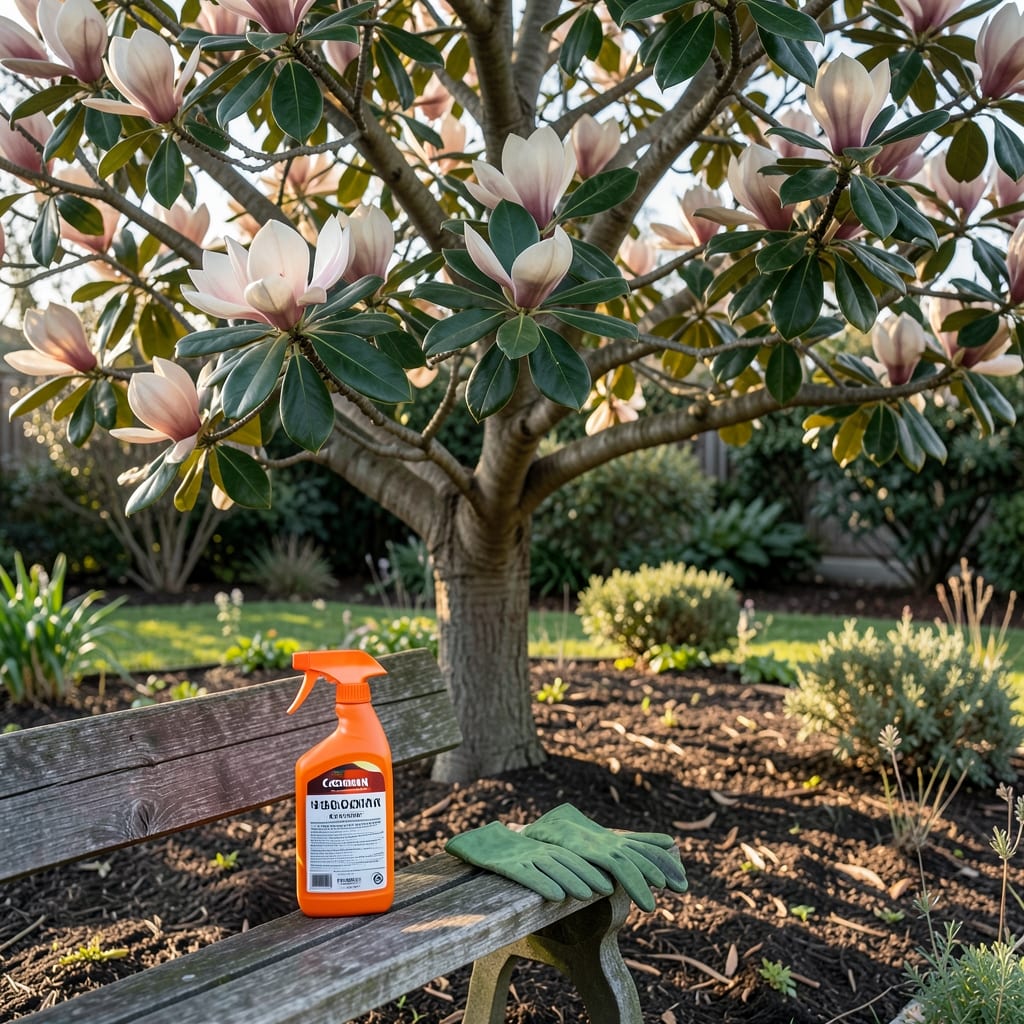
Black spots on your magnolia leaves mean trouble. I’ve lost count of how many trees I’ve seen struggle with fungal issues, but there’s always a way to turn it around.
Organic fungicides can rescue your magnolia without harsh chemicals. The key is catching it early—before the disease spreads to every branch. We keep a garden journal to track symptoms and treatment timing.
Your tree will bounce back with vibrant green foliage within weeks of proper treatment. Prevention is simpler than you think, and the results last for seasons.
Works for all magnolia varieties, from saucer to star. Here’s the foolproof approach we trust.
Magnolia trees are susceptible to fungal diseases due to a mix of environmental, biological, and cultural factors. Understanding these causes is the first step toward effective prevention and treatment. Below are the primary reasons why fungal issues arise in magnolias.
Fungi thrive in damp conditions. Overwatering, poor soil drainage, or prolonged periods of rain can create the perfect breeding ground for pathogens like Cercospora or Phytophthora. Magnolias planted in low-lying areas or heavy clay soils are especially at risk, as waterlogged roots weaken the tree’s natural defenses.
Dense foliage traps humidity and restricts airflow, which encourages fungal spores to settle and multiply. Magnolias with thick, overlapping branches or those planted too closely together are more prone to powdery mildew and leaf spot diseases. Proper pruning to improve ventilation can significantly reduce this risk.
Warm, humid climates are ideal for fungal growth. Magnolias in regions with high summer humidity or sudden temperature swings (e.g., cool nights following warm days) often develop anthracnose or botrytis blight. These conditions accelerate spore germination and infection spread.
Fungal spores can linger on pruning tools, garden equipment, or even in the soil from previously infected plants. Using unsterilized tools or planting magnolias in soil with a history of fungal issues can introduce pathogens directly to the tree. Always disinfect tools with a 10% bleach solution or rubbing alcohol between uses.
Stressed magnolias—whether from drought, nutrient deficiencies, or pest damage—are more vulnerable to fungal attacks. A tree with compromised vigor lacks the resources to fend off infections like root rot or canker diseases. Maintaining balanced soil fertility and consistent watering helps bolster natural resistance.
When your magnolia tree shows signs of fungal trouble, acting quickly with the right fixes can restore its health. Below are targeted solutions for common fungal issues, along with prevention tips to keep your tree thriving.
Fix: Apply a baking soda spray (1 tbsp baking soda, 1 tsp dish soap, 1 gallon water) weekly until the fungus clears. For severe cases, use a neem oil or copper fungicide. Spray in the early morning to avoid leaf burn.
Prevention: Improve air circulation by pruning crowded branches. Avoid overhead watering to reduce moisture on leaves.
Fix: Remove and destroy infected leaves to stop the spread. Treat with a copper-based fungicide or sulfur spray, following label instructions. Reapply after rain.
Prevention: Rake up fallen leaves and debris around the tree. Water at the base to keep foliage dry.
Fix: Improve drainage by amending the soil with compost or sand. Trim affected roots and apply a biofungicide containing Trichoderma to promote healthy root growth.
Prevention: Avoid overwatering and ensure the planting area has good drainage. Use mulch to retain moisture without waterlogging.
With consistent care and the right treatments, your magnolia can bounce back from fungal infections and stay vibrant for years to come.
For active infections, apply fungicide every 7-10 days until symptoms disappear. For prevention, treat every 2-3 weeks during wet seasons. Always reapply after heavy rain.
Yes! Neem oil and baking soda sprays work well for mild cases. For severe infections, copper-based fungicides provide stronger protection without harsh chemicals.
Improve airflow by pruning, water at the base, and remove fallen leaves promptly. Healthy trees resist disease better with proper care.
Apply in early morning when leaves are dry. Avoid treating during peak sun or when rain is forecast within 24 hours.