
Beautiful Plants For Your Interior
Beautiful Plants For Your Interior
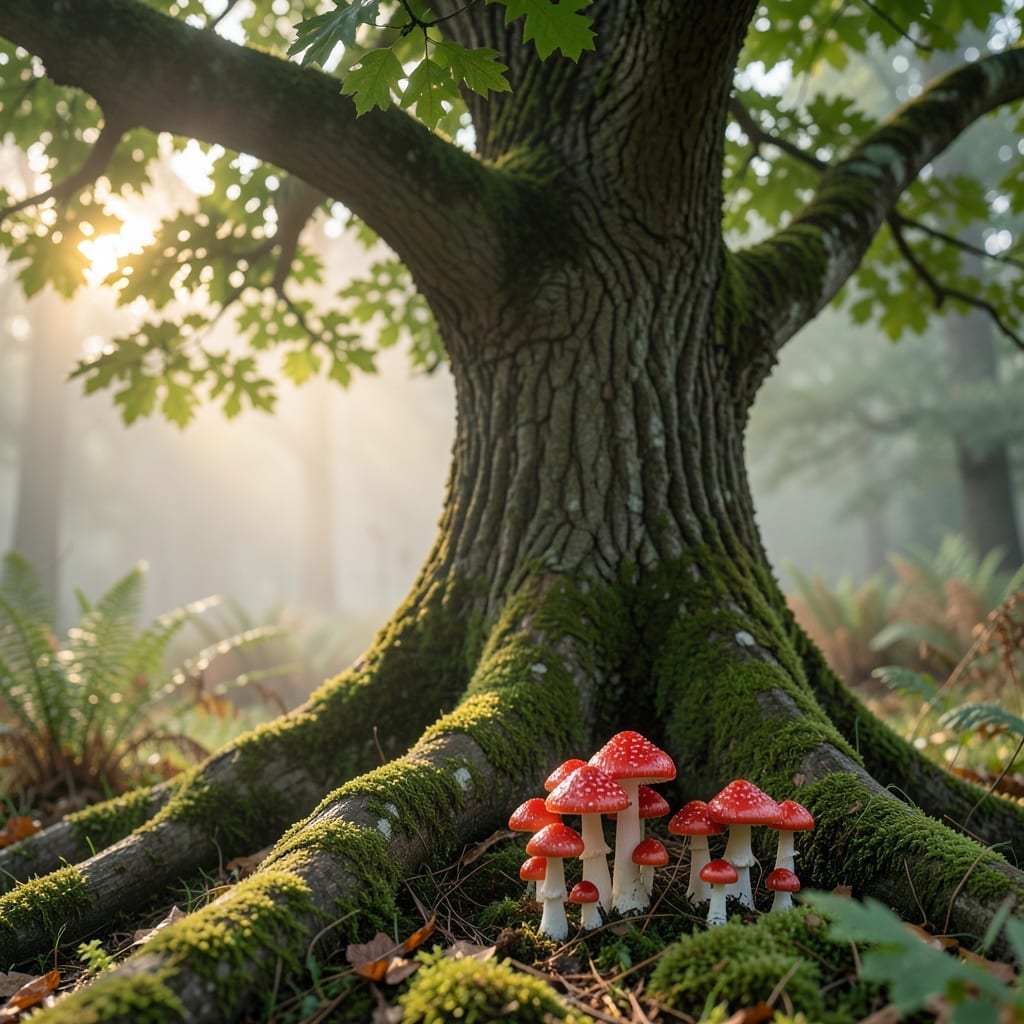
That white fuzz at your tree’s base isn’t just ugly—it’s a warning sign. 🌱 I’ve seen healthy trees decline fast when fungi move in, but catching it early changes everything.
Most cases start with excess moisture or poor drainage. The fungi thrive in damp, dark conditions, often spreading from mulch or decaying leaves. Left unchecked, they’ll weaken the roots and eventually the whole tree.
Fortunately, eco-friendly solutions work without harsh chemicals. Adjusting watering habits, improving airflow, and removing infected material can stop the spread in its tracks.
Prevention is simpler than treatment. A little vigilance now saves you a dying tree later.
Fungi thriving at the base of a tree are often a sign of underlying issues. Understanding the root causes can help you address the problem effectively. Below are the most common reasons why fungi appear in this area.
Fungi flourish in damp environments, and overwatering or poor drainage can create the perfect breeding ground. Trees planted in low-lying areas or clay-heavy soil are especially prone to moisture retention. Solution: Improve drainage by amending the soil with organic matter or installing a French drain.
Falling leaves, mulch, or dead roots accumulate at the tree’s base, providing a rich food source for fungi. As these materials decompose, they attract fungal spores. Solution: Regularly clear debris and avoid piling mulch directly against the trunk.
Injured or diseased roots emit stress signals that attract fungi, which then colonize the weakened tissue. Common culprits include Armillaria (honey fungus) and Ganoderma. Solution: Inspect roots for rot or lesions, and prune affected areas with sterilized tools.
Dense plantings or overgrown shrubs restrict airflow, trapping humidity around the trunk. This stagnant environment encourages fungal growth. Solution: Thin nearby vegetation and ensure adequate spacing for ventilation.
By targeting these causes, you can disrupt the fungal lifecycle and protect your tree’s health.
Addressing fungi at the base of your tree starts with identifying the type and cause. Here’s how to tackle common issues:
Fix: Reduce watering frequency and improve drainage by amending the soil with organic matter like compost. If the area is waterlogged, consider installing a French drain or redirecting water flow away from the tree base.
Prevention tip: 💡 Water deeply but infrequently to encourage deep root growth and avoid soggy soil.
Fix: Remove fallen leaves, mulch, or debris accumulating at the base, as these can harbor fungal spores. Replace old mulch with fresh, dry material and keep it a few inches away from the trunk to allow airflow.
Prevention tip: ✨ Rake and clean the base regularly, especially in damp seasons.
Fix: For mild cases, apply a natural fungicide like neem oil or a baking soda solution (1 tbsp baking soda + 1 gallon of water + a drop of dish soap). For severe infections, consult an arborist to assess if soil drenching with a biofungicide (e.g., Trichoderma) is needed.
Prevention tip: 🎯 Avoid over-fertilizing, which can stress the tree and make it more susceptible to disease.
Fix: Thin out dense foliage around the tree to improve airflow. Prune low-hanging branches to allow sunlight and wind to reach the base, reducing moisture buildup.
Prevention tip: 🌡️ Plant trees with adequate spacing to prevent crowding as they mature.
For persistent or spreading fungi, always confirm the diagnosis with a local extension office or arborist before applying treatments. Early action keeps your tree healthy and your patio looking great!
Not always, but some fungi can signal serious issues. Harmful types like honey fungus attack roots, while others simply decompose organic matter. Early identification is key—watch for wilting or bark discoloration.
Start by clearing debris and improving drainage. For stubborn growth, use a natural fungicide like neem oil or baking soda solution. Always wear gloves when handling fungi.
Only if piled against the trunk. Keep mulch 3-4 inches away from the base and use fresh, dry material. This prevents moisture buildup while still suppressing weeds.