
Beautiful Plants For Your Interior
Beautiful Plants For Your Interior
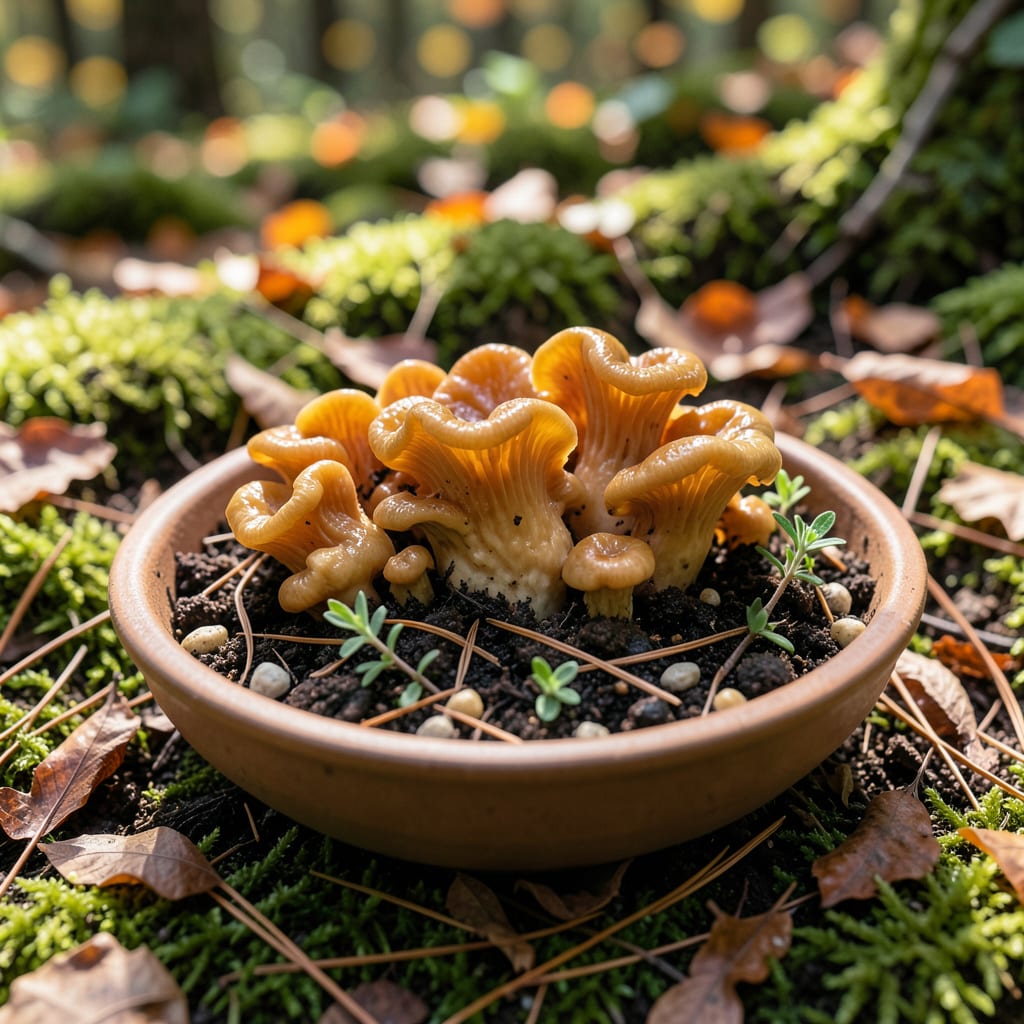
That sickly sweet smell in your garden isn’t good news. Honey fungus spreads underground, choking roots and killing plants before you notice the damage above soil.
I first spotted it when my mature oaks started wilting overnight. The telltale signs—mushrooms at the base, cracked bark, and yellowing leaves—were unmistakable. Early detection means the difference between saving your garden and losing it entirely.
Organic removal starts with isolation and excavation. You’ll need to dig out infected soil and roots, then treat the area with natural fungicides. It’s labor-intensive but 100% necessary to stop the spread.
Prevention is simpler: improve drainage, avoid overwatering, and rotate plant types. Healthy soil resists this silent killer far better than weak, saturated ground.
Honey fungus thrives in soil due to a combination of environmental and biological factors. Understanding these causes helps in prevention and control.
Excess moisture in compacted or clay-heavy soils creates an ideal environment for Armillaria species. Waterlogged roots suffer from oxygen deprivation, weakening the plant and making it more susceptible to infection. Improve drainage with organic matter like compost or sand to break up dense soil.
Honey fungus spreads via rhizomorphs (black, root-like strands) from decaying wood. Old tree stumps, buried roots, or even wooden mulch can harbor the pathogen. Removing infected wood and avoiding contaminated mulch reduces the risk of soil infestation.
This fungus proliferates in temperatures between 60–80°F (15–27°C) with high humidity. Overwatering or poor air circulation in gardens accelerates its growth. Space plants properly and water at the base to minimize moisture on foliage and soil surfaces.
Plants under stress from drought, nutrient deficiencies, or physical damage are prime targets. Honey fungus exploits compromised root systems. Maintain plant health with balanced fertilization and consistent care to bolster natural defenses.
Honey fungus can wreak havoc on your garden, but these practical solutions will help you reclaim healthy soil and protect your plants.
If you spot honey fungus, act fast. Dig up and destroy infected plants, including their roots and surrounding soil. Do not compost them—this could spread the fungus. Bag and dispose of the material in the trash or burn it if local regulations allow.
For a chemical-free fix, try soil solarization. Water the affected area, cover it with clear plastic sheeting, and let the sun bake the soil for 4–6 weeks. The heat will kill the fungus. This works best in hot, sunny weather.
Apply a copper-based fungicide or biological treatments like Trichoderma to suppress honey fungus. Follow the label instructions carefully, and reapply as needed, especially after rain.
Honey fungus thrives in wet, compacted soil. Boost drainage by adding organic matter (compost, leaf mold) or installing drainage systems. Avoid overwatering and ensure your garden beds have proper airflow.
With these steps, you can stop honey fungus in its tracks and keep your garden thriving!
Look for mushrooms at the base of plants, cracked or peeling bark, and wilting foliage. Yellowing leaves and stunted growth are also common signs. Dig near the roots to check for black, root-like strands called rhizomorphs.
If caught early, you might save it by removing infected roots and treating with fungicide. However, severely affected plants should be dug up and destroyed to prevent further spread. Never compost infected material.
Improve drainage, avoid overwatering, and remove dead wood or stumps. Rotate crops and plant resistant species like oak or yew. Clean tools between uses to avoid spreading spores.
