
Beautiful Plants For Your Interior
Beautiful Plants For Your Interior
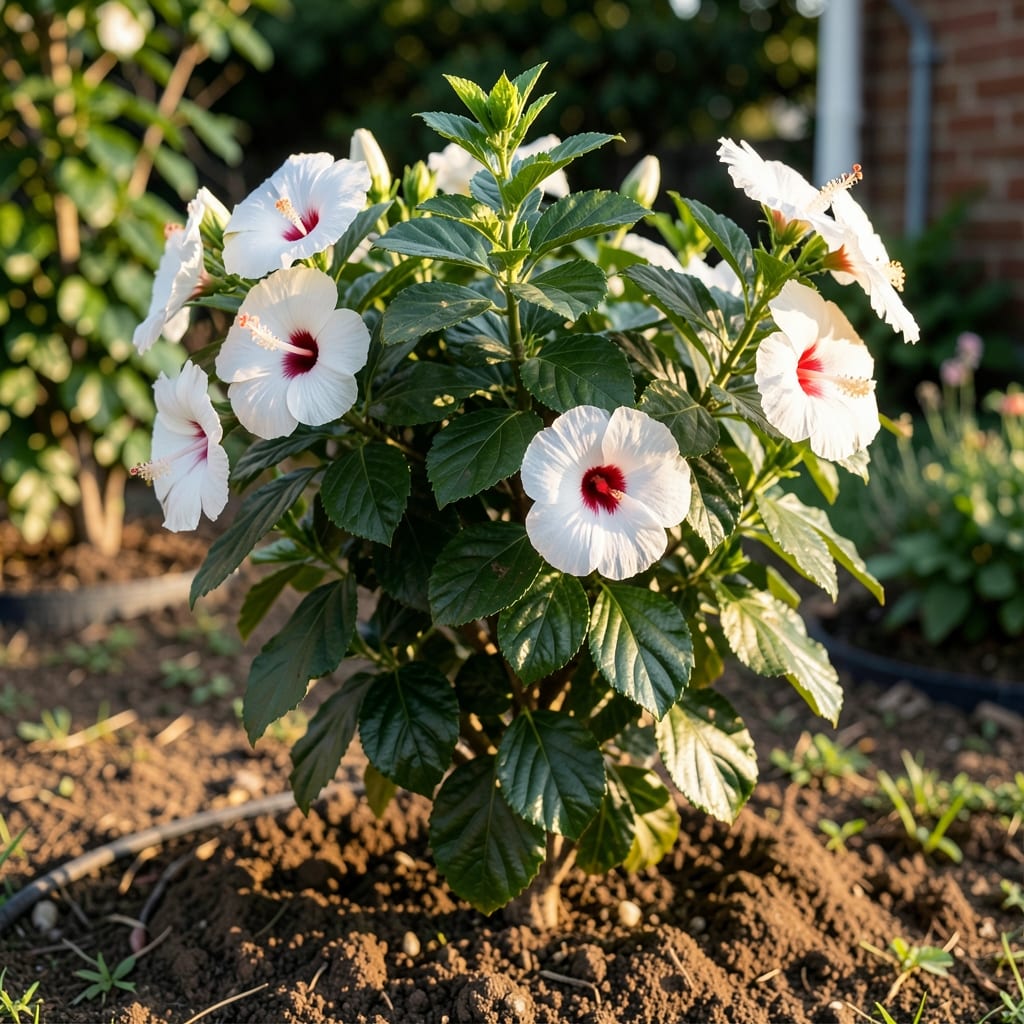
That first whiff of white hibiscus on a summer evening sold me on this tropical stunner. The flowers open pure white, then blush pink as they age, releasing a sweet perfume that fills the garden.
It thrives in full sun with consistent moisture, rewarding you with 6-inch blooms from midsummer until frost. The glossy leaves and dramatic flowers create a resort-like vibe in any backyard.
📚 In This Guide
Here’s the method I use to cultivate these stunning, fragrant blooms with consistent success.
Choose a spot with full sun to partial shade, as fragrant white hibiscus thrives in 6-8 hours of sunlight daily. I’ve found that morning sun with afternoon shade prevents leaf scorch in hotter climates while still encouraging abundant blooms.
Ensure the soil is well-draining and rich in organic matter. Test drainage by digging a 12-inch hole and filling it with water—if it drains within 1-2 hours, you’re good to go. Poor drainage leads to root rot, which these plants despise.
Amend the planting area with compost or well-rotted manure to improve fertility and structure. I work in a 2-3 inch layer of organic matter into the top 6-8 inches of soil. This creates a loose, nutrient-rich environment that encourages strong root development.
A soil pH of 6.0-7.0 is ideal. If your soil is too acidic or alkaline, adjust it with lime or sulfur before planting. A simple soil test kit will give you the precise reading you need to make the right adjustments.
Dig a hole twice as wide and just as deep as the root ball. Gently remove the plant from its container, loosening any circled roots to encourage outward growth. Place the hibiscus in the hole so the top of the root ball is level with the surrounding soil.
Backfill with native soil, pressing lightly to remove air pockets. Water deeply to settle the soil, then add a 2-3 inch layer of mulch around the base to retain moisture and suppress weeds. Keep mulch 3-4 inches away from the stem to prevent rot.
Water newly planted hibiscus deeply 2-3 times per week for the first month, then taper to 1-2 times weekly once established. The goal is to keep the soil evenly moist but not soggy—stick your finger 1 inch into the soil, and if it feels dry, it’s time to water.
Feed with a balanced, water-soluble fertilizer every 2-4 weeks during the growing season. I switch to a low-phosphorus formula in late summer to encourage more blooms. Watch for yellowing leaves, which often signal overwatering or nutrient deficiency.
Prune in early spring to remove dead or diseased wood and shape the plant. I cut back leggy stems by one-third to encourage bushier growth. Always use clean, sharp pruners to make precise cuts just above a leaf node or bud.
Monitor for pests like aphids or whiteflies, which are drawn to new growth. A strong blast of water or insecticidal soap usually keeps them in check. With proper care, your fragrant white hibiscus will reward you with stunning, sweet-scented flowers all season long.
Small adjustments in planting and care make a world of difference for these tropical beauties.
Sunlight Strategy: The 6 hours of direct sunlight in Step 1 is non-negotiable for abundant blooms. I learned this the hard way after planting in a shady spot and wondering why my hibiscus looked sad. Morning sun with afternoon shade works best in hot climates to prevent leaf scorch.
Planting Depth Secret: In Step 2, placing the root ball 1 inch above soil level prevents waterlogging as the plant settles. I always mound the soil slightly around the base to encourage proper drainage. This small detail saves more hibiscus from root rot than any other technique.
Watering Wisdom: The 2-3 times weekly watering in Step 3 is just a starting point. Check soil 2 inches down—if it’s dry, water deeply. During heatwaves, daily watering at the base (never overhead) keeps foliage healthy and prevents fungal issues.
Pruning Precision: That one-third height reduction in Step 5 feels drastic, but it’s the secret to bushier growth and more flowers. Make those 45-degree angle cuts just above leaf nodes to direct energy where it matters most.
Keep it in well-draining soil with full sun to partial shade. Water regularly but avoid soggy roots. Fertilize monthly in growing season with a balanced mix for vibrant blooms.
Typically, it blooms from late spring to fall, with peak flowers in summer. Warm climates may enjoy year-round blooms with proper care and consistent warmth.
Common causes include insufficient sunlight, over- or under-watering, or nutrient deficiencies. Check for pests like aphids, which can stress the plant and hinder blooming.
Yes! Consider hardy hibiscus varieties like Hibiscus moscheutos or grow fragrant white hibiscus in containers to bring indoors during winter frosts.
Yellow leaves often signal overwatering, poor drainage, or iron deficiency. Adjust watering habits, improve drainage, or use an iron supplement to restore health.