
Beautiful Plants For Your Interior
Beautiful Plants For Your Interior
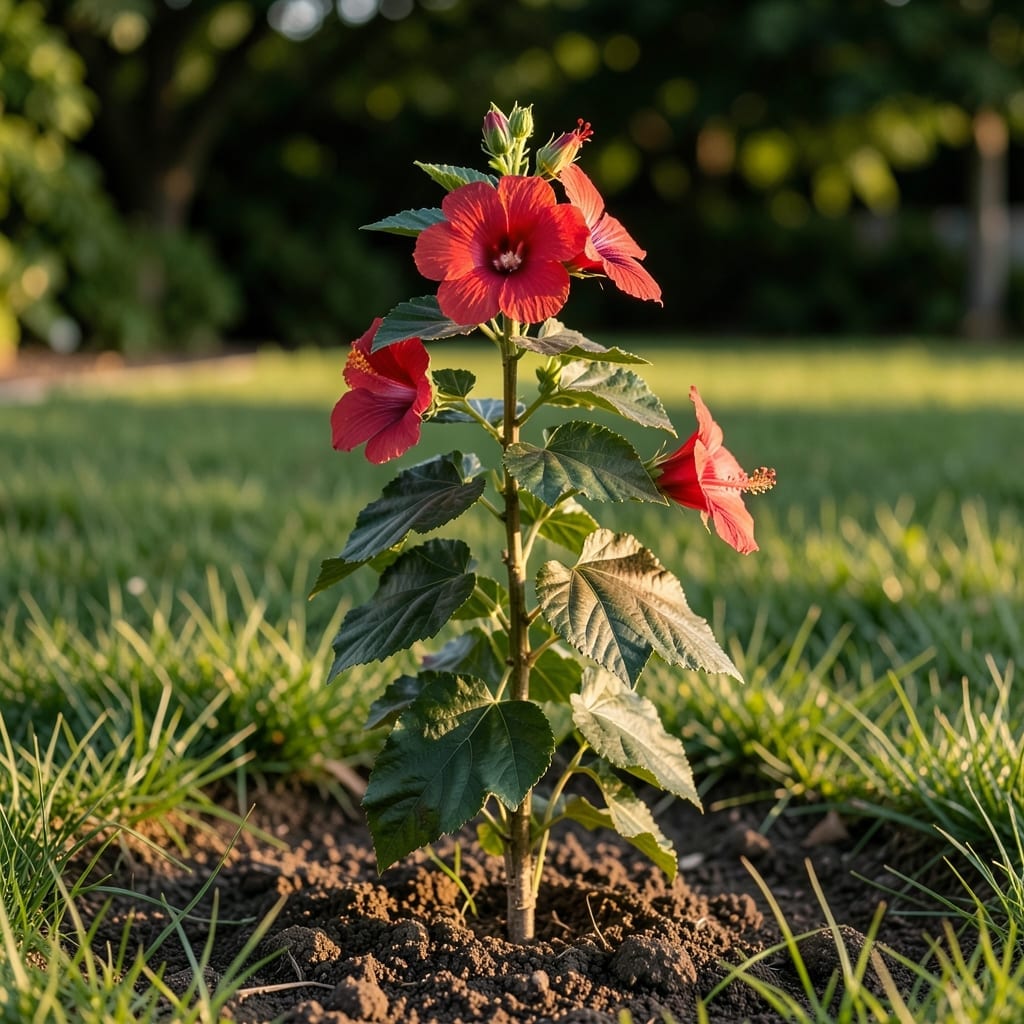
There’s nothing quite like watching your garden burst to life with stunning flowers each summer. The Hardy Hibiscus 🌺 stands out with its massive, show-stopping blooms that can transform any landscape.
But timing is everything when it comes to enjoying these beauties. Knowing when to expect those dramatic flowers helps you plan and care for your plants more effectively.
I’ve learned that these perennials have a distinct bloom window, typically from July to September, though climate and care can shift this slightly. The wait is always worth it.
Discover how to make the most of your Hardy Hibiscus bloom time and keep your garden vibrant all season long. Let’s get started.
I’ve found that hardy hibiscus typically bursts into bloom from mid to late summer, with the first flowers often appearing in July across most regions. This timing aligns beautifully with the heat of the season, as these plants thrive in warm conditions.
The peak bloom period usually spans 6-8 weeks, with individual flowers lasting just 1-2 days each. However, new blooms open daily during this window, creating a continuous display of dinner-plate-sized flowers. ☀️
| Bloom Stage | Timing | USDA Zones |
| First Blooms | Early July | 5-9 |
| Peak Season | Mid-July to August | 4-9 |
| Late Blooms | Early September | 6-9 |
| Frost Ends Blooms | First Frost | 4-8 |
In cooler climates like USDA Zone 4, the bloom time may shift slightly later, often starting in late July and continuing until the first frost. The plants need that extra warmth to trigger flowering.
For warmer zones such as Zone 9, you might see blooms as early as June. The extended growing season gives these plants a head start, and they often produce flowers well into early fall.
I’ve noticed that microclimates play a big role too. A south-facing garden or an area protected from wind can encourage earlier blooming. Conversely, shady spots may delay flower production by 2-3 weeks.
Another factor is the hibiscus variety. Some cultivars like ‘Lord Baltimore’ or ‘Disco Belle’ are known for their early bloom habits, while others may take their time to show off their flowers.
Soil temperature also matters. Hardy hibiscus prefers warm soil—ideally 60-70°F—to start blooming. If spring has been cool, the flowers may appear later than usual.
In my experience, consistent watering in the weeks leading up to bloom time helps ensure a strong flower show. Drought stress can delay or reduce flowering, so keep the soil evenly moist. 🌿
Finally, remember that first-year plants may bloom later or less profusely than established ones. They’re still getting settled in your garden. By the second year, you’ll typically see the full spectacular display these plants are known for.
I love how hardy hibiscus lights up gardens with its giant flowers each summer. But did you know you can extend the bloom season with a few simple tricks? These perennials naturally flower from July to September, but smart care can push those dates further.
First, deadhead spent blooms regularly to encourage new ones. This prevents the plant from wasting energy on seed production and redirects it to more flowers. I do this every 2-3 days during peak bloom.
Next, ensure your hibiscus gets enough sun. These plants thrive in full sun and may produce fewer blooms in shade. I’ve noticed my sunniest plants always bloom first and longest.
Watering plays a huge role too. Deep watering once or twice a week is better than frequent shallow watering. This encourages strong root growth, which supports more blooms over a longer period.
Don’t forget balanced fertilizer. I use a 10-10-10 formula every 4-6 weeks during the growing season. This gives the plant the nutrients it needs for extended flowering without overstimulating foliage.
Finally, watch for pests or diseases that can stress the plant. Healthy hibiscus plants bloom longer, so I keep an eye out for aphids or powdery mildew and address issues promptly.
With these simple steps, you can enjoy those stunning dinner-plate blooms well into early fall ☀️