
Beautiful Plants For Your Interior
Beautiful Plants For Your Interior
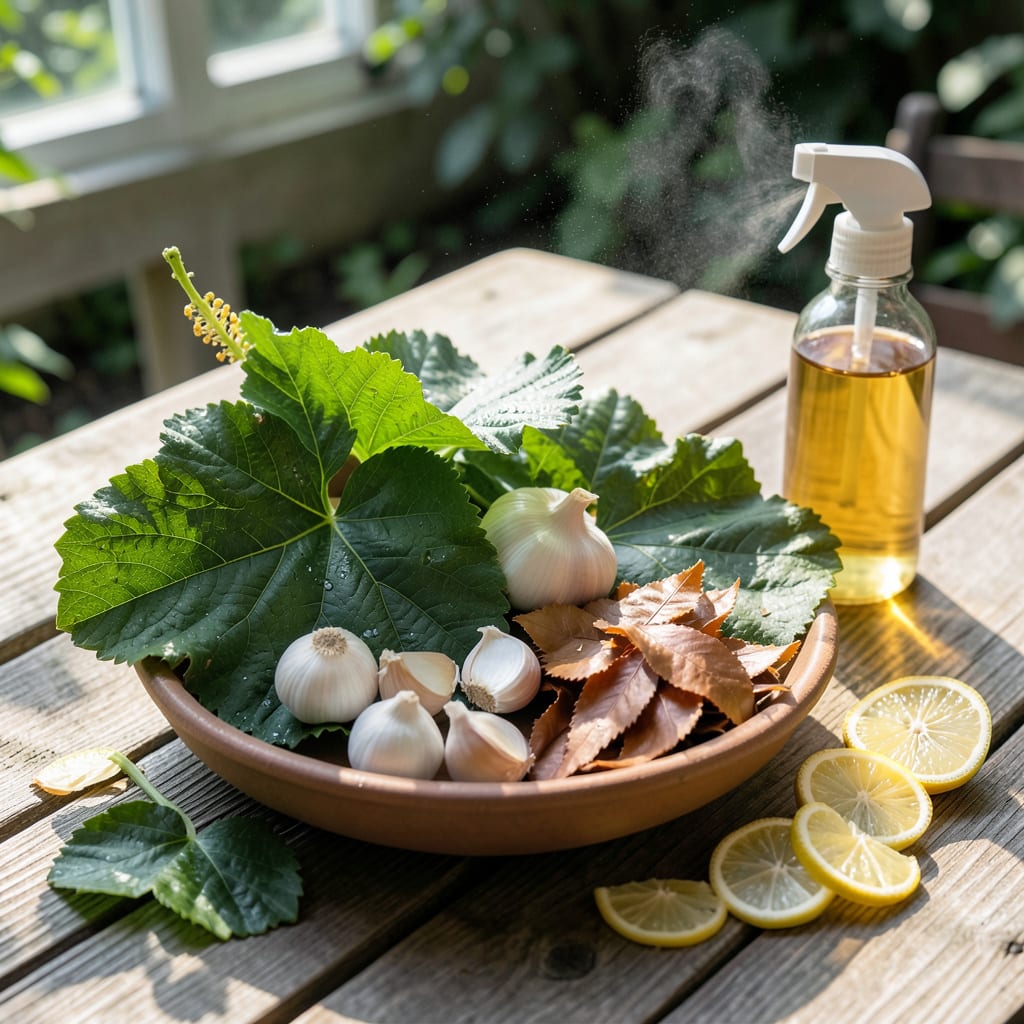
That white powder on your hibiscus leaves isn’t just unsightly—it’s stealing your plant’s vigor. I’ve battled this exact issue and found the solution lies in early action and simple remedies.
Powdery mildew thrives in humid conditions with poor air circulation. The good news? You can reverse the damage with ingredients from your kitchen or garden shed. No fancy equipment needed.
Within 7-10 days of treatment, you’ll notice new growth emerging clean and healthy. The blooms return bigger and more vibrant than before the infection.
Works for potted plants, garden specimens, and even tropical hibiscus varieties. Here’s how to stop the spread and prevent future outbreaks.
White fungus on hibiscus, often caused by Oidium or Sphaerotheca species, thrives under specific environmental and cultural conditions. Understanding these triggers helps prevent outbreaks and keeps your plants vibrant. Below are the primary causes, explained scientifically yet simply.
Powdery mildew, the most common white fungus on hibiscus, flourishes in humidity levels above 60% combined with stagnant air. Spores germinate on leaf surfaces when moisture lingers, especially in shaded or crowded plantings. Hibiscus leaves with dense foliage trap humidity, creating a microclimate ideal for fungal growth.
Wetting the foliage during watering directly promotes fungal spores to adhere and germinate. Hibiscus leaves that remain damp for extended periods (especially overnight) are prime targets. This is why drip irrigation or soaker hoses are recommended over sprinklers.
White fungus proliferates in temperatures between 60–80°F (15–27°C), especially when daytime warmth is followed by cool, dewy nights. These conditions accelerate spore production. Hibiscus grown in greenhouses or indoor settings with poor ventilation are particularly susceptible.
When hibiscus plants are spaced too closely, reduced airflow and increased leaf-to-leaf contact spread fungal spores rapidly. This is common in container gardens or dense landscapes where pruning and thinning are neglected.
Excess nitrogen fertilization encourages lush, soft growth that’s more vulnerable to fungal attacks. Conversely, low potassium levels weaken plant cell walls, reducing natural resistance. A balanced fertilizer (e.g., 10-10-10) supports healthier, more resilient hibiscus.
White fungus on your hibiscus can be frustrating, but don’t worry—these solutions are simple and effective. Below, we break down the most common causes and their fixes, plus tips to keep your plant thriving. 🌿
Fungus thrives in stagnant, humid air. Thin out dense foliage with clean pruning shears to allow airflow between branches. Space potted hibiscus plants at least 2 feet apart. If growing indoors, use a small fan on low to keep air moving gently. Prevention tip: Avoid overcrowding and prune regularly to maintain good circulation.
Too much moisture is a major culprit. Water only when the top inch of soil feels dry. Always water at the base—never overhead—to keep leaves dry. Use well-draining soil and pots with drainage holes. Prevention tip: A moisture meter can help you avoid guesswork.
For active infections, spray affected areas with a neem oil solution (1 tbsp neem oil + 1 tsp dish soap + 1 quart water) every 7–10 days. Alternatively, use a baking soda spray (1 tsp baking soda + 1 quart water + a few drops of soap). Apply in the early morning or late evening. Prevention tip: Remove fallen leaves and debris to reduce spore buildup.
If humidity is above 60%, consider a dehumidifier near indoor plants. Outdoors, ensure the planting area gets at least 6 hours of sunlight daily. Prevention tip: Water early in the day so foliage dries before evening.
With consistent care and these targeted fixes, your hibiscus will bounce back with vibrant, fungus-free blooms in no time. 🌺
Yes, a diluted vinegar solution (1 tablespoon white vinegar to 1 gallon of water) can help. Spray lightly on affected leaves, but avoid overuse as it may harm the plant. Test on a small area first.
Apply a neem oil mixture every 7-10 days until the fungus clears. Always spray in the early morning or late evening to prevent leaf burn from the sun.
Yes, powdery mildew spores can spread through air or water. Isolate infected plants and avoid overhead watering to prevent contamination.
Remove severely infected leaves to stop the spread, but avoid excessive pruning. Dispose of the leaves in the trash, not compost, to prevent reinfection.
