
Beautiful Plants For Your Interior
Beautiful Plants For Your Interior
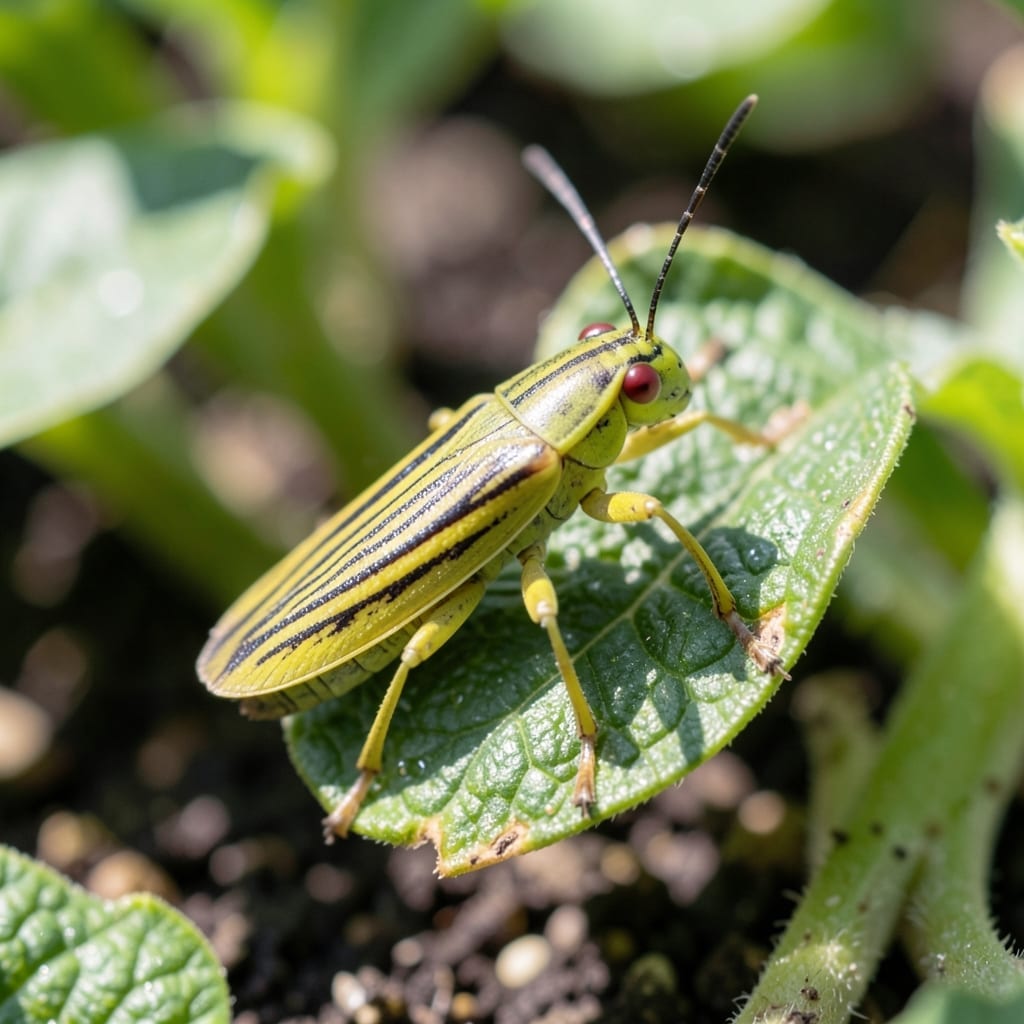
Those tiny yellow-and-black striped bugs wreaking havoc on your plants? That’s the four-lined plant bug. I first noticed them after my mint leaves started looking like Swiss cheese, and they spread faster than you’d expect.
They target over 250 plant varieties, from herbs to ornamentals, piercing leaves to suck out sap. The damage starts as small brown spots that quickly expand, often killing new growth if left unchecked.
Here’s the thing—these pests are most active in late spring through early summer. Catching them early makes all the difference, but you’ll need to know exactly what to look for.
Organic controls work surprisingly well, but timing is everything. I’ll walk you through the visual clues and the most effective ways to stop them in their tracks.
The “four-lined plant bug” thrives due to specific environmental and behavioral factors. Understanding these causes helps gardeners prevent and control infestations effectively.
These bugs are highly attracted to a wide range of ornamental plants, including hibiscus, dogwood, azaleas, and viburnum. They lay eggs in the plant tissue, and the nymphs feed on the sap once they hatch. Gardens with dense, diverse plantings of their preferred hosts are at higher risk.
Four-lined plant bugs are most active during late spring to early summer when temperatures rise. They thrive in moderate climates (60–80°F) and become dormant in extreme heat or cold. This seasonal behavior makes early detection critical before populations explode.
Unlike some pests, these bugs have few natural predators in gardens. Birds and beneficial insects often avoid them due to their unpleasant taste (a defense mechanism from their host plants). Without biological controls, their numbers can grow unchecked.
Excess moisture in soil or foliage creates ideal conditions for egg-laying and nymph survival. Damp, shaded areas with poor airflow encourage their proliferation, as they prefer tender, well-hydrated plant tissue for feeding.
Dealing with a four-line bug infestation in your garden? Here’s how to tackle it effectively with practical, step-by-step solutions for each common cause.
If soggy soil is attracting these pests, reduce watering immediately. Allow the top 1-2 inches of soil to dry out between waterings. Use a moisture meter to monitor levels, and ensure pots have drainage holes. Prevention tip: Water early in the day so excess moisture evaporates quickly.
Four-line bugs thrive in leaf litter and plant debris. Remove fallen leaves, weeds, and dead plant matter from your garden beds regularly. Keep mulch thin (no more than 2 inches) and away from plant stems. Prevention tip: Rake and compost debris weekly to disrupt their habitat.
Dense foliage traps moisture and provides hiding spots. Prune overgrown branches and thin out crowded plants to improve airflow. Space plants according to their mature size to prevent future issues. Prevention tip: Use companion planting with pest-repelling herbs like rosemary or lavender.
Introduce beneficial insects like ladybugs, lacewings, or parasitic wasps, which prey on four-line bugs. Avoid broad-spectrum pesticides that harm these allies. Prevention tip: Plant nectar-rich flowers (e.g., alyssum, daisies) to attract and sustain predator populations.
For severe infestations, apply insecticidal soap or neem oil directly to the bugs, focusing on the undersides of leaves. Reapply every 5-7 days or after rain. Prevention tip: Test sprays on a small area first to avoid plant damage, and always follow label instructions.
Pro tip 💡: Regularly inspect your garden for early signs of four-line bugs—catching them early makes control much easier!
These bugs target over 250 plant varieties, especially mint, basil, hibiscus, and azaleas. They’re drawn to tender new growth and sap-rich leaves, so young plants are often hit hardest first.
Look for small brown or yellow spots on leaves that expand into larger dead areas. New growth may wilt or appear stunted. Check leaf undersides for the yellow-and-black striped nymphs.
Unfortunately, these bugs have few natural predators due to their bitter taste. Birds and beneficial insects usually avoid them, making manual removal or targeted sprays more effective.
Act at first signs of damage, typically in late spring to early summer. Treat in the early morning when bugs are less active. Reapply treatments every 5-7 days until gone.