
Beautiful Plants For Your Interior
Beautiful Plants For Your Interior
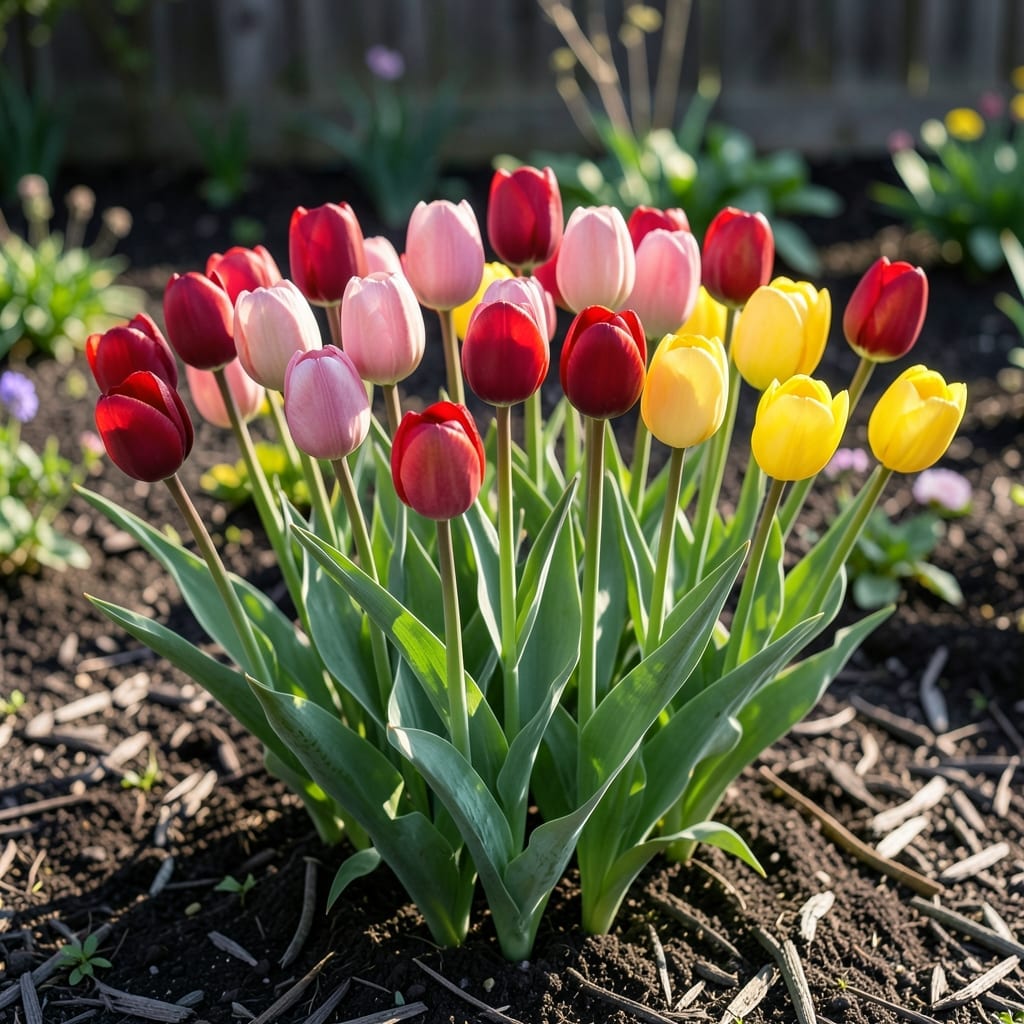
My garden transformed when I started treating flower beds like living paintings. The right arrangement turns a flat space into a 3-season masterpiece with color, texture, and movement.
Height matters most—tall plants in back, medium in middle, cascading along the edges. I learned this the hard way after my first attempt looked like a wild jungle. Now I plan for 12-18 inches between plants so each has room to shine.
What you get is a bed that looks professional from day one. The colors pop against each other, the foliage creates depth, and the whole design feels intentional. Pollinators show up in droves, and neighbors stop to admire.
Works for sunny borders, shady corners, or that tricky spot by the mailbox. The key is starting with a simple sketch and a few well-chosen varieties.
Understanding why flowers pop up in your garden beds can help you manage—or encourage—their growth. Here are the most common causes:
Many flowers self-seed, meaning they drop seeds that germinate in the same spot or nearby. Wind, birds, or water can carry these seeds into your garden beds, leading to unexpected blooms. Action: Identify the plants and decide whether to keep or remove them.
If you’ve planted flowers in the past, their roots or bulbs may still be alive underground. Some perennials lie dormant and reappear when conditions are right. Action: Dig gently to check for lingering roots or bulbs.
Bees, butterflies, and other pollinators can transfer seeds or pollen between plants, leading to new growth in your beds. This often happens if you have wildflowers or open-pollinated varieties nearby. Action: Observe pollinator patterns to predict where new flowers might emerge.
Turning or tilling the soil can bring buried seeds to the surface, where they germinate with sunlight and water. This is common in beds with rich, undisturbed soil. Action: Use mulch to suppress unwanted growth or embrace the surprise blooms.
Dealing with unwanted plant growth in your garden beds? Here’s how to tackle common causes and restore your flower beds to their full glory.
If your flowers are competing for space, thin out overgrown plants to allow proper airflow and sunlight. Dig up excess plants and replant them elsewhere or share with neighbors. Prevention tip: 💡 Follow spacing guidelines on seed packets or plant tags when initially planting.
Weeds stealing nutrients? Pull them by hand (roots and all!) or use a hoe for larger patches. Then, apply a 2-3 inch layer of mulch to suppress future growth. Prevention tip: 🎯 Lay down landscape fabric before planting, then top with mulch for extra protection.
Soggy beds drowning your blooms? Mix in compost or sand to improve drainage. For severe cases, consider installing a French drain. Prevention tip: ✨ Test soil drainage before planting by digging a 1-foot hole, filling it with water, and checking how long it takes to drain.
Spotted wilting leaves or chewed petals? Remove affected plants to prevent spread, then use neem oil or insecticidal soap for pests. For fungal issues, apply a baking soda spray (1 tsp baking soda + 1 quart water + a few drops of soap). Prevention tip: 🌡️ Rotate crops yearly and avoid overhead watering to keep foliage dry.
With these fixes, your flower beds will thrive—no green thumb required!
Start with your light conditions: full sun, partial shade, or full shade. Then pick a color scheme and mix heights for visual interest.
Follow seed packet guidelines, but generally allow 12-18 inches between plants. This prevents overcrowding and promotes healthy growth.
Apply a 2-3 inch layer of mulch after planting. It suppresses weeds while retaining moisture. Pull any weeds by hand as soon as they appear.
Perennials provide structure year after year, while annuals add seasonal color. Just ensure both types thrive in the same light and soil conditions.