
Beautiful Plants For Your Interior
Beautiful Plants For Your Interior
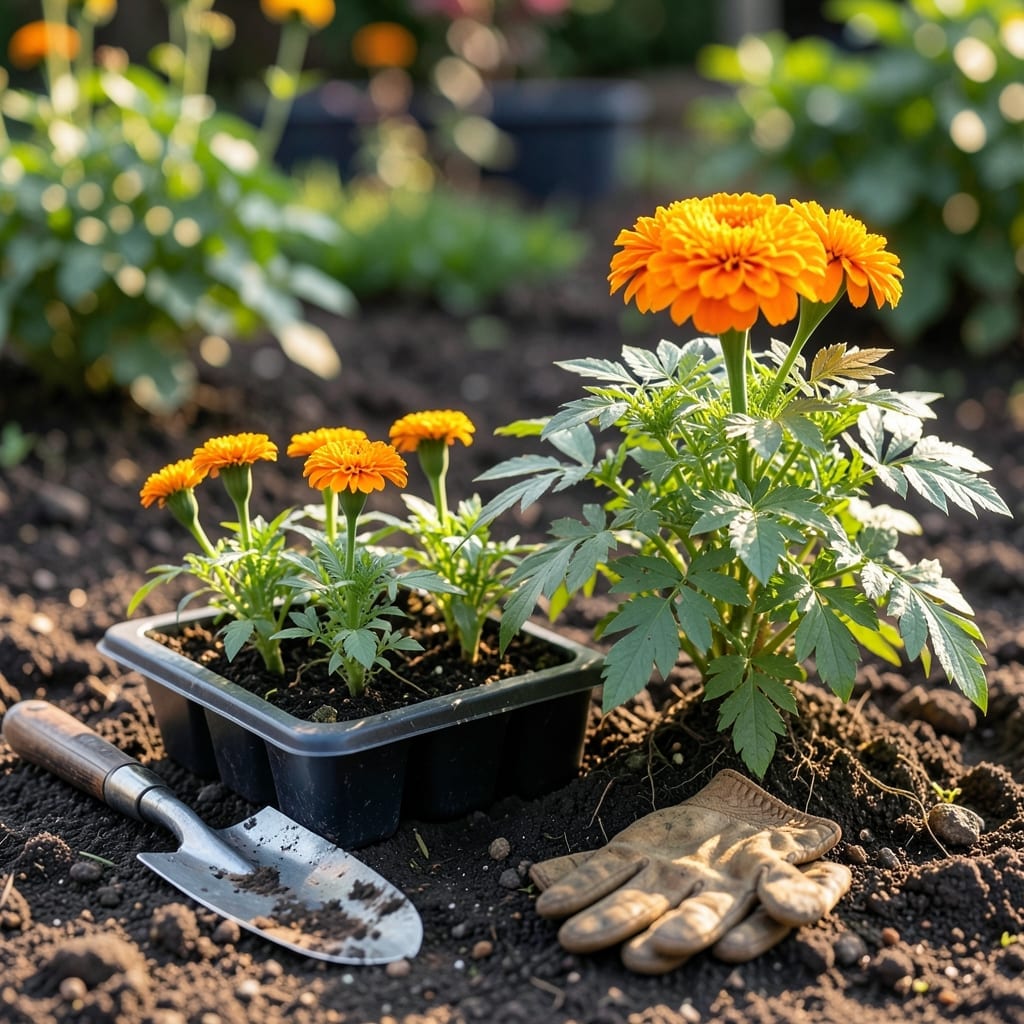
Timing is everything when planting Flowers in New Jersey—get it right, and you’ll enjoy vibrant blooms from spring through fall. Get it wrong, and you risk frost damage or stunted growth.
As a gardener in USDA Zones 6a-7a, you have two prime windows: early spring and late summer. The key is knowing when your soil is ready and when the last frost has passed.
I’ve spent years testing planting schedules in my own garden, and the results are clear. Whether you’re planting annuals, perennials, or bulbs, timing makes all the difference.
Discover the exact months to plant 🌸 for maximum impact and how to prepare your garden for success. Let’s dig in.
In New Jersey, the USDA Zones 6-7 climate means we have a 180-day growing season. This gives us a solid window for planting flowers, but timing is key to avoid late frosts or summer heat stress. 🌿
Our last frost date is typically April 15, while the first frost arrives around October 15. These dates are your anchor points for planning when to plant annuals, perennials, and bulbs. 🌱
| Flower Type | Best Planting Time | Key Notes |
|---|---|---|
| Annuals | After April 15 | Avoid frost risk |
| Perennials | Early spring or fall | Allows root establishment |
| Spring Bulbs | October-November | Plant before ground freezes |
| Summer Bulbs | After May 1 | Warm soil required |
For annual flowers like marigolds or zinnias, I always wait until after April 15 to plant. This ensures the soil is warm enough and the risk of frost has passed. These plants thrive in warmer temperatures and will give you continuous blooms through fall.
Perennials are more forgiving. I plant them in early spring as soon as the ground is workable, or in early fall to give roots time to establish before winter. Coneflowers and black-eyed Susans are great choices for NJ gardens. They’re hardy and come back year after year with minimal care.
Spring bulbs like tulips and daffodils need to be planted in fall, ideally between October and November. This allows them to develop roots before the ground freezes. I always mark their location so I don’t accidentally dig them up in spring!
For summer bulbs such as dahlias or gladiolus, wait until the soil temperature reaches at least 60°F, usually after May 1. These bulbs are tender and won’t survive if planted too early in cold soil. I check the soil temperature with a simple thermometer to be sure.
If you’re eager to get a head start, consider starting seeds indoors about 6-8 weeks before the last frost date. This works well for flowers like petunias and geraniums. Just be sure to harden off the seedlings before transplanting them outside.
Remember, microclimates can affect planting times. Areas near buildings or pavement may be warmer, allowing for earlier planting. Conversely, low-lying spots might stay colder longer. I always observe my garden’s specific conditions to fine-tune my planting schedule.
Finally, soil preparation is crucial. Before planting, I loosen the soil and mix in compost or other organic matter. This improves drainage and provides essential nutrients. Healthy soil means stronger plants that can better withstand pests and diseases. ✂️
New Jersey’s USDA Zones 6a-7a offer a fantastic range of flowers that thrive in our climate. I’ve found that native perennials like black-eyed Susans and coneflowers are foolproof choices for beginners and experts alike.
For early blooms, start tulips and daffodils in October for spring color. Annuals like marigolds and zinnias do best after the last frost in mid-April, when soil warms up.
If you want continuous blooms, I recommend staggering your planting. Start with cool-season annuals like pansies in early spring, then transition to heat-loving petunias once temperatures rise.
Soil preparation is just as important as timing. I always amend my beds with compost before planting, which gives flowers a strong start. For clay-heavy soil, adding sand or peat moss improves drainage.
Don’t forget about fall planting! Many perennials and bulbs benefit from the cooler temperatures and moist soil of autumn. This gives roots time to establish before winter dormancy.
Finally, keep an eye on the weather forecast. A sudden late frost can damage tender new plants, so I always have frost cloth on hand for unexpected cold snaps. With the right timing and care, your NJ garden can burst with color from spring to fall 🌷