
Beautiful Plants For Your Interior
Beautiful Plants For Your Interior
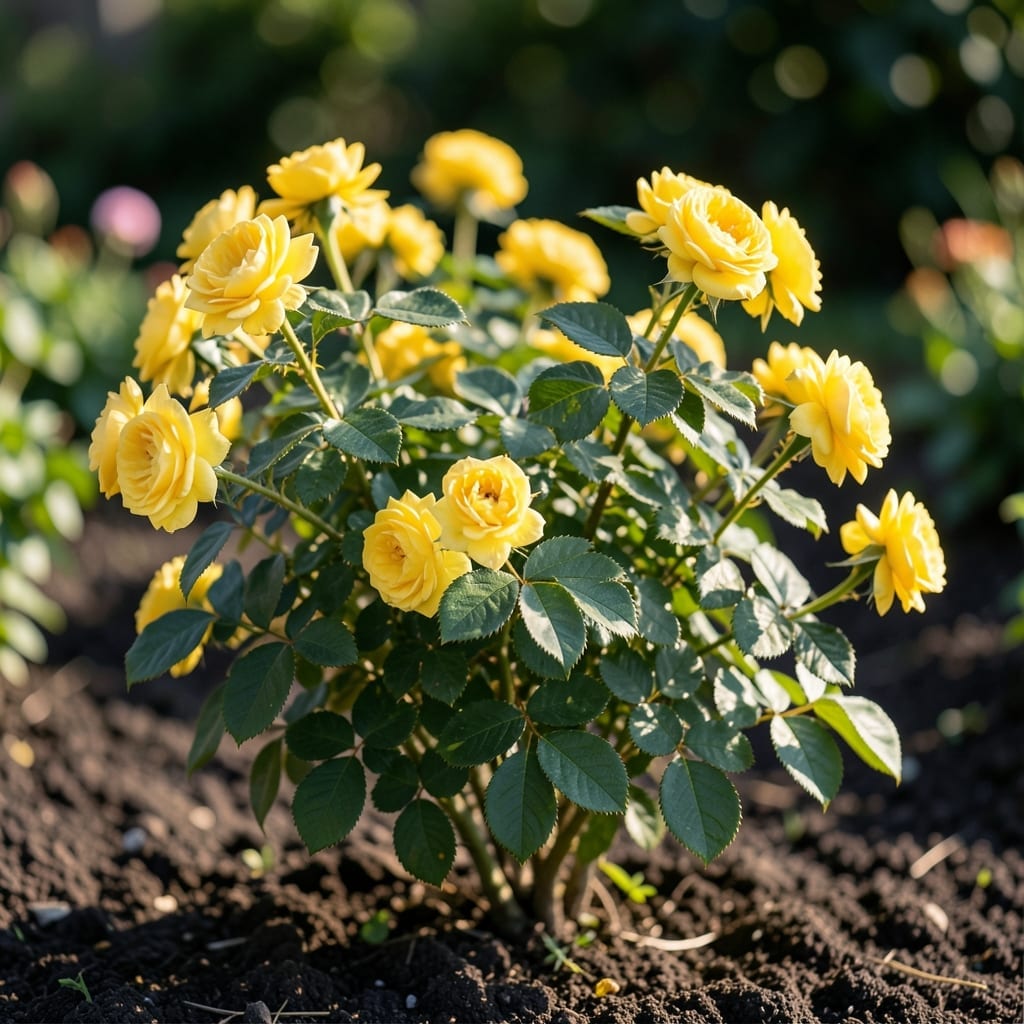
Floribunda yellow roses often face black spot, powdery mildew, and rust. Organic treatments include neem oil, baking soda sprays, and proper pruning to improve air circulation.
These vibrant blooms are particularly vulnerable in humid conditions where fungal spores thrive. 💫 I’ve seen baking soda solutions work wonders as a preventive measure when applied weekly, while neem oil disrupts the life cycle of existing pathogens. The real game-changer, though, is consistent pruning—it’s not just about aesthetics but creating an environment where air can circulate freely and moisture doesn’t linger.
💡 In This Article
Black spot thrives in warm, humid conditions where fungal spores land on wet leaves. The Diplocarpon rosae fungus releases spores that germinate within 6-10 hours of contact with moisture, creating those telltale circular black spots with feathery edges. 🌟
Powdery mildew appears as white, powdery patches on leaves and stems, caused by Podosphaera pannosa. This fungus spreads rapidly in crowded plantings with poor airflow, especially when nighttime temps hover around 60-70°F with 70-80% humidity. ✨
Rust shows up as orange pustules on leaf undersides, a sign of Phragmidium species. These spores can travel up to 300 feet on wind currents, making neighborhood gardens potential infection sources. 💛
All three diseases share a common weakness: they require free water on leaf surfaces to infect. This is why morning watering (allowing 4-6 hours of drying time) is more effective than evening watering. 🔥
Visual diagnosis is key. Black spot starts as purple spots before turning black, while powdery mildew looks like someone dusted the leaves with flour. Rust begins as tiny orange dots that eventually rupture to release spores.
Apply baking soda or neem oil sprays weekly as prevention. For active infections, use every 5-7 days until symptoms disappear. Always reapply after rain.
Water in the early morning to allow 4-6 hours of drying time. This prevents fungal spores from germinating on wet leaves. Avoid evening watering.
Yes! Mix 1 tbsp baking soda, 1 tsp dish soap, and 1 gallon water for black spot. It’s safe and effective for most fungal issues.
Space plants 3-4 feet apart to ensure good air circulation. This reduces humidity around leaves, making it harder for diseases to spread.