
Beautiful Plants For Your Interior
Beautiful Plants For Your Interior
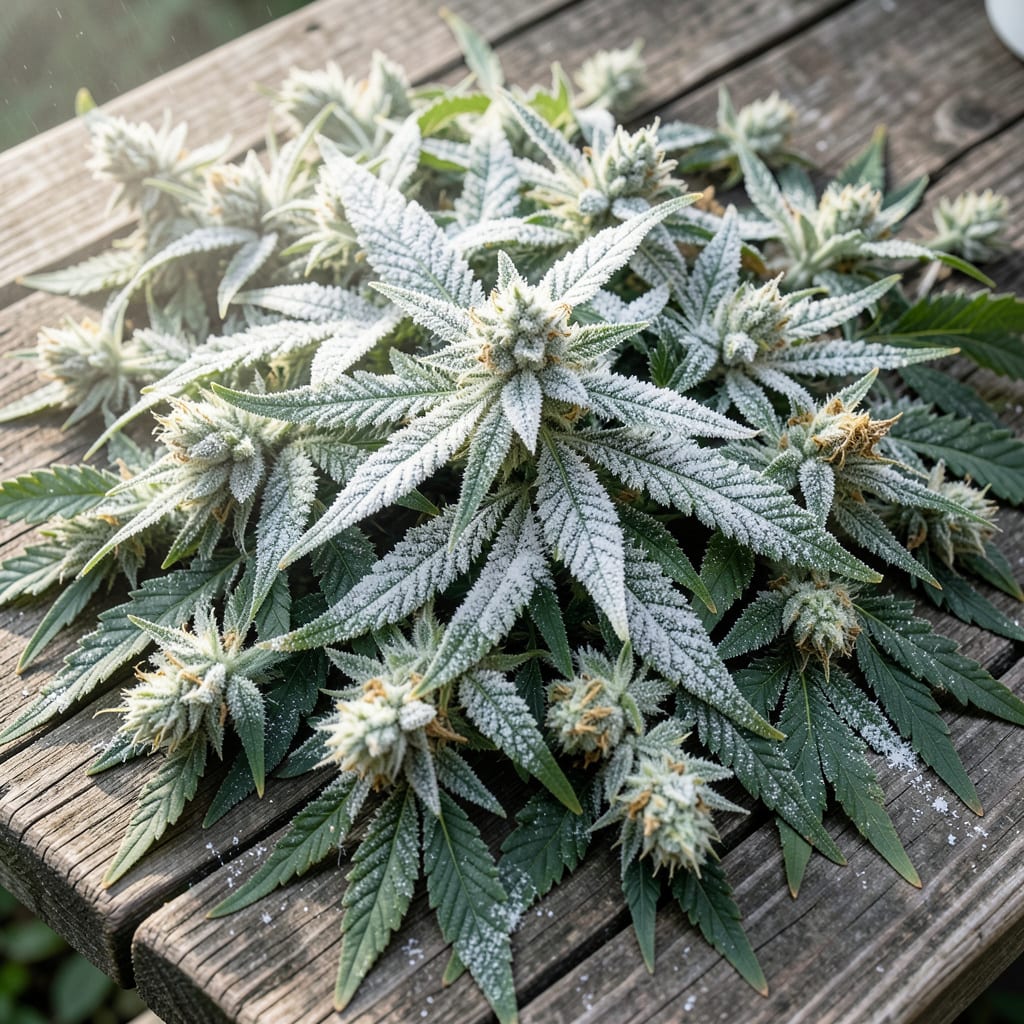
That white powder on your leaves isn’t dust—it’s trouble. I first spotted it on my plants during a humid spell, and ignoring it nearly cost me the whole crop.
This fungal issue spreads fast in warm, damp conditions. Poor airflow and crowded plants make it worse. Catching it early means you can stop it before it takes over.
I’ve tested natural sprays and simple fixes that work without harsh chemicals. The key is consistency—treat early, treat often, and adjust your growing space.
You’ll see the difference within days. Leaves clear up, new growth stays healthy, and your plants get back on track.
White mildew on cannabis, often caused by Powdery Mildew fungi like Podosphaera xanthii or Golovinomyces spp., thrives under specific environmental conditions. Below are the primary causes, explained with actionable insights.
Powdery mildew spores germinate in 60–80% relative humidity with stagnant air. Dense canopies or crowded grow spaces restrict airflow, creating microclimates where spores settle and multiply. Solution: Use oscillating fans to improve circulation and maintain humidity below 50% during late flowering.
Stressed or nutrient-deficient plants produce weaker cell walls, making them more susceptible to fungal invasion. Overcrowding also limits light penetration, encouraging damp, shaded areas where mildew flourishes. Solution: Prune lower foliage, space plants adequately, and ensure balanced nutrition (e.g., silicon supplements to strengthen cell walls).
Wet leaves from overhead watering or poor drainage provide the perfect medium for spores to adhere and colonize. Unlike other fungi, powdery mildew doesn’t require free water to grow but thrives when moisture lingers. Solution: Water at the base of plants early in the day to allow foliage to dry before nightfall.
Spores can hitchhike on tools, clothing, or even insects (e.g., aphids). Reusing contaminated soil or clones from infected mothers spreads the fungus rapidly. Solution: Sterilize tools with 70% isopropyl alcohol, use fresh growing medium, and quarantine new plants for 1–2 weeks.
Day-night temperature swings (e.g., >10°F/5°C differences) stress plants and create condensation, fostering spore germination. Ideal temps for mildew growth: 60–80°F (15–27°C). Solution: Stabilize temps with heaters or AC, and avoid placing plants near cold windows or vents.
White mildew on your plants can be frustrating, but these targeted solutions will help you restore health and prevent recurrence. Address the root cause first, then apply the fix for best results.
Stagnant air traps moisture, creating a breeding ground for mildew. Increase airflow around your plants by:
Prevention tip: 💡 Keep fans running on low during both day and night cycles to maintain consistent airflow.
Mildew thrives in humid environments (above 60% RH). Lower humidity with these steps:
Prevention tip: 🌡️ Aim for humidity levels between 40-50% during the flowering stage.
Excess water in the soil or on leaves promotes mildew growth. Fix your watering habits by:
Prevention tip: ✨ Stick your finger in the soil—if it feels damp, wait another day to water.
If mildew is already present, treat it quickly and naturally:
Prevention tip: 🎯 Apply treatments in the evening to avoid leaf burn from sunlight.
It’s best to avoid consuming heavily mildewed buds. While not toxic, it can cause throat irritation. Lightly affected areas can be trimmed away, but always inspect carefully before use.
Under ideal conditions, powdery mildew can spread across a plant in 48-72 hours. Spores travel easily through air currents, so isolate infected plants immediately to prevent contamination.
Yes, a diluted apple cider vinegar solution (1 tbsp per gallon of water) can help. Spray lightly on leaves, but test on a small area first as it may cause leaf burn. Avoid using on buds.
Recurrence usually means spores weren’t fully eliminated. Deep clean your grow space, replace contaminated soil, and maintain consistent airflow and humidity levels. Consistency is key.
