
Beautiful Plants For Your Interior
Beautiful Plants For Your Interior
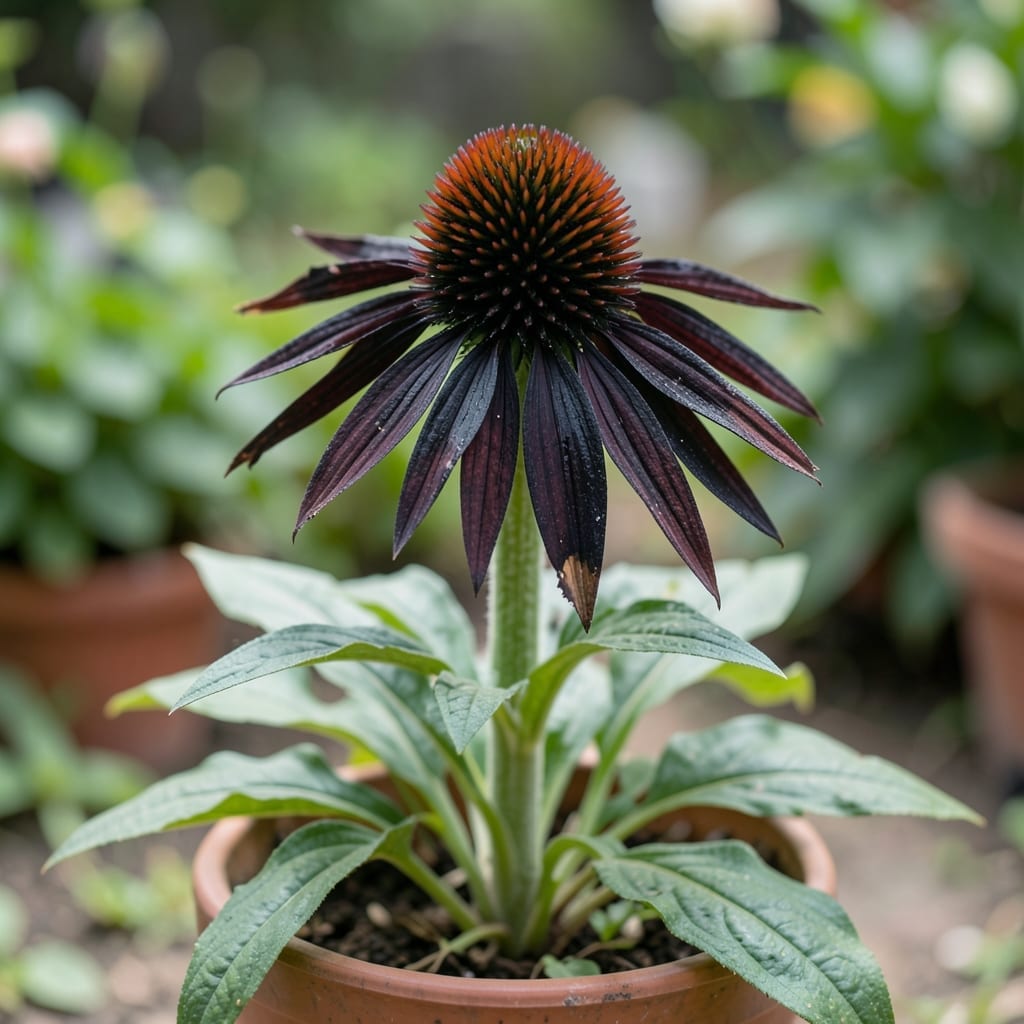
Black leaves on your coneflowers aren’t just ugly—they’re a warning sign. I’ve seen healthy plants turn crispy overnight from fungal infections, pest damage, or simple environmental stress.
Here’s the thing—catch it early and you can reverse the damage with organic solutions. Left unchecked, that blackening spreads fast. We’ll diagnose the cause and stop it in its tracks.
A few supplies and quick action can save your blackened coneflowers from further damage.
| Ingredient | Amount | Notes |
|---|---|---|
| Neem Oil 💧 | 1 quart | Cold-pressed organic |
| Copper Fungicide 🧪 | 1 quart | Liquid organic formula |
| Pruning Shears ✂️ | 1 piece | Sharp sterilized blades |
| Garden Gloves 🧤 | 1 piece | Nitrile or latex |
| Spray Bottle 💦 | 1 piece | Adjustable nozzle |
| Compost 🌾 | 2 gallons | Well-aged organic |
| Watering Can 💧 | 1 piece | With long spout |
| Mulch 🪵 | 3 gallons | Hardwood or straw |
| Soil Test Kit 🌡️ | 1 piece | pH and nutrient check |
[recipe_ingredient_scaler]
Neem oil and copper fungicide are your frontline defenses here. Garden centers like Home Depot or local nurseries carry both in ready-to-use formulations. Look for OMRI-listed organic products to ensure they’re safe for pollinators. I grab the largest sizes since these treatments handle multiple issues across the garden.
No neem oil? Horticultural oil works almost as well for pests. Skip copper fungicide if you’re treating drought stress instead—deep watering may be all you need. Sterilize pruning shears with rubbing alcohol between cuts (worth the extra minute) to prevent spreading disease.
Store leftover fungicides in a cool, dark place—they degrade in heat. Neem oil lasts 1-2 years unopened, less once mixed. I keep a sharpie handy to label spray bottles with contents and date.
Here’s my organic method for reviving blackened coneflower leaves and preventing future outbreaks.
Begin by testing your soil with the soil test kit to identify potential nutrient imbalances or pH extremes. Coneflowers thrive in pH 6.0-7.0, and values outside this range can stress plants, making them vulnerable to disease. I check both the root zone and surface soil, as conditions can vary dramatically between these layers.
Note the readings for nitrogen, phosphorus, and potassium. Excess nitrogen often leads to lush but weak growth that’s susceptible to fungal issues, which frequently manifest as blackened leaves. This test gives you the baseline for targeted organic corrections.
Put on the garden gloves and use the pruning shears to remove all blackened leaves at their base. Sterilize the shears between cuts with 70% isopropyl alcohol to prevent spreading pathogens. I make clean cuts at a 45-degree angle to encourage rapid healing and reduce moisture collection on the wound.
Dispose of the infected material in a sealed bag—never compost it, as this can spread fungal spores or bacterial pathogens to other plants. Healthy leaves often show dark green color with firm texture; any deviation from this is your signal to remove more foliage.
Mix 1 quart copper fungicide with water in the spray bottle according to package instructions, typically at a 1:10 ratio. Spray all remaining leaves thoroughly, including both top and bottom surfaces where fungal spores often hide. I apply this in the early morning when temperatures are below 85°F to prevent leaf burn.
For a preventive boost, alternate weekly with 1 quart neem oil diluted at 2 tablespoons per gallon of water. Neem disrupts fungal life cycles while being gentle on beneficial insects. You’ll see improvement in 7-14 days as new growth emerges healthy and dark green.
Spread the 3 gallons of mulch around the base of your coneflowers, maintaining a 2-3 inch layer while keeping it 1 inch away from stems to prevent rot. This regulates soil temperature and reduces water splashing that can spread fungal spores. I use hardwood mulch for its slow decomposition rate and excellent moisture retention.
Water at the base using the watering can rather than overhead irrigation to keep foliage dry. Coneflowers prefer 1 inch of water weekly in well-draining soil. If your soil test showed deficiencies, work in 1-2 inches of the 2 gallons compost around the drip line to gradually restore fertility.
While addressing coneflower leaves turning black often involves organic treatments, pairing your garden-fresh coneflowers (Echinacea) with the right sauces can elevate their culinary uses—if you’re growing edible varieties like Echinacea angustifolia. Here are some delicious ways to enjoy them!
For a bold kick, try drizzling your coneflower petals with sriracha-infused honey or a homemade chili-lime dressing. Store-bought options like Tabasco or Cholula work great for quick heat. If you prefer homemade, blend fresh chilies, garlic, and vinegar for a custom spicy sauce that complements the earthy notes of coneflower.
A light honey-mustard glaze or balsamic reduction can balance the floral hints of coneflower. Brands like Annie’s Organic Honey Mustard offer convenience, but a DIY mix of Dijon, local honey, and apple cider vinegar adds a personal touch. For a tangy twist, reduce balsamic vinegar with a splash of maple syrup for a rich, syrupy topping.
Highlight coneflower’s natural flavors with pesto or chimichurri. A homemade basil-pine nut pesto or a parsley-heavy chimichurri (with olive oil and lemon) enhances its freshness. Store-bought options like Barilla Pesto are handy, but fresh herbs from your garden make all the difference.