
Beautiful Plants For Your Interior
Beautiful Plants For Your Interior
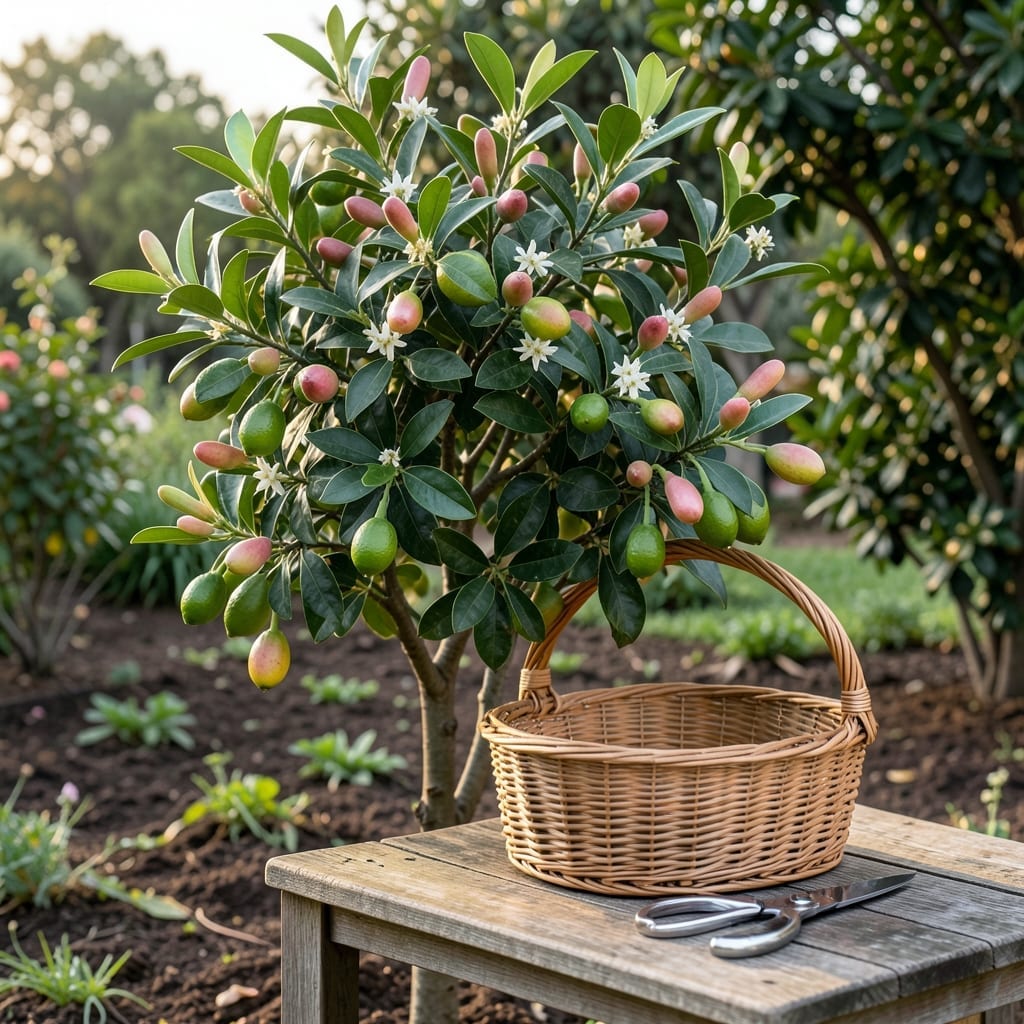
Finger limes, with their caviar-like citrus pearls, are a gardener’s treasure—but timing your harvest is everything. Picking too early or too late can mean the difference between bland and burst-with-flavor fruit.
I’ve learned the most important lesson with these unique trees: patience pays off. The 🍋 Finger Lime thrives in zones 9-11, and knowing its natural rhythm is the key to success.
Whether you’re growing them in California or Florida, the season follows a pattern. Late summer to fall is when the magic happens, but there’s more to it than just the calendar.
Discover how to spot the perfect moment to pick, and why this timing makes all the difference in flavor and quality.
If you’re growing finger limes, knowing the right harvest window is key. These unique citrus trees typically produce fruit from late summer to fall, but the exact timing depends on your climate and variety. I always watch for the first signs of color change in my garden.
Finger limes usually ripen 90-120 days after flowering. In warmer zones like USDA 9-11, you might see fruit as early as August, while cooler areas may need to wait until September or October. The tree’s natural rhythm is fascinating to observe.
The most obvious sign is the color transformation. Different finger lime varieties turn distinct shades—yellow, pink, or even deep red. My Australian Red variety always turns a stunning ruby when ready.
Texture is another telltale indicator. A ripe finger lime will have a slight softness when gently pressed, but it shouldn’t be mushy. I recommend testing one or two fruits first to gauge the perfect firmness for your specific variety.
The aroma is often overlooked but incredibly reliable. As finger limes ripen, they emit a strong, sweet citrus fragrance that’s hard to miss. I can often smell my trees before I even see the color change.
For those in cooler climates, container growing is an excellent option. I’ve had success moving potted finger lime trees indoors before the first frost, which can extend your growing season significantly. Just ensure they get plenty of light.
Remember that finger lime trees can take 2-3 years to bear fruit from planting. Once they start producing, though, you can expect a bountiful harvest each season if you provide proper care and attention.
To maximize your harvest, I recommend staggered planting of different varieties. This way, you can enjoy fresh finger limes over a longer period rather than all at once. Diversity in your garden always leads to more rewarding results.
🌿
If you’re growing finger limes, your harvest window depends heavily on location. These tropical natives thrive in USDA zones 9-11, but even within these zones, timing varies significantly.
In California, especially Southern regions, the main harvest typically runs from late summer through early fall. Cooler coastal areas may see a slightly delayed season.
| Region | Harvest Window | Climate Notes |
|---|---|---|
| California | Aug–Oct | Hot, dry summers |
| Florida | Sept–Nov | Humid subtropical |
| Texas | Sept–Oct | Variable, frost-sensitive |
| Containers | Aug–Sept | Indoor/protected |
Florida’s humid climate often extends the harvest season into November. The extra warmth and moisture allow finger limes to ripen more slowly, giving you a longer window.
For Texas growers, the season is shorter due to earlier frost risks. I recommend harvesting by late October to avoid cold damage. Microclimates matter here—south-facing walls can add precious weeks.
Container gardeners in cooler zones can mimic warmer climates with greenhouses or grow lights. Expect a shorter season, usually August to September, but with careful management, you can stretch it.
Remember, local weather trumps general guidelines. A late frost or heat wave can shift your harvest dates by weeks. Always monitor your finger lime trees for ripeness signs rather than just the calendar. 🌳