
Beautiful Plants For Your Interior
Beautiful Plants For Your Interior
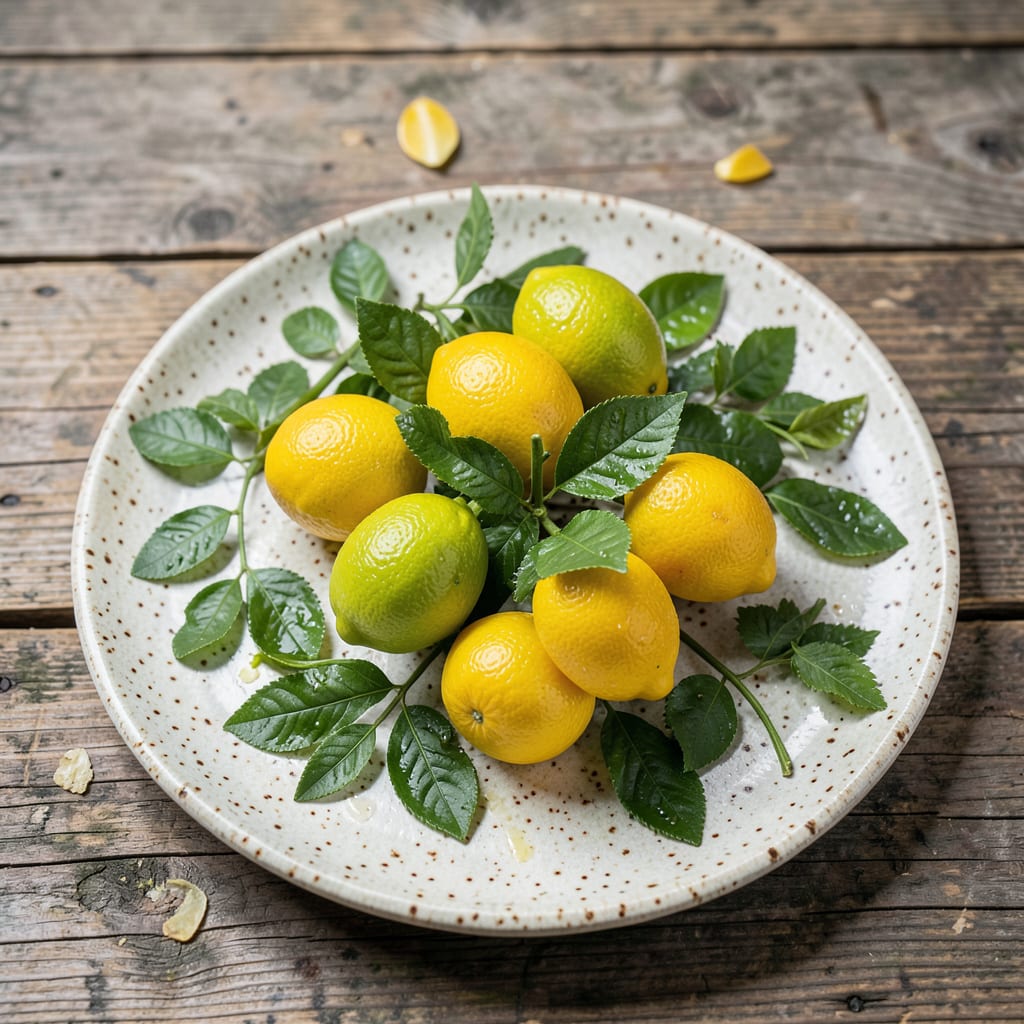
Fertilizing your 🍊 Citrus Tree at the right time is crucial for its health and productivity, especially in Southern California‘s unique climate. I’ve learned that timing is everything when it comes to giving your tree the nutrients it needs to thrive.
In Southern California’s year-round growing season, you’ll want to feed your Citrus Tree during its active growth periods. Let’s explore the best times to fertilize and how to keep your tree healthy and productive.

In Southern California, the ideal time to fertilize citrus trees depends on the tree’s age, type, and the region’s climate conditions. Generally, citrus trees benefit from multiple feedings throughout the year, with the frequency and timing varying based on the tree’s growth cycle.
Citrus trees in Southern California typically require three to four fertilizer applications per year, coinciding with their active growth periods. The fertilization schedule should be adjusted according to the tree’s age and nutritional needs.
The fertilization frequency for citrus trees in Southern California is typically every 6-8 weeks during the growing season, which spans from February to October. It’s essential to use a balanced fertilizer with a ratio such as 10-10-10 or 12-6-6 NPK to provide the necessary nutrients for healthy growth and fruit production.
When fertilizing citrus trees, it’s crucial to follow the recommended application rates based on the tree’s size and age. A general guideline is to use 1-2 cups of fertilizer per application, depending on the tree’s diameter and overall health.
Soil conditions also play a significant role in determining the fertilization needs of citrus trees. In Southern California’s often alkaline soils, citrus trees may require additional nutrients like micronutrients to maintain optimal health.
To ensure the best results, it’s recommended to soil test periodically to determine the specific nutrient needs of your citrus trees. This will help you adjust your fertilization schedule accordingly and avoid over-fertilization, which can be detrimental to the tree’s health.
In addition to fertilization, proper watering practices are vital for the overall health of citrus trees in Southern California. Trees should be watered deeply but infrequently to encourage deep root growth, making them more resilient to drought conditions.
By following a well-planned fertilization schedule and considering factors like soil conditions and watering practices, you can help your citrus trees thrive in Southern California’s climate. Regular monitoring of your trees’ health and adjusting your care practices as needed will ensure they continue to produce abundant, healthy fruit for years to come 🌿.
For young citrus trees (less than 3 years old), it’s essential to adjust the fertilization schedule to promote healthy growth and development. Start with smaller, more frequent applications and gradually increase the amount as the tree matures.
As citrus trees mature, their fertilization needs may change. Continue to monitor your trees’ health and adjust your fertilization schedule accordingly to ensure they receive the necessary nutrients for optimal growth and fruit production.
By understanding the specific needs of your citrus trees and following a tailored fertilization schedule, you can enjoy a bountiful harvest of delicious, healthy citrus fruits in Southern California’s favorable climate 🍊.
Citrus trees in Southern California come in various types, each with specific fertilization needs. I’ve found that understanding these differences is key to maintaining a healthy and productive orchard.
Different citrus varieties have unique nutrient requirements based on their growth patterns and fruit production characteristics. Let’s explore some common citrus types grown in Southern California and their fertilization needs.
When fertilizing different citrus varieties, it’s essential to consider their unique nutrient requirements and adjust your fertilization schedule accordingly. Regular soil testing can help determine the specific needs of your trees.
By tailoring your fertilization program to the specific needs of your citrus trees, you can optimize their growth, fruit production, and overall health in Southern California’s climate 🌟.
For example, navel oranges benefit from a slightly higher potassium content to support fruit quality, while lemons may require additional magnesium to prevent deficiencies.
Understanding these nuances in fertilization needs can make a significant difference in the productivity and health of your citrus trees.
As you develop your fertilization plan,
Fertilizing citrus trees in Southern California can be challenging due to the region’s unique climate and soil conditions. I’ve seen many gardeners make common mistakes that can harm their trees rather than help them.
Avoid these common errors when fertilizing your citrus trees: over-fertilization, wrong nutrient balance, and poor timing. These mistakes can lead to nutrient burn, reduced fruit production, and even tree damage ⚠️.
One of the most significant mistakes is over-fertilizing, which can cause nutrient imbalances and harm the tree. Citrus trees in Southern California typically require three to four fertilizer applications per year, so it’s essential to follow the recommended fertilization schedule.
Another common error is using the wrong type of fertilizer. Citrus trees benefit from a balanced fertilizer with a ratio like 10-10-10 or 12-6-6 NPK. Avoid using fertilizers with too much nitrogen, as this can promote excessive vegetative growth at the expense of fruit production 🌿.
Soil conditions also play a crucial role in fertilization. Southern California’s often alkaline soils may require additional micronutrients to maintain optimal tree health. Regular soil testing can help determine the specific needs of your trees and prevent nutrient deficiencies.
By being aware of these common fertilization mistakes and taking steps to avoid them, you can help your citrus trees thrive in Southern California’s climate and enjoy a bountiful harvest of delicious, healthy fruit 🍊.
For more specific guidance on fertilizing your citrus trees, consider consulting with a local nursery or gardening expert who can provide personalized advice based on your tree’s specific needs and your region’s climate conditions.
Citrus trees in Southern California typically require three to four fertilizer applications per year, spaced 6-8 weeks apart during the growing season (February to October). The exact frequency depends on the tree’s age and nutritional needs. For young trees (less than 3 years old), start with smaller, more frequent applications and gradually increase the amount as the tree matures.
A balanced fertilizer with a ratio like 10-10-10 or 12-6-6 NPK is ideal for citrus trees. This provides the necessary nutrients for healthy growth and fruit production. For specific varieties like lemons and limes, a slightly higher nitrogen content (12-6-6 NPK) can support their continuous fruiting habit.
No, it’s generally recommended to avoid fertilizing citrus trees during the dormant season (October to January) in Southern California. Fertilizing during this period can promote new growth that may be damaged by cooler temperatures. Instead, focus on maintaining proper watering practices during the winter months.
Signs of over-fertilization include leaf burn, excessive vegetative growth, and reduced fruit production. To avoid this, follow the recommended application rates based on the tree’s size and age, and consider regular soil testing to determine the specific nutrient needs of your trees.
