
Beautiful Plants For Your Interior
Beautiful Plants For Your Interior
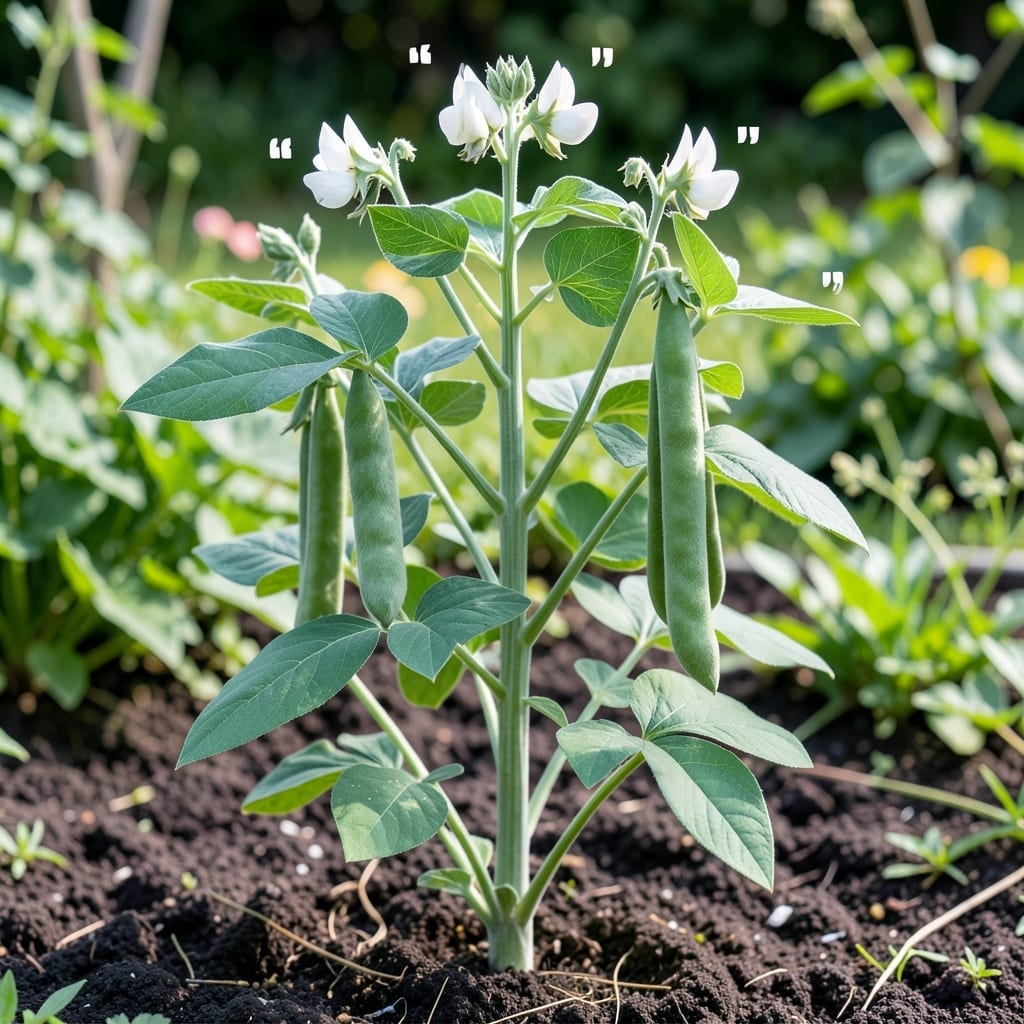
There’s nothing like watching fava bean leaves unfurl into rich green canopies. I’ve grown these for years, and the key is consistent moisture without waterlogging the roots.
You’ll spot healthy plants by their upright growth and vibrant foliage. The leaves feed the soil as they decompose, making this crop as good for your garden as it is for your table. 60 days in, you’re looking at a thriving patch.
📚 In This Guide
Here’s the method I rely on to grow vibrant fava bean plants with lush, harvestable leaves.
Choose a location with full sun and well-draining soil. Fava beans thrive in cool weather but need consistent moisture. Work the soil to a depth of 12 inches, removing any debris or large clumps. I always add a layer of compost to improve fertility and drainage.
Test the soil pH—favas prefer a range of 6.0 to 7.0. If your soil is too acidic, mix in lime to adjust it. Avoid heavy clay or waterlogged areas, as these can stunt growth and lead to root rot. You’ll know the soil is ready when it crumbles easily in your hand.
Plant seeds 1 to 2 inches deep and 4 to 6 inches apart in rows spaced 18 to 24 inches apart. This spacing gives each plant enough room to develop a strong root system and leafy growth. I like to plant in early spring or late summer for a fall harvest, as favas prefer cooler temperatures.
Water the seeds immediately after planting to settle the soil around them. Keep the soil consistently moist but not soggy—overwatering can cause the seeds to rot. You should see sprouts emerge in 7 to 14 days, depending on soil temperature.
Once seedlings appear, thin them to 8 to 10 inches apart if they’re too crowded. This ensures each plant has enough space to produce abundant leaves. Mulch around the base with 2 to 3 inches of organic mulch to retain moisture and suppress weeds.
Fertilize lightly with a balanced, low-nitrogen fertilizer to encourage leafy growth without promoting excessive stem production. Watch for pale or yellowing leaves, which can indicate nutrient deficiencies or overwatering. Adjust your care routine as needed to keep the foliage vibrant.
Begin harvesting leaves when the plants are 6 to 8 inches tall, usually about 6 to 8 weeks after sowing. Pick the youngest, most tender leaves at the top of the plant, as these are the most flavorful. Avoid removing more than one-third of the foliage at a time to prevent stressing the plant.
Harvest in the morning for the best flavor and texture. Regular harvesting encourages the plant to produce more leaves, extending your harvest window. If you notice the leaves becoming tough or bitter, it’s a sign the plant is maturing and it’s time to harvest the beans instead.
Small adjustments in planting and care make a big difference in leaf yield and quality.
Soil Preparation: Work the soil to the full 12 inches depth as outlined in Step 1. Shallow preparation restricts root development, which directly limits leaf production. I’ve found that adding compost not only improves drainage but also provides the slow-release nutrients favas need for sustained growth.
Seed Spacing: Stick to the 4 to 6 inches apart guideline in Step 2. Overcrowding forces plants to compete for light and nutrients, resulting in sparse, weak foliage. If you accidentally plant too densely, thin to 8 to 10 inches apart as soon as seedlings emerge to correct the issue.
Moisture Balance: Keep soil consistently moist but never soggy, as mentioned in Step 2. Fava seeds rot easily in waterlogged conditions, and established plants develop root rot. A good rule is to water when the top inch of soil feels dry to the touch—this usually aligns with the 7 to 14 days sprouting window.
Harvesting Technique: When plants reach 6 to 8 inches tall in Step 4, always pick the youngest top leaves first. These are the most tender and flavorful. Removing more than one-third of the foliage at once stresses the plant and can reduce future leaf production.
Yes, young fava bean leaves are edible raw in salads, offering a mild, earthy flavor. However, older leaves may taste bitter—blanching or cooking can improve their taste. Always ensure they’re pesticide-free before consuming.
Harvest leaves when the plant is 6-8 inches tall, typically 4-6 weeks after planting. Pick the top leaves to encourage bushier growth. Avoid over-harvesting, as the plant needs leaves for photosynthesis and pod production.
Aphids, blackfly, and beetles often target fava bean leaves. Use organic sprays like neem oil or introduce beneficial insects like ladybugs. Regularly inspect leaves for early signs of infestation to prevent damage.
Absolutely! Fava bean leaves make excellent green mulch. They decompose quickly, enriching the soil with nitrogen and organic matter. Chop them finely before spreading to speed up breakdown and deter pests.
Yellow leaves may indicate overwatering, nutrient deficiency (like nitrogen or iron), or disease. Check soil moisture, fertilize as needed, and inspect for fungal infections or pests. Remove affected leaves to prevent spread.