
Beautiful Plants For Your Interior
Beautiful Plants For Your Interior
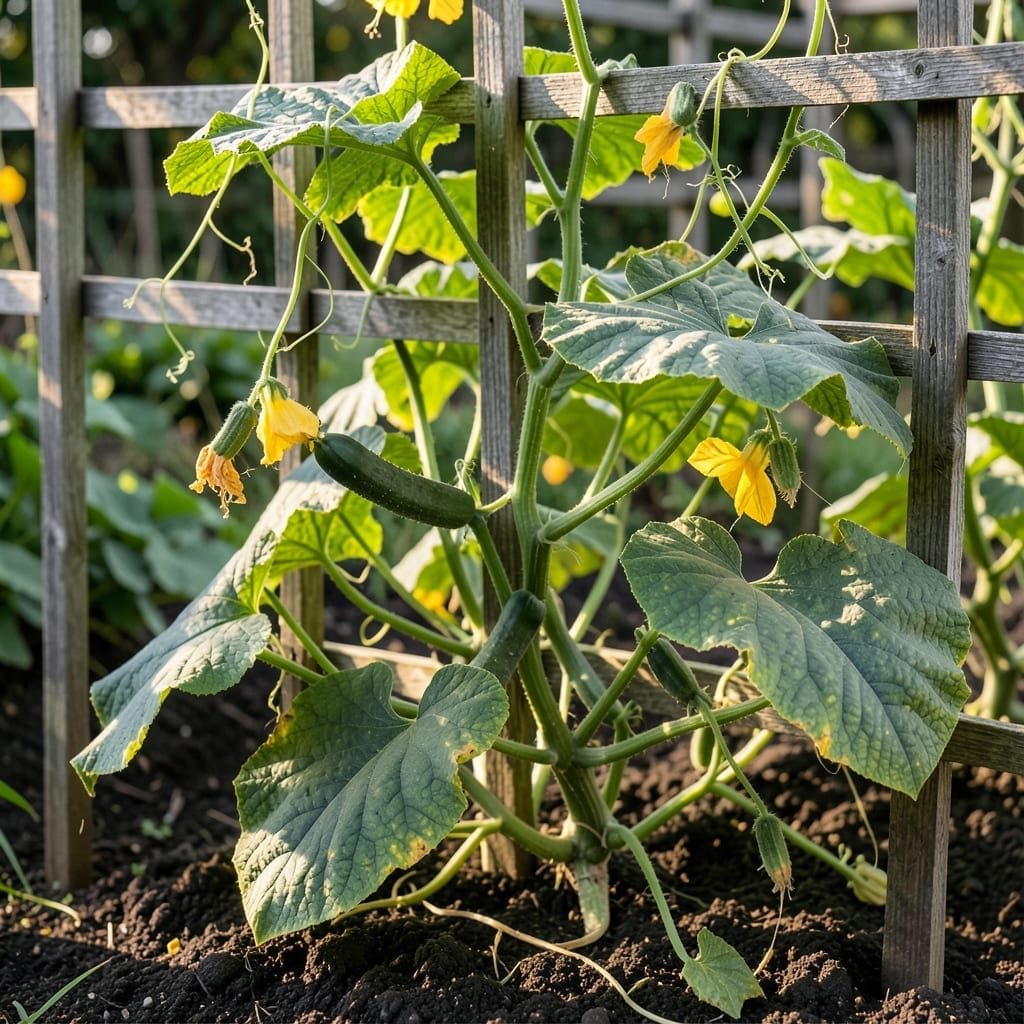
Yellowing cucumber leaves hit me hard last season. 🌱 My vines went from vibrant green to ghostly pale in days, and I knew something was seriously wrong.
Turns out, pale leaves usually mean one of three things: hungry plants, thirsty roots, or sneaky pests. Each has a different fix, and misdiagnosing wastes precious time when your plants are struggling.
I fixed mine with a soil test, adjusted my watering schedule, and a natural pest spray. The recovery started within 48 hours and full color returned in about a week.
This guide shows you how to spot the exact issue and fix it fast. Your cucumbers can go from sad to thriving with the right approach.
Understanding why cucumber leaves turn pale starts with identifying the root causes. Here are the most common reasons, explained scientifically:
Pale leaves often signal a lack of essential nutrients, particularly nitrogen or magnesium. Nitrogen is crucial for chlorophyll production, which gives leaves their green color. Without it, leaves turn yellowish or pale. Magnesium, a central component of chlorophyll, also leads to interveinal chlorosis (pale areas between veins) when deficient.
Both overwatering and underwatering can stress cucumber plants, disrupting nutrient uptake. Overwatering suffocates roots, reducing their ability to absorb nutrients, while underwatering limits the transport of minerals to the leaves. In both cases, chlorophyll production suffers, resulting in pale foliage.
Cucumbers require 6-8 hours of sunlight daily. Insufficient light slows photosynthesis, reducing chlorophyll levels and causing leaves to fade. Shaded or indoor-grown cucumbers often exhibit pale leaves as a direct result of low light exposure.
Pests like aphids or whiteflies sap plant juices, weakening the cucumber and leading to nutrient deficiencies. Diseases such as powdery mildew or cucumber mosaic virus disrupt cellular function, further impairing chlorophyll synthesis and causing pale, sickly leaves.
Addressing pale cucumber leaves starts with pinpointing the root cause. Below are targeted fixes, organized by issue, along with prevention tips to keep your plants thriving.
Pro tip 💡: Always water at the base of the plant (not the leaves) to reduce disease risk and nutrient leaching.
With proper treatment, you may see improvement in 2-3 days. Full color recovery typically takes 1-2 weeks, depending on the cause and severity.
Look at the oldest leaves first. If they’re turning pale while new growth stays green, it’s likely a nitrogen deficiency. A soil test kit gives the most accurate results.
Yes, if the issue is caught early. Severely damaged leaves may not fully recover, but new growth will be healthy. Remove any leaves that don’t improve after 1 week.
Try a foliar spray of 1 tablespoon Epsom salt per gallon of water for magnesium. Also ensure plants get 6-8 hours of sunlight daily to support natural chlorophyll development.