
Beautiful Plants For Your Interior
Beautiful Plants For Your Interior
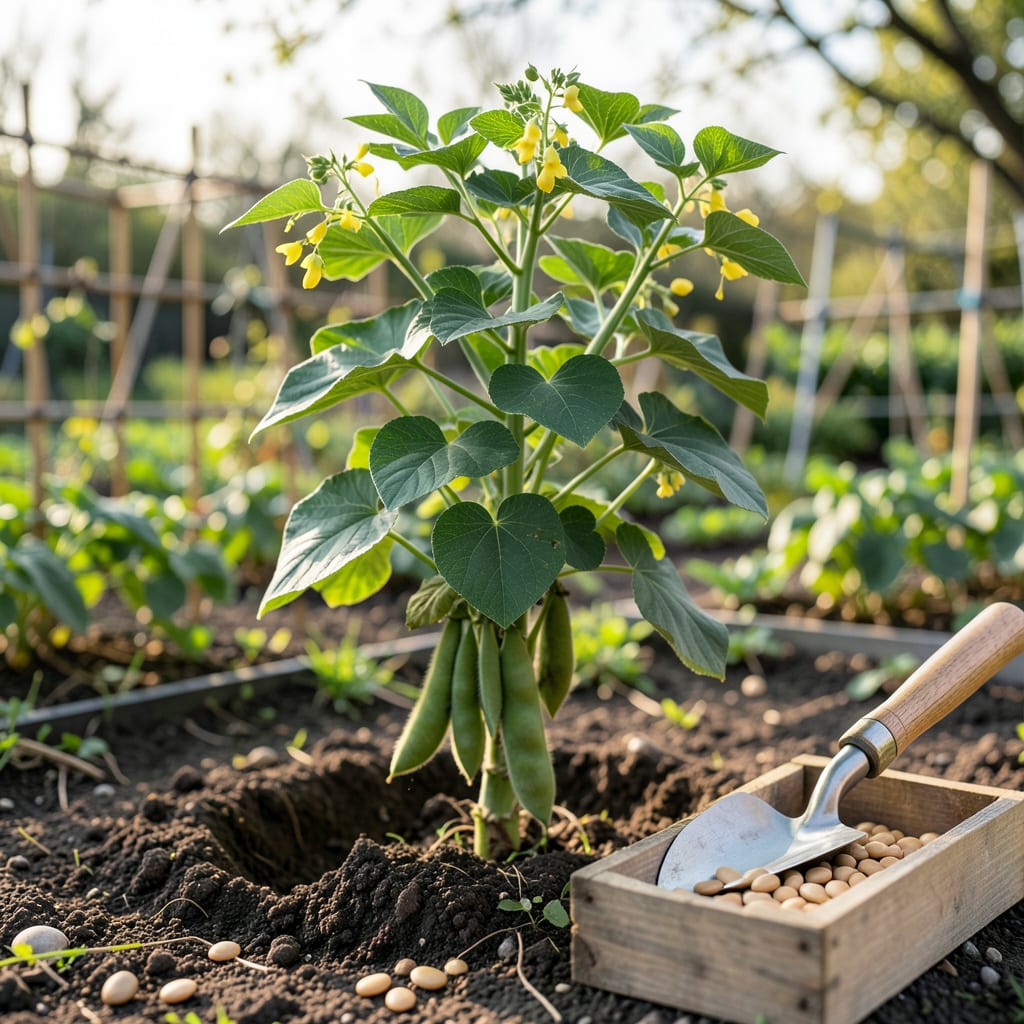
Zone 8 gardeners have a secret weapon for winter harvests: fava beans. But timing is everything—plant too early, and summer heat stunts them; plant too late, and frost steals your crop. The sweet spot? A narrow window that transforms these cool-season powerhouses into your garden’s MVP.
I’ve tested the limits in Zone 8’s unpredictable climate, and the data doesn’t lie. Whether you’re aiming for tender spring shoots or hearty winter beans, nailing the planting date means the difference between a thriving patch and a disappointing flop. Here’s exactly when to get those seeds in the ground—and why it works.
If you’re growing fava beans in Zone 8, timing is your secret weapon. These cool-season legumes thrive when planted in late fall—specifically October through November—so they establish roots before winter. I’ve found this window gives plants enough time to mature during Zone 8’s mild winters.
Spring planting is possible, but it’s riskier. Fava beans dislike hot weather, and Zone 8’s early summers can stunt growth. Stick to fall for the best yields. The goal is to have plants reach 6–8 inches tall before the first frost, which in Zone 8 typically arrives in late November or December.
| Season | Planting Window | Notes |
|---|---|---|
| Late Fall | October–November | Best for winter harvest; avoids heat stress. |
| Early Spring | February–March | Riskier; harvest before summer heat. |
| Winter | December–January | Possible in Zone 8b; use row covers. |
Soil temperature is key. Fava beans germinate best when soil is 50–65°F. In Zone 8, this aligns perfectly with late fall. Use a soil thermometer to check—if it’s too warm, seeds may rot. Too cold, and germination slows dramatically.
For Zone 8a vs. 8b, adjust slightly. Zone 8a gardeners should aim for early October planting to beat earlier frosts. In Zone 8b, you can push planting to mid-November thanks to warmer winters. Either way, avoid planting after December 1st—young plants need time to harden off.
If you miss the fall window, don’t panic. A February planting can work if you choose fast-maturing varieties like ‘Aquadulce’ or ‘Sweet Lorane’. These mature in 70–80 days, letting you harvest before summer heat sets in.
Watch your last frost date. In Zone 8, this is usually March 15–April 1. Fava beans can handle light frosts, but a hard freeze (below 25°F) may damage young plants. Use frost cloth or plant in a sheltered spot if cold snaps are forecasted.
Succession planting isn’t typical for fava beans, but you can stagger plantings by 2–3 weeks in fall for a longer harvest. Just ensure the last batch goes in by early November to avoid winter stunting.
Pro tip: Pair fava beans with companion plants like spinach or kale. These thrive in similar conditions and help deter pests. Avoid planting near onions or garlic—they can stunt fava bean growth.
Finally, mark your calendar for harvest time. Fava beans planted in fall will be ready in late winter to early spring, about 90–120 days after sowing. Look for plump pods and harvest before they turn leathery.
Now that you know when to plant, let’s talk about how to plant fava beans in Zone 8 for maximum success. I’ve found that proper soil prep makes all the difference—start by testing your soil pH. Fava beans prefer a range of 6.0–6.8.
If your soil is too acidic, amend it with lime a few weeks before planting. For alkaline soil, mix in compost or peat moss. Fava beans also thrive in well-draining soil, so avoid heavy clay. Work in 2–3 inches of compost to improve texture and fertility.
Watering is critical, especially during germination. Keep soil evenly moist but not soggy. In Zone 8’s mild winters, you’ll need to water about once a week unless rain provides enough moisture. Use a drip irrigation system to avoid wetting foliage, which can lead to disease.
Fava beans are heavy feeders, so fertilize lightly at planting with a balanced 5-5-5 fertilizer. Avoid high-nitrogen mixes—they’ll produce leafy growth at the expense of pods. Instead, focus on phosphorus and potassium for strong roots and flowering.
Pests like aphids love fava beans, so keep an eye out for clusters on new growth. A strong blast of water or insecticidal soap usually does the trick. For prevention, plant marigolds or nasturtiums nearby—they repel pests naturally.
As plants grow, provide support if needed. While fava beans are generally sturdy, tall varieties like ‘Broad Windsor’ may benefit from stakes or trellising, especially in windy areas. This keeps pods off the ground, reducing rot risk.
Finally, monitor for signs of stress. Yellowing leaves may indicate overwatering, while stunted growth could mean poor soil fertility. Adjust care as needed, and you’ll be rewarded with a hearty harvest of fresh fava beans by early spring.
🌱Even with perfect timing, small mistakes can derail your fava bean harvest in Zone 8. I’ve seen gardeners lose entire crops to avoidable errors—like planting too late or ignoring soil prep. Let’s tackle the top three pitfalls so you can sidestep them with confidence.
First up: planting after December. In Zone 8, this is the golden rule—get seeds in the ground by late November at the latest. Plants need time to establish roots before winter slows growth. December plantings often struggle to mature before summer heat arrives.
The second mistake is overwatering in clay soil. Zone 8’s winter rains can saturate heavy soils, drowning fava bean roots. I combat this by amending beds with compost and sand to improve drainage. Raise beds if needed—fava beans hate soggy feet.
Finally, don’t ignore pest control. Aphids adore fava beans and can multiply overnight. I check plants weekly and blast pests off with water at the first sign. For severe infestations, neem oil works wonders without harming beneficial insects.
Bonus tip: Avoid high-nitrogen fertilizers. They’ll give you lush foliage but few pods. Stick to a balanced 5-5-5 mix at planting, then let the beans fix their own nitrogen. Over-fertilizing is another common misstep that reduces yields.
By dodging these mistakes, you’ll set your fava beans up for success. Remember, Zone 8’s mild winters are ideal for these cool-season crops—just give them the right start, and they’ll reward you with a hearty harvest by spring. 🌱
While possible, spring planting is riskier. Fava beans dislike hot weather, and Zone 8’s early summers can stunt growth. Fall planting (October–November) yields better results, as plants mature during mild winters. If spring is your only option, choose fast-maturing varieties like ‘Aquadulce’.
Use frost cloth or row covers to shield plants during cold snaps. In Zone 8, fava beans can handle light frosts, but hard freezes (below 25°F) may damage them. Planting in a sheltered spot or applying mulch also helps insulate roots and retain warmth.
Fava beans germinate best when soil is 50–65°F. In Zone 8, this aligns with late fall. Use a soil thermometer to check—if it’s too warm, seeds may rot. Too cold, and germination slows. Aim for planting when daytime temps are consistently in this range.
Yes, but choose a deep container (at least 12 inches) to accommodate their long roots. Ensure good drainage and place in full sun. Container-grown favas may need more frequent watering, especially during dry spells. Use a balanced fertilizer to support growth.
Fall-planted fava beans typically mature in 90–120 days, ready for harvest in late winter or early spring. Spring-planted beans may mature faster (70–80 days) but often yield less due to heat stress. Harvest when pods are plump but before they turn leathery.
