
Beautiful Plants For Your Interior
Beautiful Plants For Your Interior
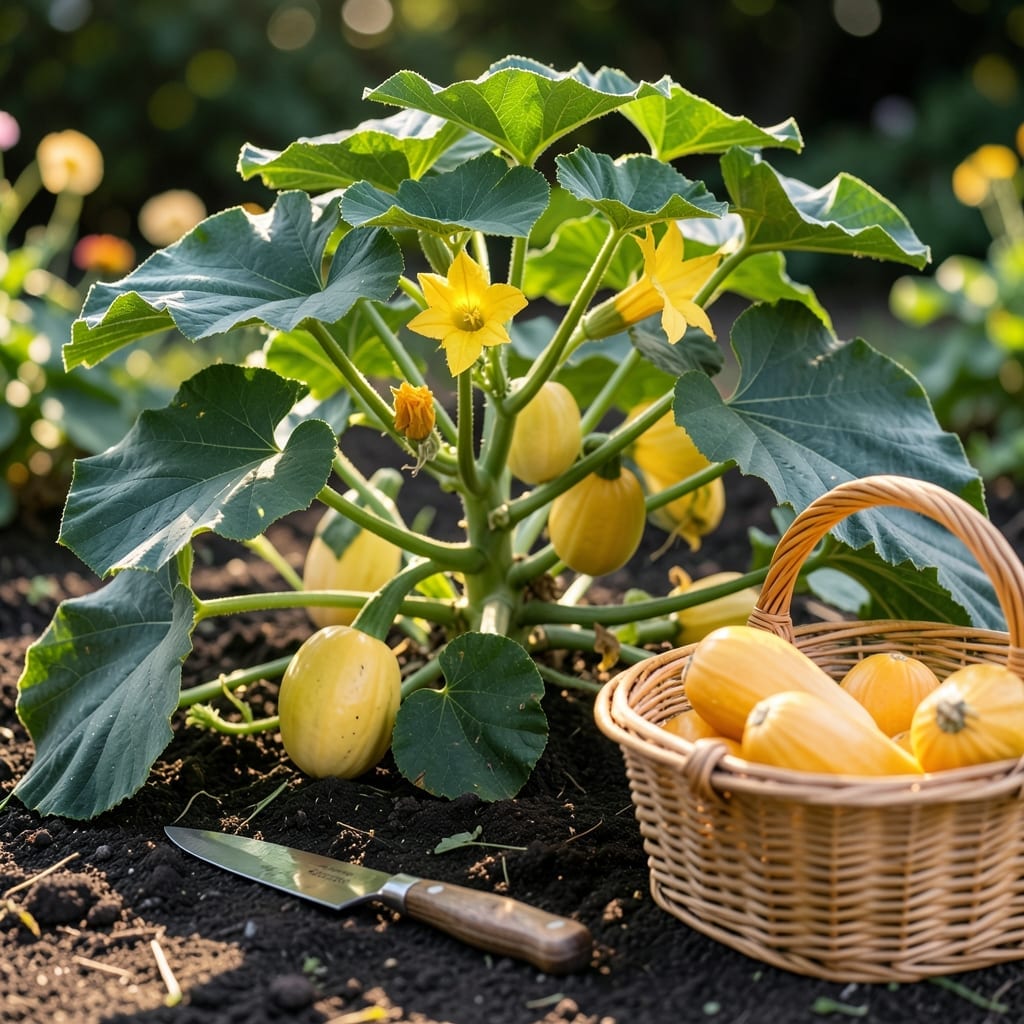
Nothing beats the satisfaction of harvesting plump yellow squash from your own garden. I’ve grown these for years, and the key is starting with the right variety and giving them room to thrive.
These vigorous plants need full sun, rich soil, and consistent moisture to produce their signature fat, golden fruits. A little compost at planting time works wonders, and they’ll reward you with a steady harvest all summer long.
You’ll know they’re ready when the skin turns a deep, glossy yellow and feels firm to the touch. Pick them young for the best flavor—wait too long, and they’ll turn into baseball bats.
Works in garden beds or large containers, as long as they get 6-8 hours of sunlight daily. Let’s get those seeds in the ground!
Understanding why your yellow squash grows large and plump starts with recognizing the key factors that influence its development. Here’s a breakdown of the most common causes:
Yellow squash thrives in nutrient-rich soil, but excess nitrogen can lead to oversized, fat fruits. Nitrogen promotes leafy growth, and when overapplied (e.g., excessive compost or high-nitrogen fertilizers), the plant channels energy into rapid, thick fruit formation. Test soil with a kit and balance nutrients with phosphorus and potassium to encourage healthy, proportional growth.
Fluctuations in moisture levels trigger stress responses in squash plants. Overwatering swells the fruit by increasing cell turgor pressure, while drought followed by heavy watering can cause uneven expansion. Maintain consistent soil moisture (1–1.5 inches of water weekly) using drip irrigation to avoid waterlogged roots or parched soil.
Some yellow squash varieties, like ‘Early Prolific Straightneck’ or ‘Golden Zucchini’, are genetically predisposed to grow larger. If you’re planting heirloom or large-fruiting hybrids, expect naturally plump squash. Check seed packets for mature size descriptions and select compact varieties if smaller fruit is desired.
Warm temperatures (70–85°F), full sun (6+ hours daily), and long growing seasons create perfect conditions for squash to bulk up. These factors accelerate photosynthesis, leading to rapid sugar production and fruit enlargement. In hot climates, provide afternoon shade to moderate growth if overly large squash is a concern.
If your yellow squash plants are looking lackluster or underproductive, these practical fixes will get them back on track. Address issues early to ensure a bountiful harvest.
Yellow leaves often signal nutrient deficiencies. Test your soil and amend it with compost or a balanced fertilizer (10-10-10). For a quick boost, use a foliar spray rich in nitrogen or magnesium. Prevention tip: 💡 Rotate crops yearly to avoid depleting soil nutrients.
Squash bugs and vine borers love plump squash. Handpick pests early in the morning when they’re sluggish, or spray neem oil weekly. For vine borers, wrap stems in aluminum foil to block egg-laying. Prevention tip: 🌡️ Plant companion herbs like basil or nasturtiums to deter pests naturally.
Inconsistent watering causes stress. Water deeply at the base (1–2 inches per week) and use mulch to retain moisture. Avoid wetting leaves to prevent fungal diseases. Prevention tip: ✨ Install a drip irrigation system for steady, even watering.
Plants spaced too closely compete for resources. Thin seedlings to 2–3 feet apart for proper airflow and growth. Prevention tip: 🎯 Follow spacing guidelines on seed packets from the start.
With these tweaks, your squash will thrive—and you’ll enjoy a plump, productive harvest in no time!
Pick when the skin is glossy and deep yellow, and the fruit feels firm. Use a knife to cut the stem, leaving about 1 inch attached. Harvest young for best flavor, usually when they’re 6-8 inches long.
Store unwashed in a perforated plastic bag in the fridge for up to 5 days. For longer storage, blanch and freeze slices. Avoid washing until ready to use to prevent mold.
Early in the season, plants produce mostly male flowers. Female flowers appear later and have a tiny fruit at the base. Be patient—pollination will happen when both types bloom.
Yes, but choose a large container (at least 5 gallons) and a compact variety. Ensure it has drainage holes and place in full sun. Container plants need more frequent watering.