
Beautiful Plants For Your Interior
Beautiful Plants For Your Interior
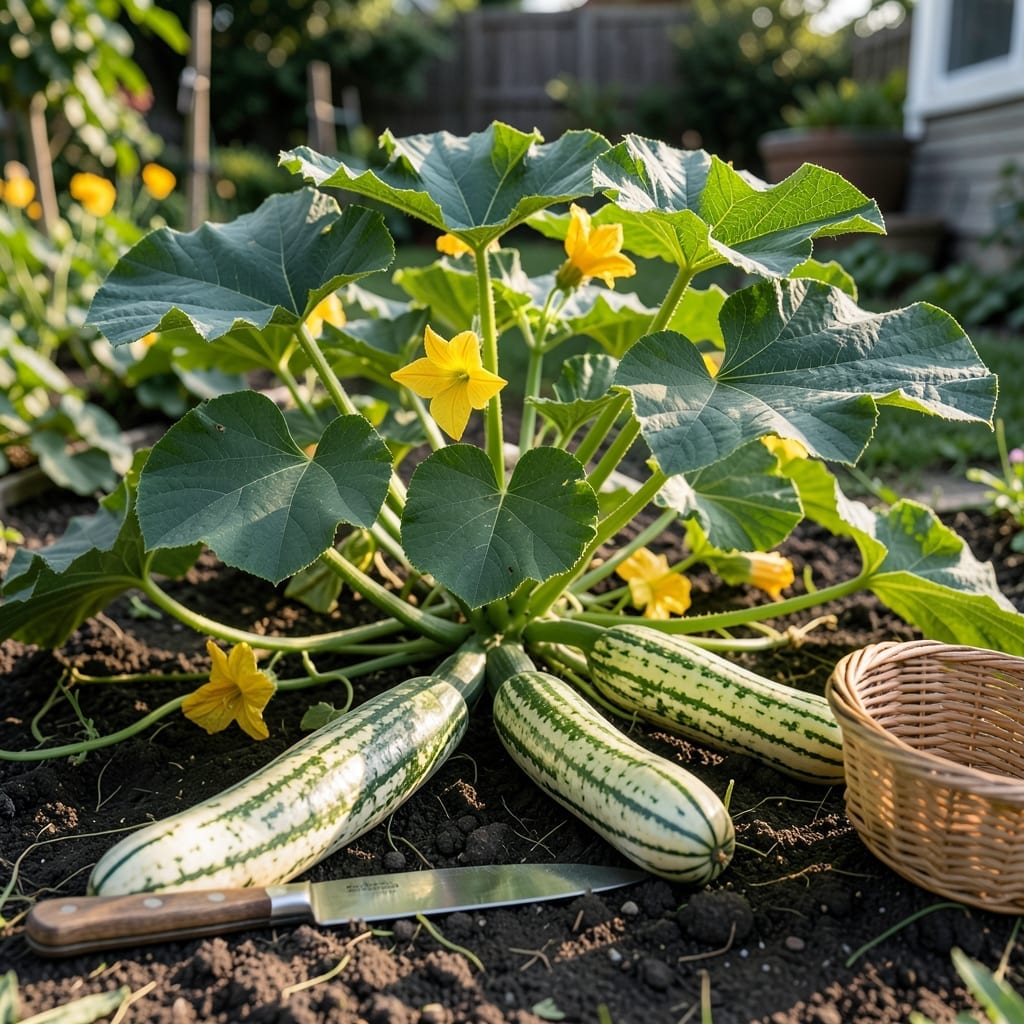
Imagine harvesting sweet, tender Delicata Squash 🎃 so large they become the centerpiece of your fall meals. With the right approach, you can grow these beautiful striped fruits even in compact garden spaces.
I’ve found that the secret lies in giving these plants exactly what they need at each stage. From soil prep to harvest timing, every detail matters when you’re aiming for bountiful results.
Whether you’re a seasoned gardener or just starting out, these proven techniques will help you maximize size and flavor. The best part? It’s simpler than you might think.
Discover how to transform your garden into a Delicata Squash powerhouse this growing season. Let’s get started.
Growing large delicata squash starts with proper soil preparation. I always begin by amending my garden beds with aged compost and a balanced fertilizer to ensure rich, well-draining soil. Delicata squash thrives in loamy soil with a pH between 6.0 and 6.8.
For the best results, wait until soil temperatures reach at least 60°F before planting. This warm soil encourages quick germination and strong early growth. I use a soil thermometer to check conditions before sowing seeds directly outdoors.
When planting, I space my delicata squash seeds about 1 inch deep and 2-3 feet apart in rows that are 5-6 feet apart. This spacing gives each plant enough room to spread its vines and access sunlight. Remember, these plants can grow 1-2 feet tall with vines extending 3-4 feet in all directions.
Watering is crucial for large fruit development. I water my plants deeply once a week, providing about 1-2 inches of water each time. During hot spells, I increase this to twice weekly. The key is consistent moisture without waterlogging the soil.
Full sun exposure is non-negotiable for delicata squash. I ensure my plants receive at least 6-8 hours of direct sunlight daily. In my experience, the more sun they get, the larger and sweeter the fruits become. If your garden has partial shade, prioritize morning sun.
As the plants grow, I apply a 2-3 inch layer of organic mulch around the base. This helps retain moisture, keeps roots cool, and suppresses weeds that compete for nutrients. Straw works exceptionally well for this purpose.
For nutrition, I fertilize my delicata squash every 4-6 weeks with a balanced 5-10-10 fertilizer. The higher phosphorus and potassium content supports fruit development and overall plant health. I always water after fertilizing to help distribute the nutrients.
Pest control is essential for maximizing yield. I regularly check the undersides of leaves for squash bugs and cucumber beetles. At the first sign of trouble, I remove pests by hand or use neem oil as a natural treatment. Row covers can also protect young plants.
Finally, I harvest my delicata squash when the rind turns deep cream with green stripes and becomes hard to the touch. The stem should be dry and woody. At this stage, the fruits typically measure 8-10 inches long and are ready for storage or immediate use.
With these techniques, I consistently grow large, flavorful delicata squash that are the envy of my gardening friends ✂️
To grow large delicata squash, I focus on variety selection first. Some cultivars naturally produce bigger fruits. I recommend ‘Sugar Loaf’ or ‘Sweet Dumpling’ for consistent size. These varieties respond well to ideal growing conditions.
Proper pollination is another critical factor. I notice my plants produce larger fruits when bees and other pollinators visit regularly. To encourage this, I plant pollinator-friendly flowers nearby and avoid pesticides during bloom time.
| Factor | Requirement | Impact |
|---|---|---|
| Soil pH | 6.0-6.8 | Optimal nutrient uptake |
| Potassium | High levels | Boosts fruit size |
| Phosphorus | Balanced supply | Supports root growth |
| Sunlight | 6-8 hours | Maximizes sugar content |
| Water | 1-2 inches/week | Prevents fruit cracking |
Nutrient management is crucial for size. I use a 5-10-10 fertilizer every 4-6 weeks, focusing on potassium and phosphorus. These nutrients directly influence fruit development and overall plant vigor.
Climate considerations play a significant role. Delicata squash thrives in warm temperatures between 70-85°F. In cooler climates, I use black plastic mulch to warm the soil and extend the growing season.
Pest control cannot be overlooked. I regularly inspect plants for squash vine borers and powdery mildew. Early detection and treatment with neem oil or insecticidal soap keeps plants healthy and productive.
Finally, I ensure proper plant spacing of 2-3 feet apart. This allows each plant to access sufficient sunlight and nutrients without competition, resulting in larger, healthier fruits 🌱