
Beautiful Plants For Your Interior
Beautiful Plants For Your Interior
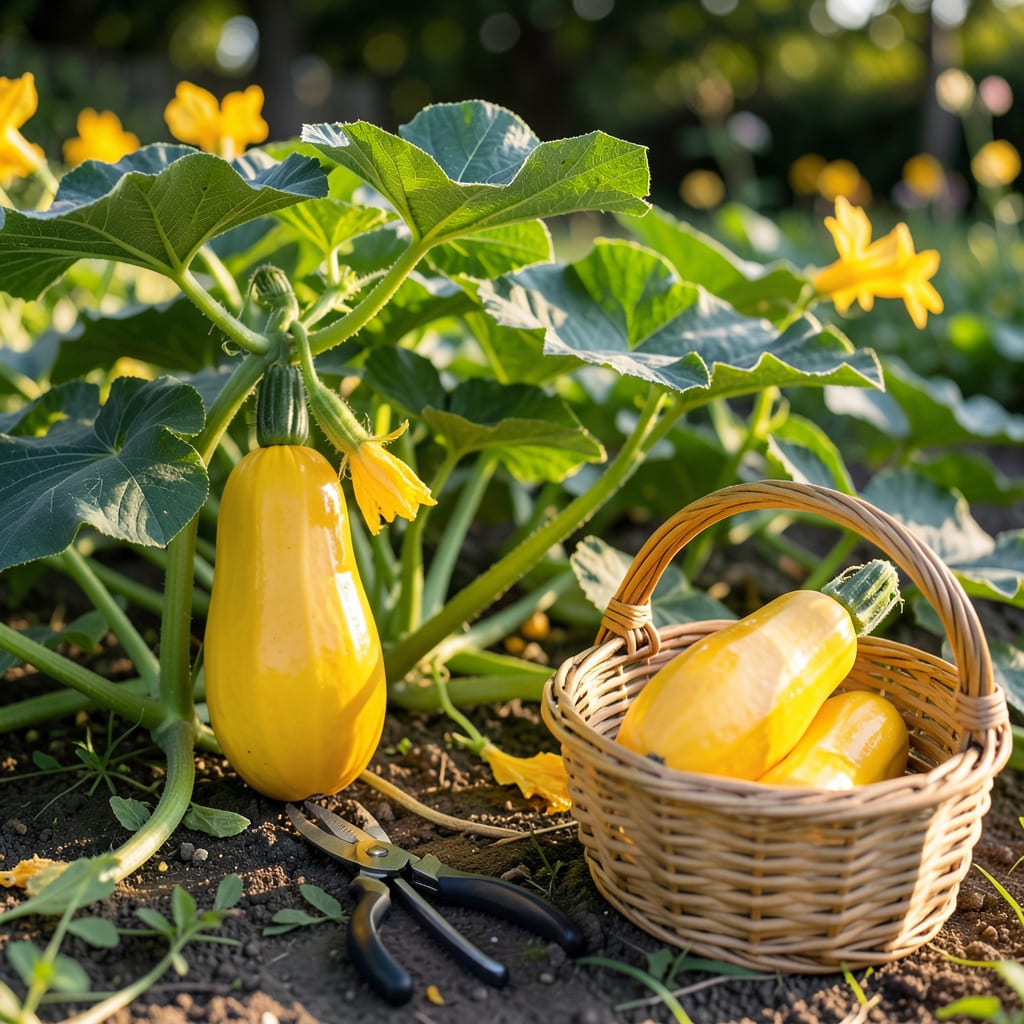
Nothing beats the taste of a perfectly ripe 🎃 Yellow Squash fresh from your garden. But pick it too soon or too late, and you’ll miss that ideal flavor and texture.
I’ll show you the key signs to look for—size, color, and skin texture—that guarantee your harvest is ready. Let’s make sure every squash you pick is just right.


Harvesting yellow squash at the right time ensures the best flavor and texture. I always look for a few key indicators to confirm ripeness. The size is the first clue—most varieties are ready at 4-6 inches long.
Another telltale sign is the skin color. A ripe yellow squash will have a bright, glossy yellow hue. If it looks dull or pale, it’s not quite ready. I also check the skin firmness by gently pressing it—it should feel hard and smooth.
| Sign | Ready Indicator |
|---|---|
| Size | 4-6 inches long |
| Color | Bright, glossy yellow |
| Firmness | Hard and smooth |
| Stem | Soft and pliable |
The stem condition is another critical factor. A ripe squash will have a soft, pliable stem. If the stem is hard or woody, the squash is likely overripe. I also check if the fruit separates easily from the vine with a gentle twist.
For straightneck varieties, the neck should be firm and straight. Crookneck squash will have a slight curve but maintain a consistent thickness. Both types should feel heavy for their size, indicating juicy flesh inside.
I always recommend harvesting in the early morning when the plants are most hydrated. This helps preserve the squash’s moisture content. Using a sharp knife or pruners, I cut the stem about 1 inch above the fruit to avoid damaging the plant.
If you notice the skin is dull or the fruit feels soft, it’s a sign the squash is past its prime. Overripe squash can develop tough seeds and a stringy texture, which affects both taste and usability in dishes.
For the best results, I suggest checking your plants daily during the peak growing season. Yellow squash can grow rapidly, and missing the optimal window by even a day or two can impact quality.
Another useful tip is to look at the blossom end of the squash. If it’s still slightly soft and the flower remnants are fresh, it’s a good indication the fruit is ready. As the squash matures, this end will harden.
Consistency is key. I find that regular harvesting encourages the plant to produce more fruit. If you leave overripe squash on the vine, it signals the plant to stop producing, reducing your overall yield.
Even experienced gardeners can make mistakes when harvesting yellow squash. One of the most common is waiting too long to pick. Overripe squash develops tough seeds and stringy flesh.
Another frequent error is picking too early. If the squash is still small or the skin is dull, it hasn’t reached its full flavor potential. I always check the skin texture—it should be firm, not soft or spongy.
⚠️ Warning: Hard or woody stems mean your squash is past its prime. Dull skin or soft spots indicate it’s either underripe or overripe. Always test by gently pressing the skin—it should feel firm and smooth.
I see many gardeners ignoring the stem condition. A ripe squash will have a soft, pliable stem. If it’s hard or brittle, the fruit is likely overmature. This impacts both taste and texture significantly.
Another mistake is not checking daily during peak season. Yellow squash grows quickly, and missing the optimal window by even a day can mean the difference between perfect and mediocre. I make it a habit to inspect my plants every morning.
Some gardeners also pull the squash instead of cutting it. This can damage the vine and reduce future yields. Always use a sharp knife or pruners to cut the stem cleanly, about 1 inch above the fruit.
Finally, don’t overlook the blossom end. If it’s still very soft or the flower remnants are fresh, the squash might need more time. As it matures, this end should firm up slightly but remain tender enough to pierce with a fingernail.
By avoiding these pitfalls, you’ll ensure every yellow squash you harvest is at its peak of perfection ✂️
Once you’ve picked your yellow squash, proper post-harvest care is essential to maintain freshness. I always start by gently brushing off any dirt or debris with my hands. Avoid washing with water until you’re ready to use it.
For short-term storage, keep your squash in the refrigerator in a perforated plastic bag. This helps maintain humidity while allowing airflow, keeping it fresh for up to 5 days.
For longer storage, I recommend freezing. First, slice the squash and blanch it in boiling water for 3 minutes, then cool in ice water. Pat dry and pack in airtight containers before freezing for up to 3 months.
Always inspect your squash daily while in storage. Look for soft spots, mold, or wrinkled skin—these are signs of spoilage. If you notice any of these, use the squash immediately or compost it.
Remember that freshly harvested squash has the best flavor and texture when used within a few days. For the tastiest results, I suggest incorporating it into meals soon after picking. This way, you’ll enjoy the fruits of your labor at their peak ✂️
Most varieties are ready at 4-6 inches long. Smaller than this often means it’s underripe, while larger can indicate overripeness with tough seeds.
Look for a hard, woody stem or dull skin. The fruit may also feel soft or have visible bulges from large seeds.
No, avoid washing until ready to use. Store unwashed in the fridge in a perforated bag for up to 5 days.
Early morning is ideal when plants are most hydrated. Use a sharp knife and cut 1 inch above the fruit.
