
Beautiful Plants For Your Interior
Beautiful Plants For Your Interior
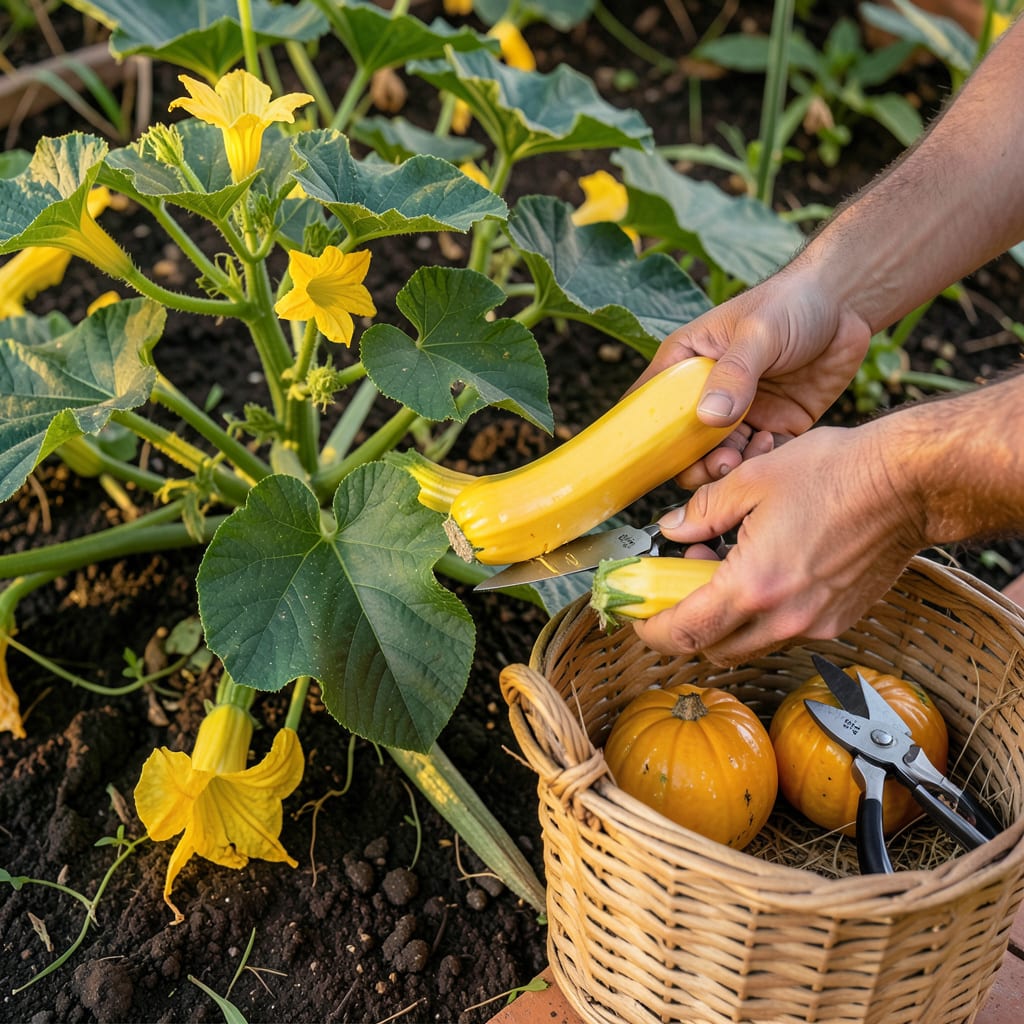
Nothing beats the taste of homegrown Summer Squash 🥒 picked at its peak. But how do you know when it’s just right?
I’ll show you the easy visual cues and timing tricks to harvest your crop when it’s most tender and flavorful. Let’s make sure you don’t miss that perfect window.


Timing is everything with summer squash. Picking too early means tiny, underdeveloped veggies, while waiting too long leads to tough, seedy monsters. I’ve learned the sweet spot is all in the details.
Look for firm, glossy skin and a bright, consistent color. The size matters too—most varieties are perfect at 6-8 inches long, though some types vary slightly.
| What to Look For | |
|---|---|
| Size | 4-6 inches for most varieties |
| Skin | Shiny and tender, punctures easily |
| Color | Bright and uniform for the variety |
| Stem | Soft and easy to cut with pruners |
| Seeds | Small and underdeveloped |
The thumbnail test is my go-to trick. Gently press your nail into the skin—if it leaves a mark, your squash is ready. This works because the skin softens as it ripens.
Don’t ignore the stem condition. A fresh, green stem means the squash is still actively growing. If it starts to look dry or woody, you’ve likely waited too long.
For zucchini and yellow squash, the ideal length is often 6-8 inches, but pattypan types are best when they’re 3-4 inches in diameter. Always check your seed packet for specifics.
I’ve found that morning harvesting gives the best texture. The squash is crisp and full of moisture after a cool night. Plus, it’s easier on the plant when temperatures are lower.
Watch for rapid growth during warm weather. In peak summer, I check my plants daily because squash can double in size overnight. Missing just one day can mean the difference between tender and tough.
If you’re unsure, harvest a test squash. Slice it open to check the seed size—they should be tiny and barely formed. Large, hard seeds mean it’s overripe.
Remember, the more you harvest, the more your plant will produce. Regular picking encourages new fruit development, extending your harvest season by weeks. 🌱
Consistent harvesting keeps your summer squash plants productive. I check mine every morning during peak season, as these fast growers can go from perfect to oversized in just 24-48 hours.
The best time to pick is early morning when temperatures are cool. This helps preserve the squash’s crisp texture and reduces stress on the plant. Plus, it’s more comfortable for you too!
As your plants mature, their production rate increases. I’ve noticed my established plants can produce 2-3 squash per day in midsummer, so frequent harvesting becomes essential.
For container-grown squash, the growth rate may be slightly slower, but still requires regular checking. The same size guidelines apply—harvest when they reach 6-8 inches for most varieties.
Remember, each time you harvest, you’re signaling the plant to produce more. This cycle of picking and regrowth can extend your harvest season by several weeks. I’ve kept my plants producing well into fall with this approach. 🌱
If you notice slower growth toward season’s end, you can reduce checking to every 2-3 days. But during those peak summer months, daily attention is your best bet for the tastiest, most tender squash. ☀️
Waiting too long to pick your summer squash can turn a tender treat into a tough disappointment. I’ve seen firsthand how quickly these veggies can go from perfect to overripe, and it’s not pretty.
Once squash grows beyond its ideal size, the skin hardens and the seeds enlarge, making it bitter and fibrous. The plant also shifts energy from producing new fruit to maturing the oversized ones.
An overripe squash can stunt future production. The plant may stop setting new fruit if it’s focused on maturing the existing oversized ones. This means fewer squash for you to enjoy later.
I’ve found that giant squash (over 12 inches) often develop a woody, inedible texture. Even the plant’s energy suffers, as it expends resources on seeds and tough skin instead of new growth.
To avoid this, I make it a habit to harvest young. Smaller squash not only taste better but also encourage the plant to keep producing. It’s a win-win for both flavor and yield. ✂️
Most varieties are best at 6-8 inches long. Pattypan types should be 3-4 inches in diameter. Use the thumbnail test: if it punctures the skin easily, it’s ready.
Overripe squash develops tough skin, large seeds, and a bitter flavor. The plant may also stop producing new fruit, reducing your overall yield.
Check daily during warm weather as squash can double in size in 24-48 hours. In cooler periods, every 2-3 days is sufficient.
Early morning is ideal when temperatures are cool. This preserves crisp texture and reduces plant stress.
