
Beautiful Plants For Your Interior
Beautiful Plants For Your Interior
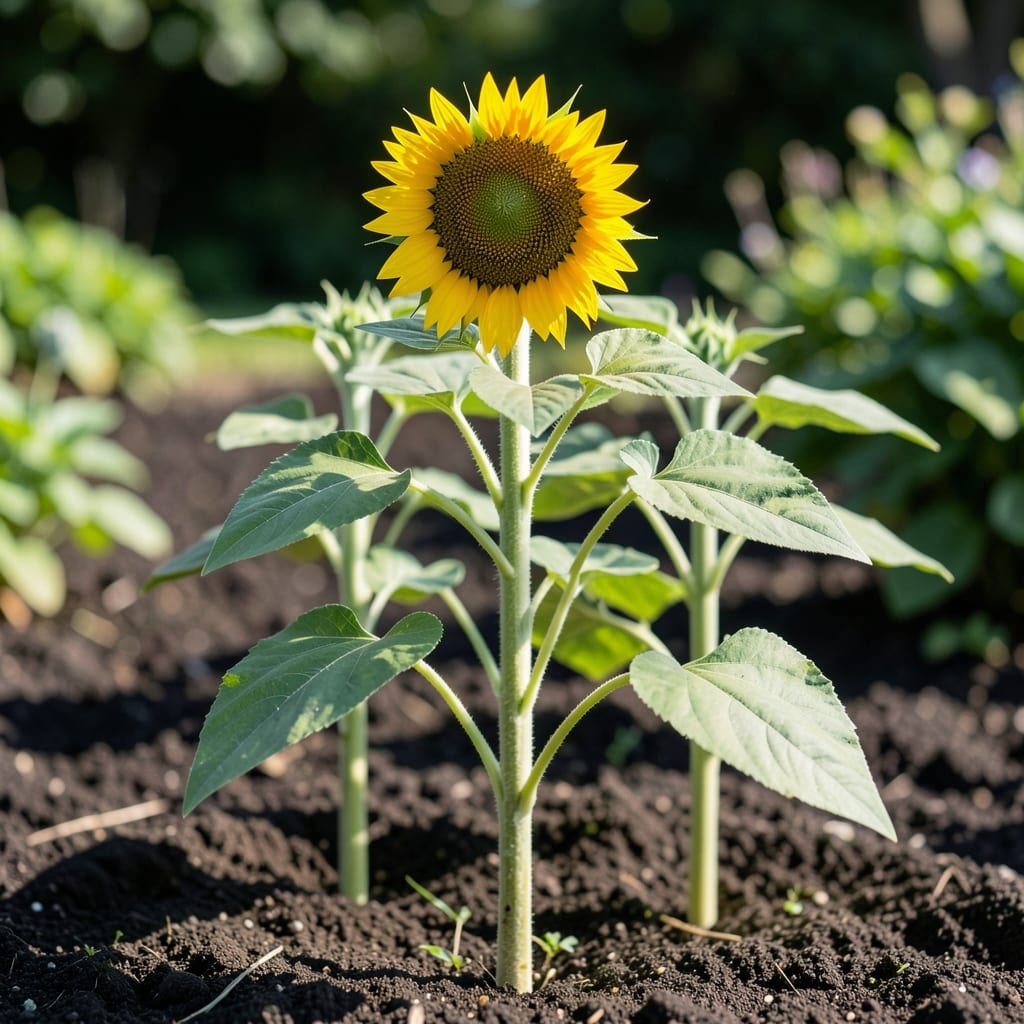
Early sunflower leaves often show yellowing, browning, or holes due to pests, overwatering, or nutrient deficiencies. Organic solutions like neem oil or compost can restore plant health quickly.
I’ve seen these leaf issues firsthand when conditions aren’t quite right. 🌟 Pests like aphids suck out sap while too much water suffocates roots, and both stress the plant in different ways. Adding a balanced fertilizer or improving drainage often solves the root cause before it spreads to the entire plant.
💡 In This Article
Young sunflower leaves often yellow when nitrogen levels dip too low, as this nutrient is critical for chlorophyll production. Without it, the plant can’t sustain its green pigment. Overwatering creates a similar effect by suffocating roots, which prevents them from absorbing nitrogen even when it’s present in the soil. 🌱
The brown spots and holes you see are frequently caused by pests like aphids and slugs. Aphids pierce leaf tissues to feed on sap, which can introduce diseases while slugs physically chew through the foliage.
A single slug can consume up to 40 times its body weight in leaves overnight, leaving irregular holes and silvery slime trails as evidence.
Nutrient deficiencies manifest in distinct patterns too. Potassium shortages cause leaf edges to brown and curl, while magnesium deficiency creates interveinal chlorosis—yellowing between the veins. These patterns help pinpoint exactly what your sunflowers need for recovery. ⚡
Environmental stressors play a role as well. Too much direct sunlight can scorch tender young leaves, creating crispy brown patches. Conversely, insufficient light leads to weak, leggy growth with pale leaves. Sunflowers need 6-8 hours of sunlight daily for optimal leaf health.
Soil pH also influences nutrient availability. When pH drops below 6.0, essential nutrients like phosphorus become less accessible to plants. Testing your soil can reveal these hidden imbalances before they visibly affect your sunflower leaves. ✨
Yellowing often signals nitrogen deficiency or overwatering. Nitrogen is vital for chlorophyll, and soggy roots can’t absorb it well. Test soil moisture 2 inches deep before watering again.
Look for chewed edges, holes, or silvery slime trails from slugs. Aphids leave sticky residue and curled leaves. Check undersides for tiny green or black insects.
Mix 1 tsp neem oil with 1 liter water and ½ tsp soap. Spray every 3-4 days until spots disappear. This targets fungi and pests safely.
Yes, intense afternoon sun can scorch tender leaves. Use shade cloth until plants mature. Sunflowers need 6-8 hours of light daily, but seedlings prefer gentler morning sun.
Apply 1 tbsp of balanced organic fertilizer weekly. For soil health, work in 1-2 inches of compost at planting. Avoid over-fertilizing, which can burn roots.