
Beautiful Plants For Your Interior
Beautiful Plants For Your Interior
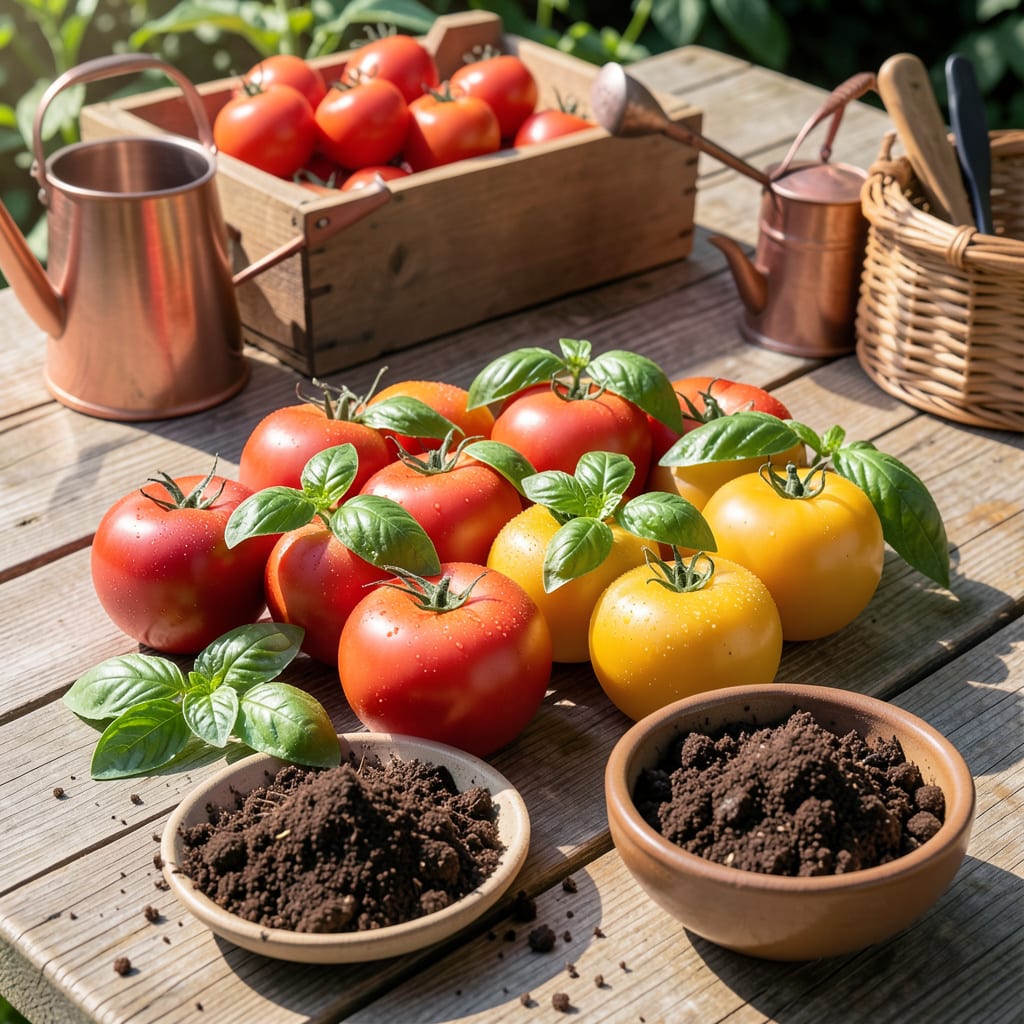
Nothing ruins a summer garden like watching your tomato plants rot from the bottom up. I’ve lost entire crops to blossom end rot and early blight, but the fixes are simpler than you’d think.
Most cases come from inconsistent watering, poor soil, or crowded plants trapping moisture. Once you spot those dark, sunken spots or brown patches on leaves, it’s time to act fast— but prevention starts before you even plant.
A little spacing, the right mulch, and 1-2 inches of water per week can stop rot in its tracks. Crop rotation helps too, breaking the cycle before it begins.
You’ll end up with stronger plants and a harvest that makes it to your table, not the compost pile.
Tomato rot doesn’t just happen by chance—it’s the result of specific environmental and biological triggers. Understanding these causes is the first step to keeping your plants healthy. Here’s what’s really going on:
Overwatering or heavy rainfall creates a waterlogged environment where fungal and bacterial pathogens thrive. Phytophthora infestans (late blight) and Alternaria solani (early blight) are common culprits that attack tomatoes when leaves stay wet for extended periods. Poor soil drainage compounds the problem, suffocating roots and making them vulnerable to root rot.
Soil-borne pathogens like Fusarium and Verticillium fungi can linger in the soil for years, infecting new plants. Similarly, unsterilized gardening tools can transfer spores from diseased plants to healthy ones. Even compost piles that haven’t reached high enough temperatures to kill pathogens can reintroduce rot-causing agents into your garden.
Tomatoes are sensitive to extreme conditions. High humidity (above 80%) combined with warm temperatures (75–85°F) creates the perfect breeding ground for fungal spores. Conversely, sudden temperature drops or prolonged cool, wet weather can stress plants, weakening their natural defenses against blossom end rot (caused by calcium deficiency) or soft rot (bacterial).
A lack of calcium or potassium in the soil disrupts cellular function in tomatoes, leading to disorders like blossom end rot. Excess nitrogen, on the other hand, promotes lush foliage at the expense of fruit development, making plants more susceptible to infections. Regular soil testing helps identify and correct these imbalances before they cause rot.
Insects like aphids, whiteflies, or tomato hornworms create entry points for pathogens when they chew leaves or stems. Even minor physical damage from pruning or hail can expose tomatoes to bacteria like Erwinia, which causes soft rot. Keeping pests in check reduces these vulnerabilities.
Once tomato rot appears, quick action is key. Below are targeted fixes for the most common causes, paired with prevention tips to keep your plants healthy long-term.
If your tomatoes sit in soggy soil, stop watering immediately and let the top 1-2 inches of soil dry out. Improve drainage by:
Prevention tip: 💡 Use a moisture meter to avoid guesswork, and always water at the base (not the leaves) to reduce fungal risks.
For early-stage rot (like early blight or anthracnose):
Prevention tip: ✨ Rotate crops yearly, and avoid overhead watering to keep foliage dry.
This bottom-rot issue is often fixed by:
Prevention tip: 🎯 Test your soil annually and amend with lime if calcium is low.
Insects (like stink bugs) or cracks from uneven growth can invite rot. Counter it by:
Prevention tip: 🌱 Plant companion herbs like basil or marigolds to deter pests naturally.
Water deeply at the base 1-2 inches per week in the morning. Avoid wetting leaves and use a moisture meter to prevent overwatering.
No—remove and replace the top 6 inches of soil. Pathogens linger, so rotate crops or solarize soil with clear plastic for 4-6 weeks before replanting.
Blossom end rot appears as dark, sunken spots on the fruit’s bottom. It’s caused by calcium deficiency, often from uneven watering. Soft rot feels mushy and smells foul.
Try a DIY spray: 1 tablespoon baking soda + 1 teaspoon dish soap per gallon of water. Apply weekly at first signs of trouble.
