
Beautiful Plants For Your Interior
Beautiful Plants For Your Interior
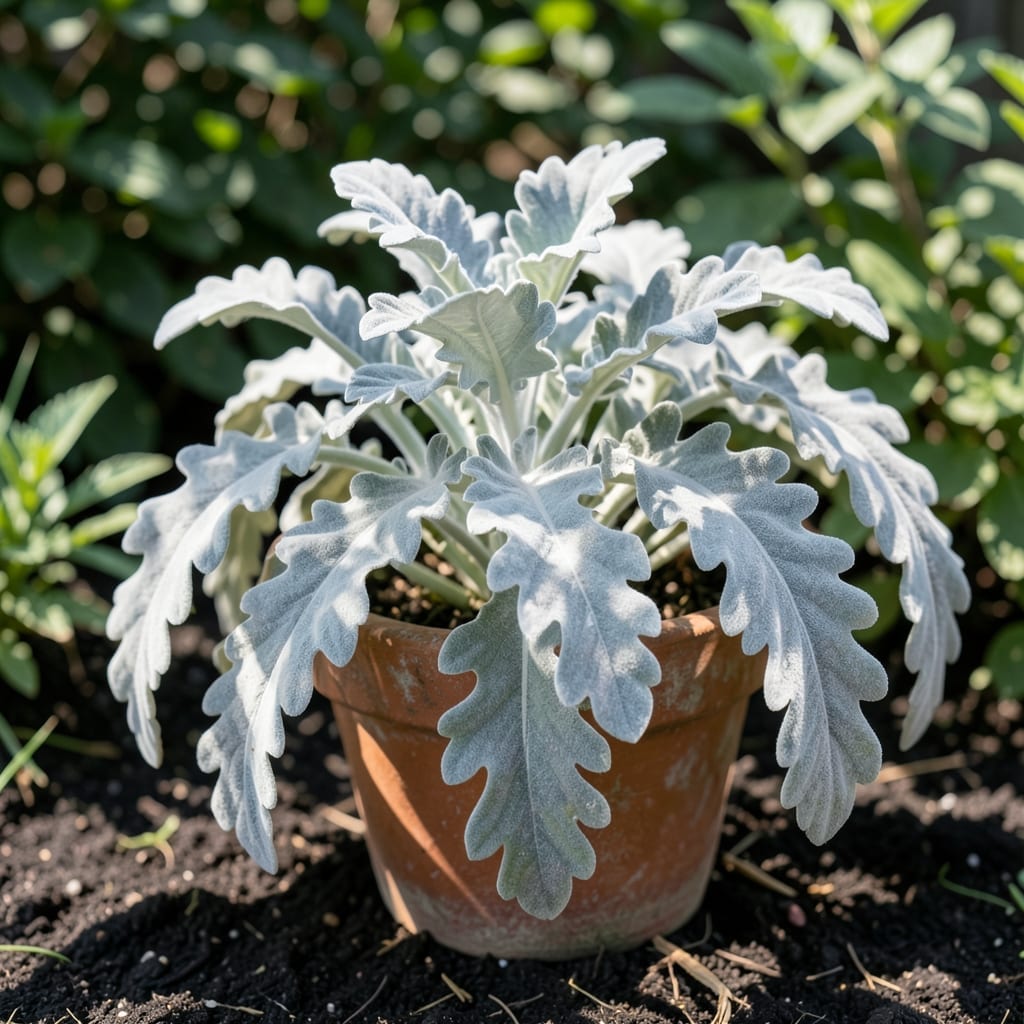
My dusty miller looked like it had given up last summer. 🌱 One morning, those silvery leaves that usually shine like moonlight were drooping like wet laundry. I panicked—until I figured out what was really going on.
Turns out, these tough plants have a few simple needs we often overlook. Too much water, not enough, or even the wrong kind of soil can send them into a slump. The good news? Most causes are easy to spot and even easier to fix.
Within 24-48 hours of adjusting care, you’ll often see those leaves perk back up. The transformation is shocking—like watching a plant take its first deep breath after holding it too long.
Works for container plants, garden beds, or that one stubborn silver mound that just won’t cooperate. Here’s how to bring it back to life.
Dusty Miller ( Senecio cineraria, often labeled as Jacobaea maritima) is prized for its silvery foliage, but drooping often signals stress. Here are the most common causes:
This drought-tolerant plant still needs consistent moisture. When the soil dries out completely, the leaves lose turgor pressure (the internal water pressure that keeps them rigid), causing them to droop. The roots can’t absorb enough water to maintain cell structure, leading to wilting.
Too much water suffocates the roots, preventing oxygen uptake. This triggers root rot, where pathogens like Phytophthora or Pythium attack the roots. As roots die, they fail to deliver water and nutrients, causing the plant to collapse. Clay soil or pots without drainage holes exacerbate this.
While Dusty Miller thrives in full sun, intense afternoon heat (especially above 90°F/32°C) can overwhelm the plant. Excessive transpiration (water loss through leaves) outpaces the roots’ ability to replenish it, leading to temporary wilting. Prolonged exposure may also scorch the foliage.
If grown in containers, Dusty Miller can become root-bound, restricting water and nutrient absorption. Similarly, compacted or nutrient-poor soil limits root expansion, reducing the plant’s ability to sustain itself. This often results in gradual drooping as the plant struggles to meet its needs.
Infestations by aphids, spider mites, or whiteflies sap the plant’s fluids, weakening its structure. Fungal diseases like powdery mildew can also clog stomata (leaf pores), disrupting gas exchange and leading to wilting. Inspect the undersides of leaves for pests or unusual spots.
If your dusty miller is looking sad and droopy, don’t worry—there are simple fixes to bring it back to life! Below are practical solutions for the most common causes, along with tips to keep your plant thriving.
Dusty miller prefers consistent moisture but hates soggy roots. If the soil feels dry 1-2 inches down, give it a deep watering at the base (avoid wetting the foliage). Water in the early morning to reduce evaporation. Prevention tip: 💡 Mulch around the plant to retain moisture.
Yellowing leaves or a foul smell? Your plant may be drowning. Stop watering immediately and let the soil dry out. If root rot is suspected, trim affected roots and repot in well-draining soil with perlite or sand. Prevention tip: ✨ Use pots with drainage holes and water only when the topsoil is dry.
While dusty miller loves sun, intense afternoon heat can cause wilting. Move potted plants to partial shade during peak hours. For garden plants, provide temporary shade with a shade cloth. Prevention tip: 🎯 Acclimate young plants to sunlight gradually.
High temperatures can stress the plant. Increase humidity by misting the leaves (avoid overdoing it) or place a tray of water nearby. Prevention tip: 🌡️ Plant in a spot with good air circulation to avoid heat buildup.
Check for aphids or spider mites under the leaves. Blast them off with water or apply neem oil or insecticidal soap. Prevention tip: 🔥 Keep the garden clean and inspect plants regularly.
With these fixes, your dusty miller should perk up in no time! Stay consistent with care, and enjoy its silvery beauty all season long.
Water deeply when the top 1-2 inches of soil feel dry. These plants prefer consistent moisture but hate soggy conditions. In hot weather, check daily and water in the early morning.
Yes, if the issue is temporary like heat stress or mild underwatering. With proper care adjustments, you’ll often see improvement within 24-48 hours. Severe cases like root rot may need more intervention.
Use well-draining soil mixed with perlite or sand. Avoid heavy clay or compacted soil that retains too much moisture. Container plants should always have drainage holes.
This is often heat stress from intense sun. While dusty miller loves sunlight, temperatures above 90°F can cause temporary wilting. Provide afternoon shade and ensure good air circulation.